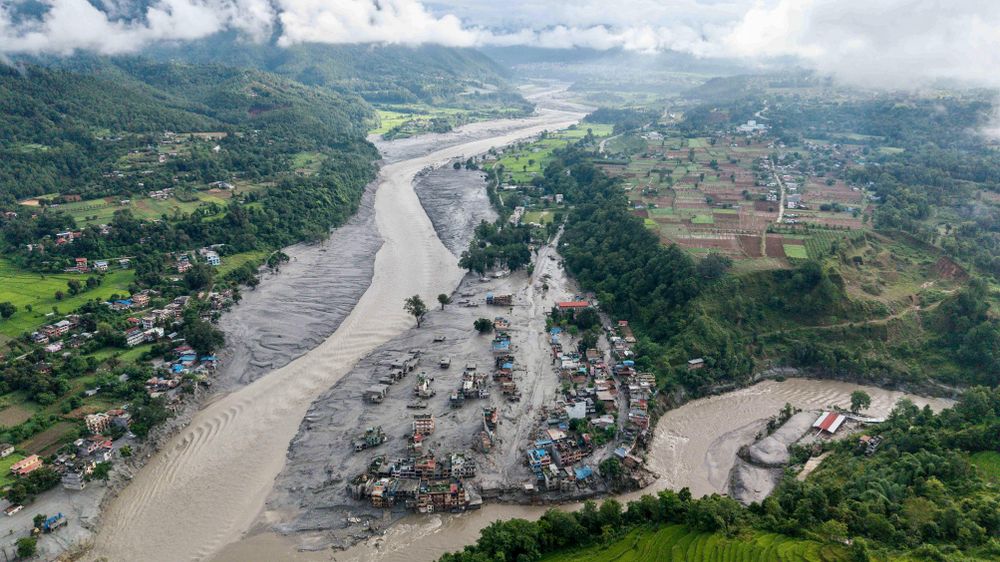
Scientists warn of deadly costs from glacier collapse
THE NEWS: More than 1,300 people were reported missing after a glacier collapsed at the Nepal border, with over 362...
Read moreDetailsEvery alert that matters — when it happens.
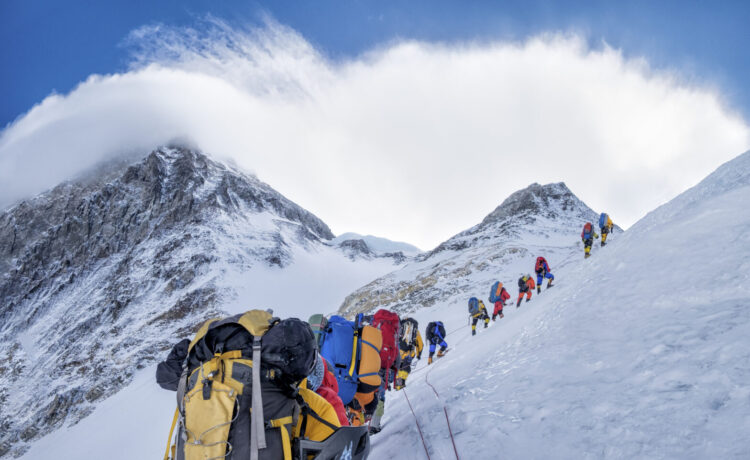
Nepal Fake Rescue Scam Draws Global Attention After Disputed Poisoning Claims
Comprehensive Summarization:
The article exposes a major investigation into Nepal’s mountain tourism industry, revealing a scheme involving staged rescues, falsified medical records, inflated hospital charges, and fraudulent insurance claims. The investigation, spanning from 2022 to 2025, implicated rescue companies, travel operators, and medical providers, with suspected losses reaching approximately $20 million. The Associated Press reported that this network of fraudulent activities has drawn global attention, prompting scrutiny of the industry’s practices. The poisoning allegations further fuel controversy, suggesting that some trekking guides may have intentionally made foreign climbers ill to justify costly helicopter evacuations. This scandal underscores the need for stricter regulations and oversight in the mountain tourism sector to prevent such fraudulent activities.
Key Points:
Actionable Takeaways:
Regulatory Oversight: Implement stricter regulations and oversight mechanisms in Nepal’s mountain tourism industry to prevent fraudulent activities. This includes enhanced monitoring of rescue operations, medical records, and insurance claims to ensure transparency and accountability.
Enhanced Training for Guides: Develop comprehensive training programs for trekking guides to ensure they adhere to ethical standards and prioritize the safety of climbers over financial gain. This can help mitigate the risk of intentional harm or exploitation of climbers for fraudulent purposes.
Insurance Reform: Review and reform insurance policies related to mountain tourism to include stricter verification processes for claims. This can help reduce fraudulent insurance claims and ensure that legitimate claims are processed efficiently, protecting both climbers and industry stakeholders.
Contextual Insights:
The investigation into Nepal’s mountain tourism industry highlights the growing concerns over fraudulent practices within the travel sector. As the industry continues to grow, with increasing numbers of adventurers seeking high-altitude experiences, the risk of fraudulent activities also rises. This scandal underscores the importance of maintaining high ethical standards and regulatory integrity in travel operations. The poisoning allegations further emphasize the need for robust safety protocols and thorough investigations into any claims of harm or exploitation. Moving forward, the travel industry must prioritize transparency, accountability, and innovation in technology and practices to build trust with consumers and protect against fraudulent activities. This includes leveraging technology for better monitoring and verification processes, as well as fostering a culture of integrity among industry professionals.
Read the Complete Article.
THE NEWS: More than 1,300 people were reported missing after a glacier collapsed at the Nepal border, with over 362...
Read moreDetails

Experience the magic of the Nile aboard Kenzy Dahabeya, a luxury boutique sailing cruise that offers an unforgettable journey between...
Read moreDetails