












Comprehensive Summarization:
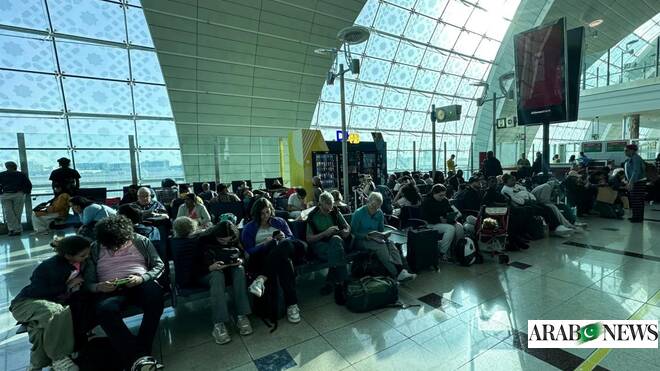
Dubai International Airport (DXB) is set to handle approximately 99.5 million passengers in 2026, according to Dubai Airports, marking a significant milestone as it surpassed 95.2 million passengers in 2025, a 3.1% increase from the previous year. This growth is attributed to strengthening demand across several major markets, positioning DXB as the world’s busiest travel hub. The article highlights the importance of Dubai Airports’ forecasts in anticipating passenger volumes and underscores the role of travel trends and insights in shaping the industry’s future.
Key Points:
- Dubai International Airport (DXB) is projected to handle 99.5 million passengers in 2026, up from 95.2 million in 2025.
- The growth in passenger numbers is driven by increasing demand across major markets.
- DXB remains the world’s busiest travel hub, reflecting its critical role in global air travel.
Actionable Takeaways:
-
Forecasting Passenger Volumes: The accurate forecasting of passenger volumes by Dubai Airports can aid airlines and airport authorities in optimizing operations, enhancing passenger experience, and planning infrastructure expansions. This predictive capability is crucial for maintaining operational efficiency and meeting growing demand.
-
Market Demand Trends: The increase in passenger numbers across major markets like India, Saudi Arabia, and Britain indicates a robust growth trend in international travel. Travel companies and service providers can leverage this trend to expand their services, develop new routes, and cater to the rising demand, thereby capitalizing on the expanding market opportunities.
Contextual Insights:
The article reflects the ongoing expansion and adaptation of the travel industry in response to global demand. With DXB continuing to set records, it underscores the importance of robust infrastructure and efficient operations in the aviation sector. The focus on passenger volume forecasts aligns with broader industry trends towards data-driven decision-making, emphasizing the role of technology and analytics in shaping travel strategies. Furthermore, the article’s emphasis on major markets like India, Saudi Arabia, and Britain highlights the global nature of travel demand, suggesting that travel companies should diversify their offerings to tap into these burgeoning markets. This context is vital for stakeholders in the travel industry, including startups, fintech innovators, and service providers, as they navigate the evolving landscape of air travel and seek to align their strategies with emerging trends.
Read the Complete Article.



