












Comprehensive Summarization:
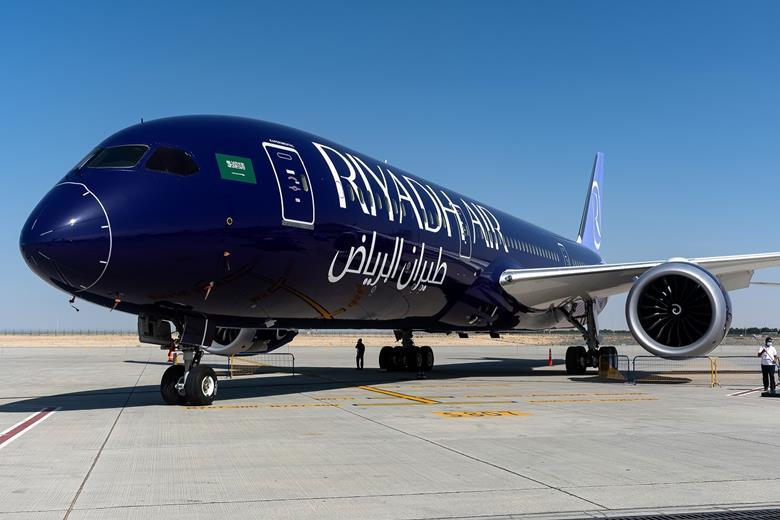
Riyadh Air, a passenger-focused airline, has begun utilizing the belly-hold capacity of its aircraft for freight transport under the Riyadh Cargo label. This shift marks a strategic move by the airline to integrate into the air freight market, allowing it to monetize its existing fleet and infrastructure. The development signifies a practical first step into the cargo business, reflecting a broader trend of airlines diversifying their revenue streams beyond passenger services. This move is particularly noteworthy in the context of evolving travel trends, where airlines are increasingly exploring new revenue models to sustain growth and profitability in a competitive market.
Key Points:
- Riyadh Air has started carrying freight using the belly-hold space on its passenger flights, under the Riyadh Cargo label.
- This shift represents a strategic move by the airline to integrate into the air freight market, leveraging its existing fleet and infrastructure.
- The development allows Riyadh Air to monetize its capacity beyond passenger services, marking a practical first step into the cargo business.
- The article highlights the airline’s move as part of broader industry trends where airlines are diversifying revenue streams to sustain growth and profitability.
Actionable Takeaways:
-
Revenue Diversification: Airlines like Riyadh Air are increasingly exploring freight services to diversify their revenue streams. This move can serve as a model for other airlines looking to enhance profitability and sustainability in a competitive market. By monetizing underutilized capacity, airlines can improve their financial resilience and adapt to changing market demands.
-
Strategic Fleet Utilization: The integration of cargo operations into existing passenger fleets demonstrates the importance of strategic fleet utilization. Airlines can optimize their operations by leveraging existing assets for additional revenue, reducing the need for significant capital investment in new assets. This approach can be particularly beneficial for smaller airlines or those looking to expand their service offerings without substantial upfront costs.
Contextual Insights:
The shift by Riyadh Air into the air freight market reflects a broader industry trend where airlines are seeking new revenue models to sustain growth and profitability. Recent developments in travel tech and logistics have made it more feasible for airlines to integrate cargo operations, driven by advancements in supply chain management and the growing demand for efficient freight solutions. Thought leaders in the travel industry emphasize the importance of diversification and innovation in maintaining competitive advantage. Riyadh Air’s initiative aligns with these insights, showcasing how airlines can adapt to evolving market conditions by leveraging their existing infrastructure. This move also underscores the potential for startups and fintech solutions to support airlines in optimizing their operations and expanding their service offerings, further emphasizing the interconnected nature of travel tech, startups, and traditional aviation sectors.
Read the Complete Article.


