























Travel Capitalist Ventures Expands Check Size to $10 Million to Deepen Emerging Market Conviction
Boutique Travel VC raises investment cap from $1.5M to $10M to lead rounds and support portfolio companies through growth Travel...
Read moreDetails

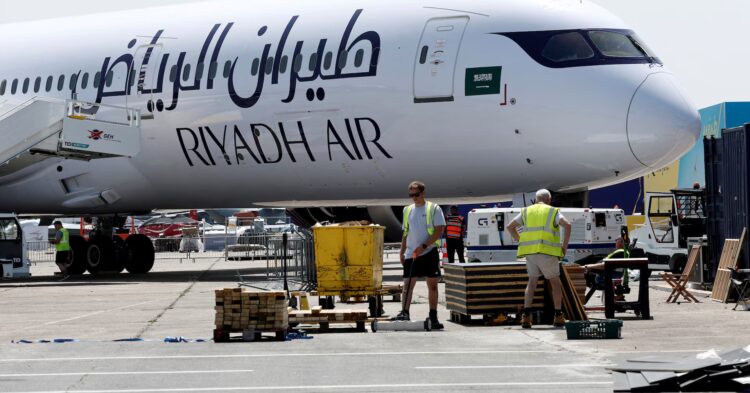
Saudi Arabia's Riyadh Air launches cargo operations
Comprehensive Summarization:
Riyadh Air, a subsidiary owned by Saudi Arabia’s Public Investment Fund (PIF), has launched Riyadh Cargo operations. This move is part of Saudi Arabia’s broader Vision 2030 plan, which aims to diversify the economy, reduce dependence on oil revenue, and establish the kingdom as a global logistics hub. The article highlights the strategic importance of this development in the context of Saudi Arabia’s Vision 2030, emphasizing the kingdom’s efforts to diversify its economy and reduce reliance on oil.
Key Points:
Actionable Takeaways:
Economic Diversification: Riyadh Air’s launch of Riyadh Cargo operations is a strategic move towards achieving Saudi Arabia’s Vision 2030 goals. This initiative could potentially open new avenues for investment and job creation in the logistics and cargo sectors, contributing to the diversification of the Saudi economy away from oil dependency.
Global Logistics Hub Potential: By establishing a cargo operation in Riyadh, Riyadh Air is positioning itself as a potential player in the global logistics market. This could attract other logistics companies and startups to the region, fostering innovation and growth in the travel and logistics tech sectors.
Contextual Insights:
The launch of Riyadh Cargo operations by Riyadh Air is a significant development in the context of Saudi Arabia’s Vision 2030 plan. It underscores the kingdom’s commitment to diversifying its economy and reducing its reliance on oil revenue. The move also aligns with the broader trend of countries seeking to establish themselves as global logistics hubs, driven by the need for economic diversification and resilience against oil price volatility. From a travel tech perspective, this development could stimulate innovation in logistics and supply chain management technologies, benefiting startups and established players alike. The article also reflects the increasing importance of logistics and cargo operations in the travel industry, as airlines and travel companies seek to optimize their supply chains and improve operational efficiency.
Read the Complete Article.
Boutique Travel VC raises investment cap from $1.5M to $10M to lead rounds and support portfolio companies through growth Travel...
Read moreDetails




