




















Travel Capitalist Ventures Expands Check Size to $10 Million to Deepen Emerging Market Conviction
Boutique Travel VC raises investment cap from $1.5M to $10M to lead rounds and support portfolio companies through growth Travel...
Read moreDetails


Thai Lion Air Boosts Taipei–Japan Capacity for Summer 2026
Comprehensive Summarization:
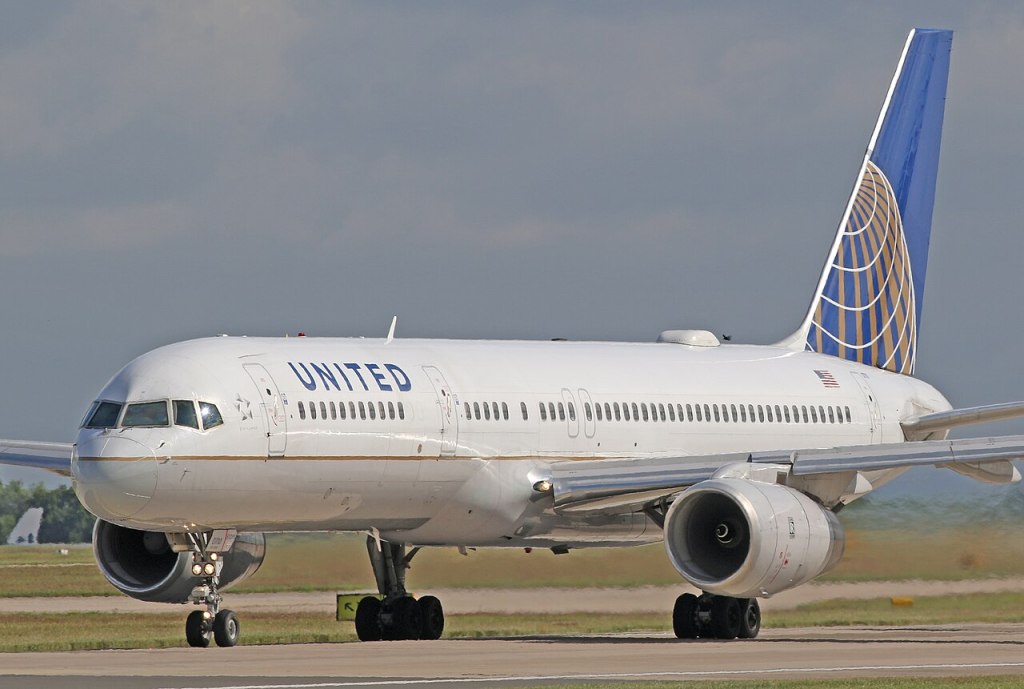
Thai Lion Air has announced plans to operate all its Taipei and Japan-linked services using higher-capacity Boeing 737-900ER aircraft during the Northern Summer 2026 season. This shift signifies a strategic adjustment in available seating, moving from mixed operations with smaller aircraft to a uniform deployment of the 215-seat variant. The transition aims to enhance the airline’s capacity and efficiency across key leisure corridors, reflecting a broader trend in the travel industry towards leveraging advanced aircraft technology to meet growing demand and improve passenger experience.
Key Points:
Actionable Takeaways:
Increased Capacity and Efficiency: Thai Lion Air’s shift to Boeing 737-900ER aircraft will likely lead to higher passenger capacity and improved operational efficiency. This could result in more competitive pricing and expanded route options for leisure travelers, making it an attractive option for airlines looking to optimize their fleet and meet rising demand.
Industry Trend Towards Advanced Aircraft: The adoption of the Boeing 737-900ER by Thai Lion Air highlights a growing industry trend towards investing in larger, more efficient aircraft. This trend is driven by the need to accommodate increasing passenger numbers and improve fuel efficiency, aligning with broader sustainability goals in the aviation sector.
Contextual Insights:
The article’s context is rooted in the ongoing evolution of the travel industry, particularly in the Asia-Pacific region, where airlines are increasingly adopting advanced aircraft to meet growing demand and enhance service quality. The shift to Boeing 737-900ER aircraft by Thai Lion Air is indicative of a broader industry trend, where airlines are leveraging technology and innovation to stay competitive. This move aligns with the latest travel trends, such as the emphasis on passenger comfort and operational efficiency, and underscores the importance of strategic fleet management in navigating the challenges of modern air travel. As the industry continues to evolve, such strategic adjustments will play a crucial role in shaping future travel experiences and market dynamics.
Read the Complete Article.
Boutique Travel VC raises investment cap from $1.5M to $10M to lead rounds and support portfolio companies through growth Travel...
Read moreDetails




