













Article Summary:
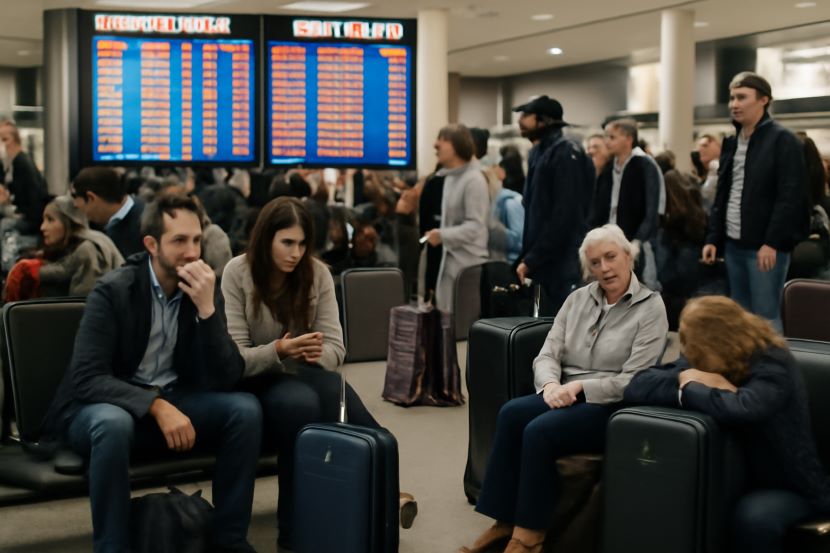
The article reports on significant travel disruptions affecting thousands of passengers across major U.S. cities, including Minneapolis, Toronto, Washington, San Francisco, and Houston. Major airlines such as Republic Airlines, Delta Airlines, United Airlines, Air Canada, and SkyWest are experiencing a high volume of cancellations (220) and delays (653), leading to widespread travel chaos. The article highlights the challenges faced by the travel industry in managing such disruptions and the impact on thousands of travelers.
Key Points:
- Travel Disruptions: Major airlines are reporting 220 cancellations and 653 delays, causing significant travel chaos across several U.S. cities.
- Affected Cities: The disruptions are particularly severe in Minneapolis, Toronto, Washington, San Francisco, and Houston, stranding thousands of travelers.
- Airlines Involved: The affected airlines include Republic Airlines, Delta Airlines, United Airlines, Air Canada, and SkyWest.
- Impact on Travelers: The article emphasizes the widespread impact on thousands of travelers, highlighting the challenges faced by the travel industry in managing such large-scale disruptions.
Actionable Takeaways:
- Enhanced Communication Strategies: Airlines should improve communication with passengers regarding flight status updates to mitigate the impact of cancellations and delays. This can help manage traveler expectations and reduce stress during travel disruptions.
- Investment in Technology: The travel industry should invest in advanced technology solutions for real-time flight tracking and passenger notifications. This can enhance operational efficiency and improve the overall travel experience by providing passengers with timely and accurate information.
- Focus on Customer Support: Airlines should prioritize customer support to assist stranded travelers with rebooking, refunds, and alternative travel arrangements. Efficient customer support can significantly enhance customer satisfaction and loyalty during challenging travel periods.
Contextual Insights:
The article reflects the ongoing challenges faced by the travel industry in managing large-scale disruptions caused by airline operational issues. The current context is marked by increased volatility in air travel, driven by factors such as weather conditions, labor disputes, and other unforeseen events. This situation underscores the importance of robust contingency planning and the adoption of innovative technologies to enhance operational resilience. Forward-looking insights suggest that the industry must continue to innovate in areas such as digital communication, real-time tracking, and customer support to adapt to and recover from such disruptions effectively. The emphasis on these areas aligns with current industry trends, where technology and customer-centric approaches are becoming increasingly critical for maintaining competitiveness and ensuring customer satisfaction in the face of travel uncertainties.
Read the Complete Article.



