












Article Summary:
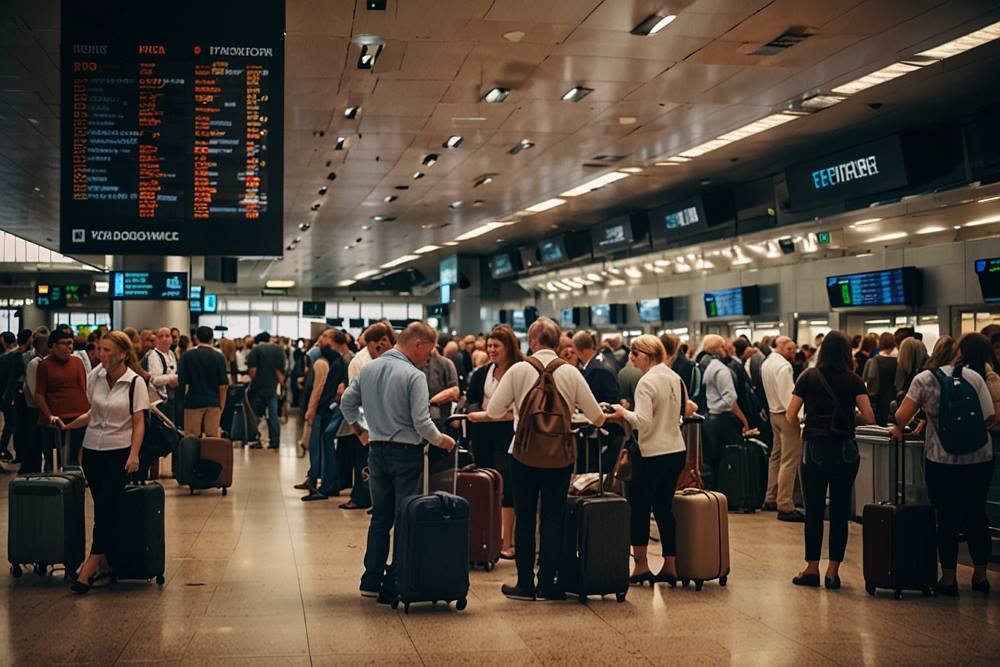
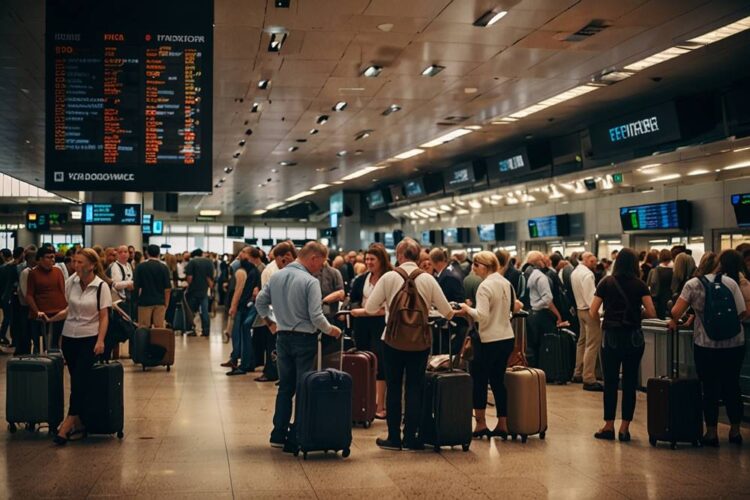
Travel chaos has gripped the United States today, with major airlines such as United, SkyWest, Hawaiian, Mesa, and others facing a significant number of cancellations and delays. A total of 42 flights were canceled, and there were 1,871 delays across various airports including Newark, Minneapolis, Duluth, Fort Wayne, Dallas, and Nashville. The article provides a snapshot of the current travel disruptions and their impact on the U.S. travel industry.
Key Points:
- Airlines Affected: United, SkyWest, Hawaiian, Mesa, and other major airlines are experiencing a high number of cancellations and delays.
- Extent of Disruptions: There are 42 cancellations and 1,871 delays reported across multiple U.S. airports.
- Geographical Impact: The disruptions are widespread, affecting major hubs such as Newark, Minneapolis, Duluth, Fort Wayne, Dallas, and Nashville.
- Publication Date: The article was published on November 29, 2025, indicating recent travel disruptions.
Actionable Takeaways:
- Enhanced Communication Strategies: Airlines should improve communication with passengers regarding cancellations and delays to manage expectations and reduce customer dissatisfaction. This is crucial as effective communication can mitigate the negative impact of travel disruptions.
- Focus on Technology Integration: The article highlights the challenges faced by airlines, suggesting that investing in advanced travel tech solutions could help streamline operations and reduce future disruptions. This aligns with current industry trends towards digital transformation in travel.
- Customer Service Improvement: Given the high number of delays, airlines should prioritize enhancing customer service to address passenger concerns promptly. This could involve training staff to handle such situations more effectively and providing real-time updates to passengers.
Contextual Insights:
The disruptions in U.S. air travel today reflect broader challenges faced by the global travel industry, including operational inefficiencies and the impact of external factors such as weather and regulatory changes. The article underscores the importance of leveraging technology and improving customer service to navigate such crises. As the travel industry continues to evolve, integrating innovative solutions and maintaining high service standards will be key to recovery and future resilience. Thought leaders emphasize that the ability to adapt quickly to disruptions and maintain transparency with customers will set successful airlines apart in the competitive landscape.
Read the Complete Article.



