












Article Summary:
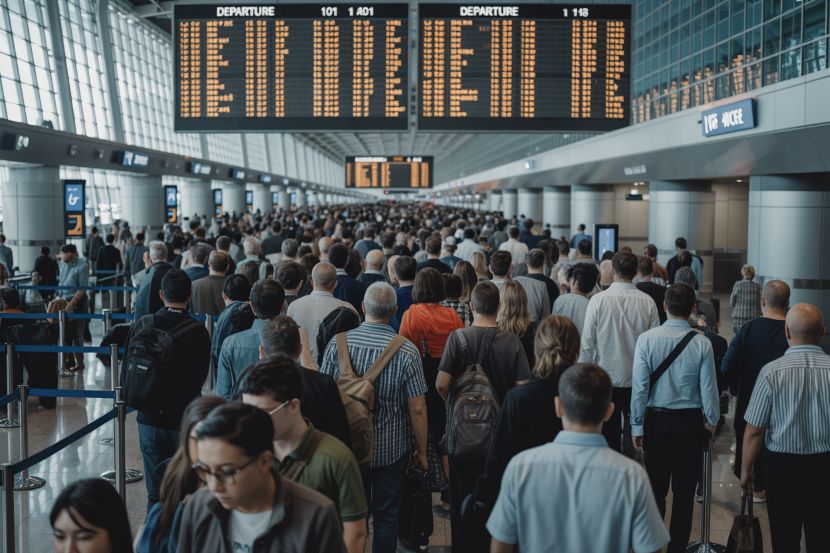
On December 21, 2025, severe weather disruptions caused SkyWest Airlines, United Airlines, and Volaris to cancel 45 flights and delay 1,349 flights across the US, Mexico, and Australia. This disruption stranded numerous passengers, highlighting the vulnerabilities in the travel industry’s response to severe weather conditions. The article underscores the challenges faced by airlines in managing operational disruptions and the broader implications for passenger experience and industry resilience.
Key Points:
- Severe weather conditions led to significant flight cancellations and delays, affecting travelers in the US, Mexico, and Australia.
- SkyWest Airlines, United Airlines, and Volaris were among the airlines most impacted by the disruptions.
- The article emphasizes the operational challenges airlines face in managing severe weather disruptions and their impact on passenger travel.
Actionable Takeaways:
- Enhanced Weather Monitoring Systems: Airlines should invest in advanced weather monitoring and predictive analytics systems to better anticipate and mitigate the impacts of severe weather on flight operations. This could reduce the frequency of cancellations and delays, improving passenger experience and operational efficiency.
- Flexible Passenger Policies: Implementing more flexible policies for passengers affected by flight disruptions, such as easier rebooking options and compensation for delays, can enhance customer satisfaction and loyalty. This approach aligns with current industry trends towards customer-centric services.
- Collaborative Resilience Strategies: Airlines should collaborate more closely with airports and other stakeholders to develop comprehensive resilience strategies for severe weather events. This could include shared resources for ground operations and coordinated communication with passengers, fostering a more resilient travel ecosystem.
Contextual Insights:
The article reflects the ongoing challenges faced by the travel industry in managing disruptions caused by severe weather. Recent events have highlighted the need for airlines to invest in technology and operational strategies that enhance resilience. The integration of real-time weather data and predictive analytics can provide airlines with the insights needed to proactively manage flight schedules and minimize disruptions. Furthermore, the emphasis on flexible passenger policies aligns with broader industry trends towards enhancing customer experience during disruptions. As the travel industry continues to evolve, the ability to adapt to severe weather disruptions will be crucial for maintaining operational efficiency and passenger satisfaction.
Read the Complete Article.



