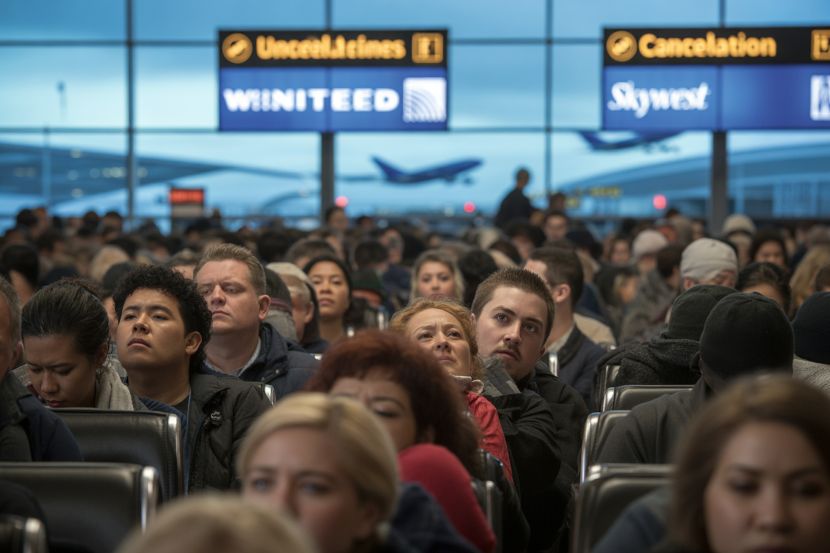














Article Summary:
The article reports on significant disruptions in North American air travel, with United Airlines, WestJet, and SkyWest canceling 49 flights and delaying 51 others across the region. This disruption affects both US and Canadian passengers, highlighting the vulnerability of the airline industry to unpredictable weather patterns. The article underscores the ongoing challenges faced by airlines in managing operational disruptions and the broader implications for travelers’ experiences.
Key Points:
- Flight Disruptions: United Airlines, WestJet, and SkyWest have collectively canceled 49 flights and delayed 51 others across North America, impacting both domestic and international travelers.
- Impact on Travelers: The disruptions affect a large number of passengers, causing significant inconvenience and frustration, particularly in regions where weather conditions are unpredictable.
- Industry Context: The article emphasizes the recurring issue of weather-related flight disruptions, a common challenge faced by airlines globally, and highlights the need for improved operational resilience.
Actionable Takeaways:
-
Enhanced Weather Monitoring Systems: Airlines should invest in advanced weather monitoring and predictive analytics systems to better anticipate and mitigate the impacts of adverse weather conditions on flight schedules. This proactive approach can reduce the frequency of cancellations and delays, improving passenger satisfaction and operational efficiency.
-
Flexible Passenger Policies: Implementing more flexible policies for passengers affected by flight disruptions, such as easier rebooking options or compensation for inconveniences, can help maintain customer loyalty and trust. This aligns with industry trends towards customer-centric services and can differentiate airlines in a competitive market.
-
Collaborative Network Resilience: Airlines should strengthen their network resilience by forming stronger partnerships with other carriers and ground service providers. This collaboration can facilitate the reallocation of resources and passengers during disruptions, minimizing the overall impact on the travel experience.
Contextual Insights:
The disruptions reported in the article are reflective of broader challenges faced by the airline industry, particularly in regions prone to severe weather conditions. Recent trends indicate an increased focus on technological innovations to enhance operational efficiency and passenger experience. For instance, the integration of AI-driven predictive analytics and real-time communication systems can significantly improve how airlines manage and communicate about flight disruptions. Additionally, the growing emphasis on sustainability and eco-friendly practices within the travel sector suggests that airlines may also need to consider the environmental impact of their operations, potentially leading to innovations in fuel-efficient aircraft and carbon offset programs. These insights underscore the importance of adaptability and innovation in navigating the evolving landscape of air travel.
Read the Complete Article.



