












Comprehensive Summarization:
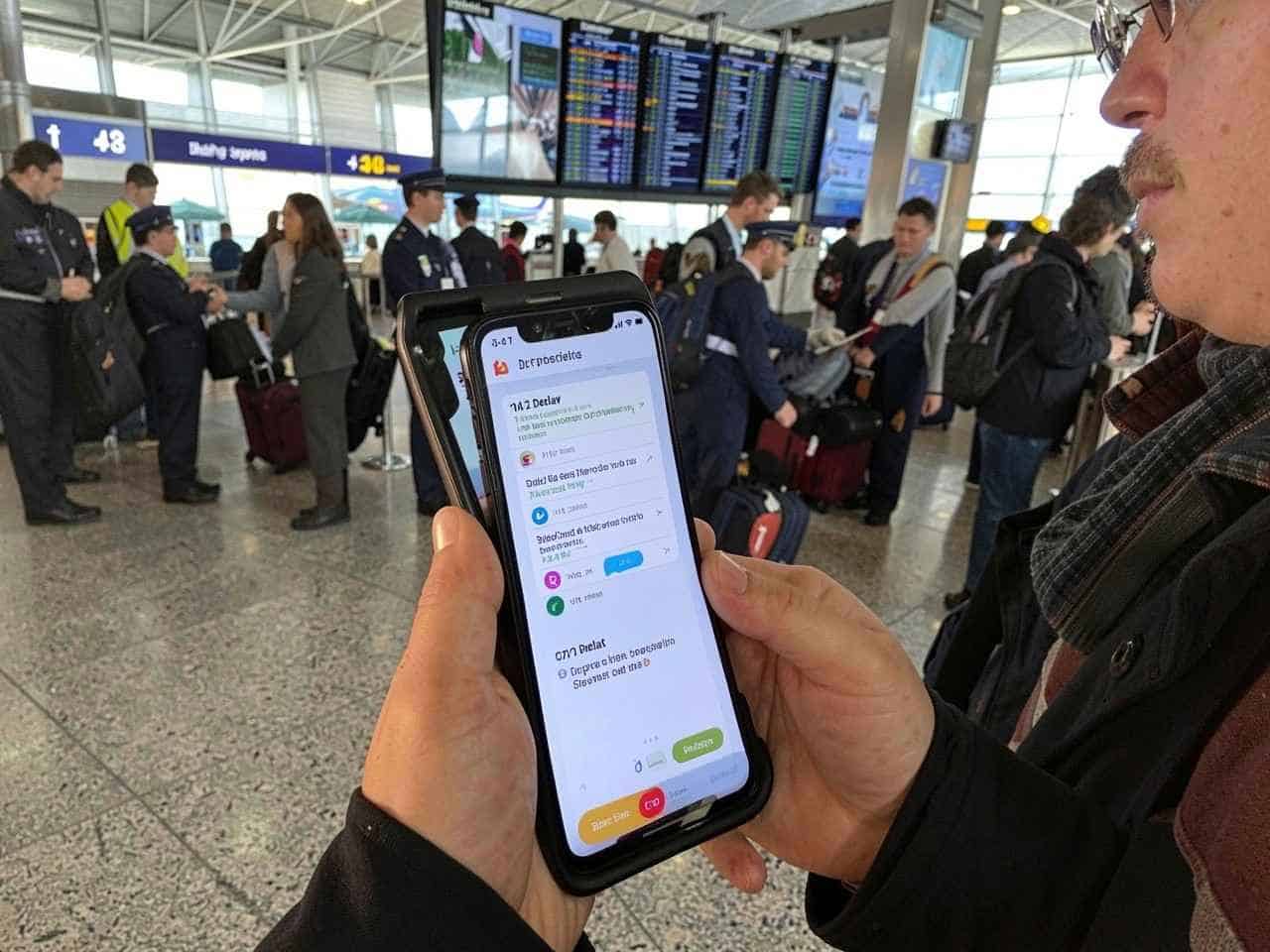
The article highlights the significant impact of a surge in flight cancellations and delays on major airlines such as Air France, United Airlines, and Qatar Airways in 2026. This disruption is attributed to geopolitical tensions and staffing issues, causing considerable challenges for the global aviation sector. The article underscores the role of flight tracking apps as a game-changer in navigating these disruptions, offering real-time updates and alternative routing options to passengers. It emphasizes the importance of adaptability and technological solutions in maintaining operational efficiency and passenger satisfaction amidst such disruptions.
Key Points:
- Air France, United Airlines, and Qatar Airways are experiencing unprecedented flight cancellations and delays in 2026 due to geopolitical tensions and staffing issues.
- The disruptions highlight the vulnerabilities in the global aviation sector, particularly in staffing and geopolitical stability.
- Flight tracking apps are emerging as a critical tool for managing these disruptions, providing real-time updates and alternative routing options to mitigate passenger inconvenience.
- The article emphasizes the need for airlines to adopt innovative solutions, such as advanced tracking technologies, to enhance operational resilience and passenger experience.
Actionable Takeaways:
-
Adopt Advanced Flight Tracking Technologies: Airlines should invest in and integrate advanced flight tracking apps to provide real-time updates and alternative routing options to passengers. This not only helps in managing disruptions more effectively but also enhances passenger trust and satisfaction by keeping them informed and offering viable alternatives.
-
Focus on Staffing and Geopolitical Risk Management: Airlines need to develop robust strategies for managing staffing shortages and geopolitical risks. This could include diversifying workforce locations, implementing flexible scheduling, and investing in risk assessment tools to anticipate and mitigate potential disruptions.
-
Enhance Communication with Passengers: Effective communication is crucial during disruptions. Airlines should leverage technology to keep passengers informed about flight status changes, provide clear alternatives, and offer support services. This proactive approach can significantly reduce passenger frustration and improve overall satisfaction.
Contextual Insights:
The surge in flight cancellations and delays in 2026 is a stark reminder of the vulnerabilities within the global aviation sector, particularly in the face of geopolitical tensions and staffing challenges. The reliance on flight tracking apps reflects a broader trend towards technological solutions in travel, where real-time data and predictive analytics play a crucial role in managing disruptions. This trend aligns with the growing emphasis on digital transformation in the travel industry, where innovation and adaptability are key to maintaining operational efficiency and passenger satisfaction. As the industry continues to evolve, the integration of advanced technologies and strategic risk management will be essential for airlines to navigate future challenges successfully.
Read the Complete Article.



