












Article Summary:
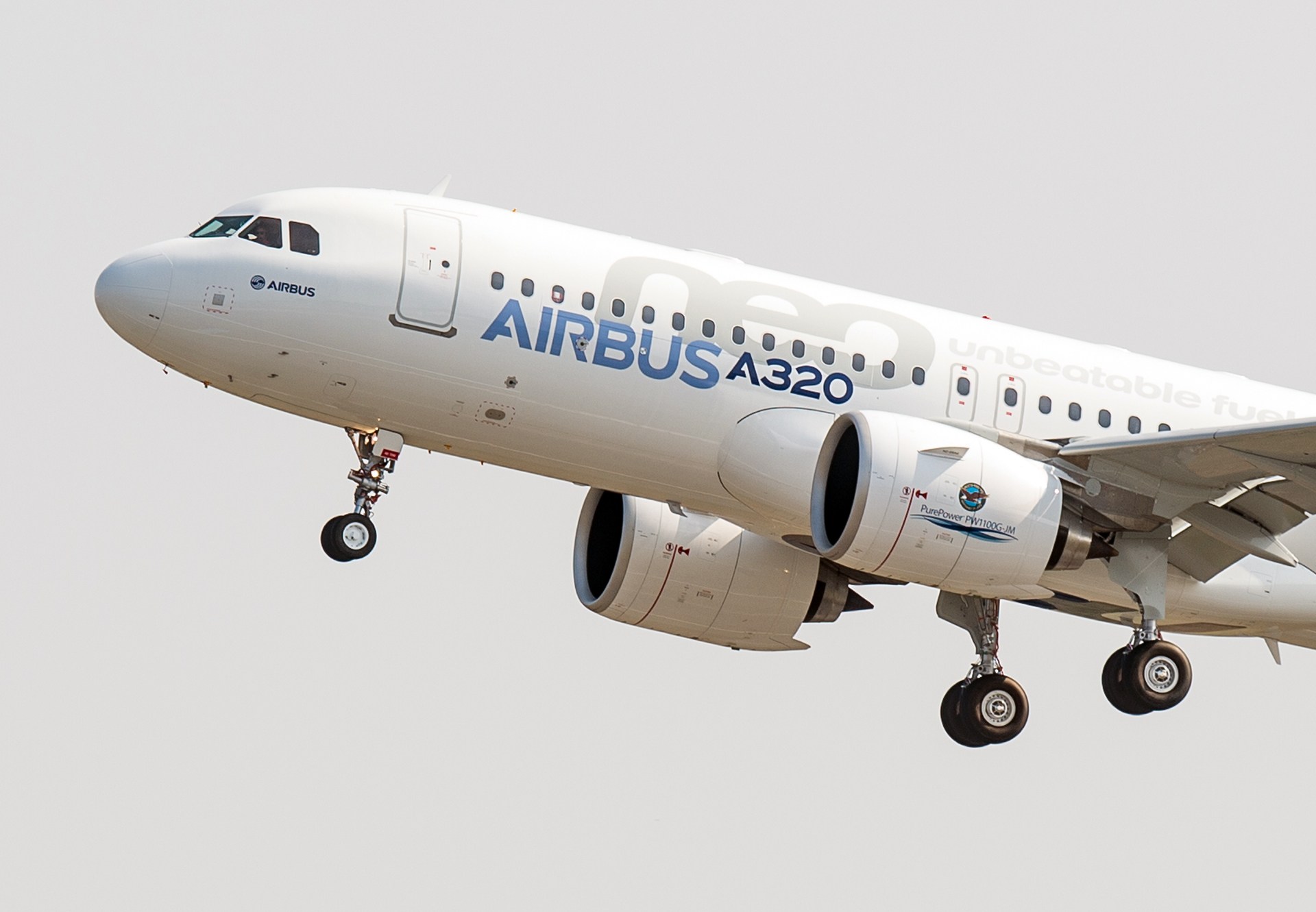
Airbus, a leading aircraft manufacturer, has announced a software change for a significant portion of its A320 family of jets, affecting approximately 6,000 units. This update is expected to disrupt half of the global fleet of these aircraft, potentially leading to cancellations or delays during a busy travel weekend. The move underscores the rapid pace of technological advancements in the travel industry, particularly in aircraft software and maintenance.
Key Points:
- Airbus is implementing a software change for 6,000 of its A320 family jets, impacting a “significant number” of its best-selling aircraft.
- The update is mandatory before the next routine flight, which could result in operational disruptions such as cancellations or delays.
- This development highlights the ongoing evolution of aircraft technology and maintenance practices in the aviation industry.
- The timing of this change coincides with one of the busiest travel weekends of the year, potentially affecting millions of travelers.
Actionable Takeaways:
- Proactive Software Updates in Aviation: The article underscores the importance of proactive software updates in the aviation sector. Airlines and aircraft manufacturers must ensure that their fleets are equipped with the latest software to maintain safety and operational efficiency. This trend is likely to influence future maintenance schedules and software development cycles in the industry.
- Impact on Travel Schedules: The potential for cancellations or delays due to software updates highlights the need for airlines to have contingency plans in place. This includes flexible scheduling, real-time communication with passengers, and robust customer service protocols to manage disruptions effectively.
- Investment in Aircraft Technology: The adoption of new software in a major aircraft model signals a broader trend of investment in advanced technologies within the travel industry. Companies should consider how they can leverage similar technological advancements to enhance operational efficiency, safety, and passenger experience.
Contextual Insights:
The announcement of this software change reflects the continuous evolution of the aviation industry, driven by technological advancements and the need for enhanced safety and efficiency. As travel demand surges, particularly during peak travel periods, the ability to swiftly implement software updates becomes crucial. This trend is indicative of a larger shift towards digital transformation in the travel sector, where technology plays a pivotal role in maintaining operational excellence and meeting passenger expectations. Furthermore, the timing of this update during a busy travel weekend emphasizes the critical need for airlines to have contingency plans and robust communication strategies to mitigate the impact on travelers. This situation also highlights the importance of collaboration between aircraft manufacturers, airlines, and regulatory bodies to ensure that technological advancements do not compromise safety or passenger experience.
Read the Complete Article.



