












Article Summary:
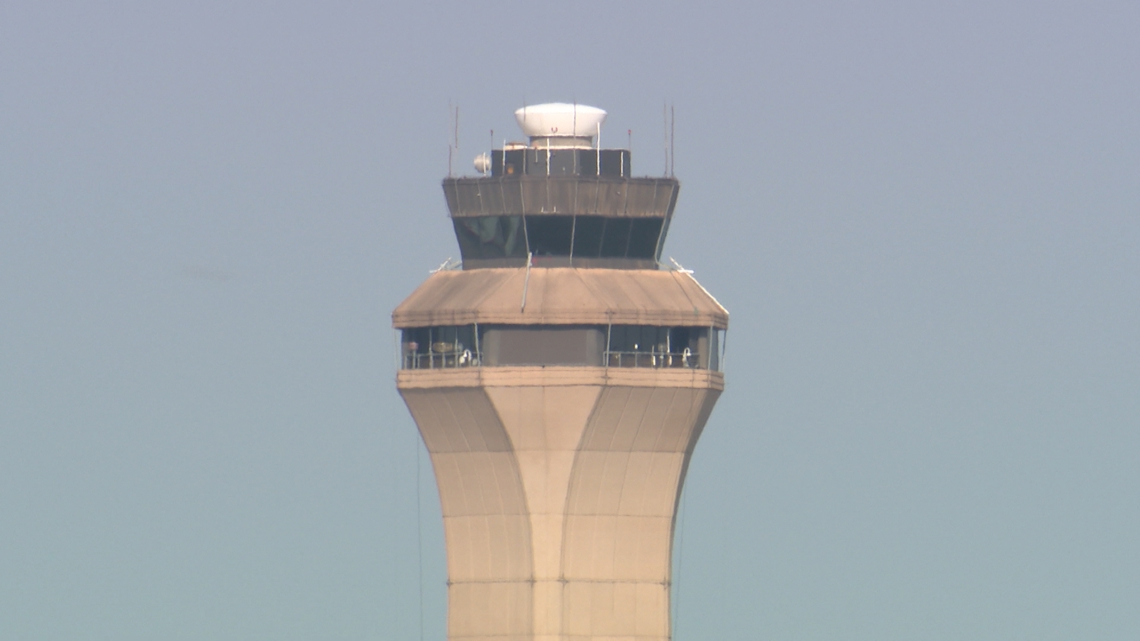
The Federal Aviation Administration (FAA) has announced a 10% reduction in air traffic across 40 "high-volume" markets, including Houston’s Bush Intercontinental Airport and Hobby Airport, due to the ongoing government shutdown. This measure aims to maintain safety during the period of reduced government operations.
Key Points:
- The FAA announced a 10% reduction in air traffic at 40 high-volume airports starting Friday morning.
- Houston’s Bush Intercontinental Airport and Hobby Airport are among the affected airports.
- The reduction is a safety measure implemented during the ongoing government shutdown.
Actionable Takeaways:
- Operational Adjustments for Affected Airports: Airports like Bush Intercontinental and Hobby Airport may need to implement operational adjustments, such as reduced flight schedules or increased ground staff, to manage the decreased air traffic. This could impact airlines’ operations and travelers’ itineraries, necessitating proactive communication and scheduling flexibility.
- Impact on Travelers: Passengers traveling through or to/from Bush Intercontinental and Hobby Airports may experience delays or changes in flight schedules. Travelers should check with their airlines for updates and consider alternative transportation options if necessary.
- Focus on Safety During Government Shutdown: The FAA’s decision underscores the importance of safety protocols during government shutdowns. This could lead to increased scrutiny on airport operations and a greater emphasis on contingency planning to ensure safety and minimal disruption to air travel.
Contextual Insights:
The FAA’s decision to reduce air traffic during the government shutdown highlights the critical role of safety in aviation operations, especially when government resources are limited. This move reflects a broader trend of prioritizing safety over operational efficiency during crises. For the travel industry, this situation emphasizes the need for robust contingency plans and effective communication strategies to manage the impact on travelers. Additionally, it may spur innovation in travel tech, particularly in areas such as real-time flight tracking and passenger communication, as companies seek to enhance the traveler experience during disruptions. The article also points to the ongoing challenges faced by the travel industry due to government shutdowns, suggesting that resilience and adaptability will be key themes in the sector’s future.
Read the Complete Article.



