












Sail Through Time: Discover the Timeless Wonders of Upper Egypt Aboard Kenzy Dahabeya
Experience the magic of the Nile aboard Kenzy Dahabeya, a luxury boutique sailing cruise that offers an unforgettable journey between...
Read moreDetails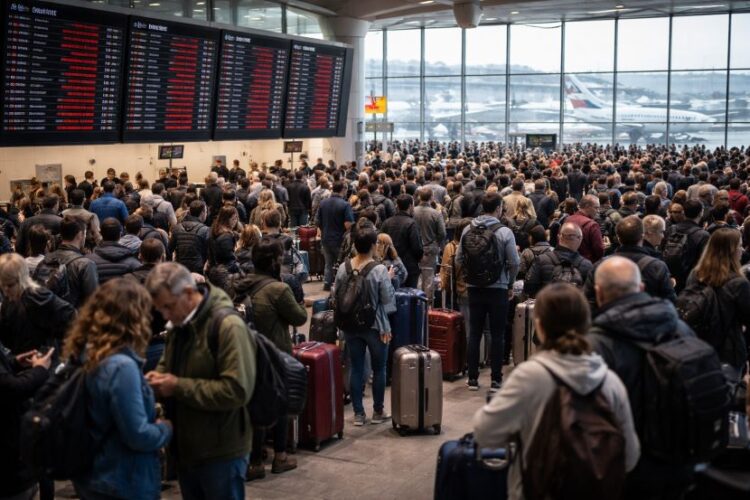
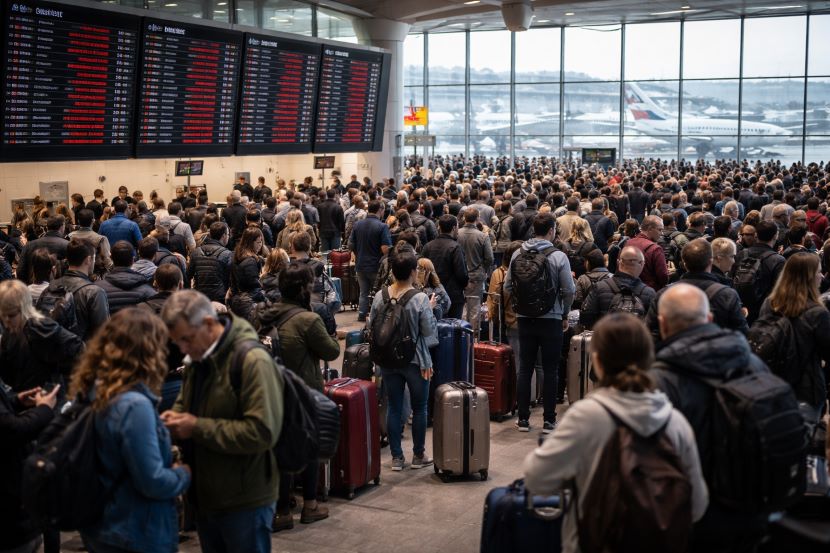
Canada Faces Travel Disruption As 58 Flights Were Delayed And 89 Flights Cancelled Including WestJet...
Comprehensive Summarization:
Canada’s aviation industry is currently experiencing significant disruptions, with 58 flights delayed and 89 flights cancelled across major airports, including Toronto Pearson International, Vancouver International, and Montreal-Trudeau International. The disruption affects routes to major cities such as Toronto and Vancouver, impacting airlines such as WestJet, Air Canada, and United Airlines. This article, published on January 27, 2026, highlights the challenges faced by the Canadian aviation sector, emphasizing the impact on both the airlines and travelers.
Key Points:
Actionable Takeaways:
Proactive Communication: Airlines should enhance their communication strategies to promptly inform passengers about delays and cancellations. This proactive approach can help manage passenger expectations and reduce the overall impact on the travel experience.
Focus on Rescheduling and Refunds: Airlines should streamline their processes for rescheduling flights and issuing refunds. Efficient handling of these processes can mitigate passenger inconvenience and maintain trust in the airline’s operational reliability.
Invest in Technology: The disruptions highlight the need for airlines to invest in advanced technology solutions for real-time flight tracking and passenger notification systems. Such innovations can improve operational efficiency and enhance the passenger experience during disruptions.
Contextual Insights:
The recent disruptions in Canada’s aviation industry underscore the vulnerabilities within the sector, particularly in managing large-scale operational challenges. The article reflects broader trends in the travel industry, where technological advancements and efficient communication strategies are becoming increasingly crucial. As the industry continues to evolve, the integration of innovative technologies and improved communication protocols will be essential for maintaining operational resilience and ensuring a positive travel experience for passengers. The disruptions also highlight the importance of adaptability and preparedness in the face of unforeseen challenges, a lesson that extends beyond the aviation sector to other areas of the travel industry, including travel tech startups and fintech innovations.
Read the Complete Article.
Experience the magic of the Nile aboard Kenzy Dahabeya, a luxury boutique sailing cruise that offers an unforgettable journey between...
Read moreDetails



