





No products in the cart.
- Latest
- Trending

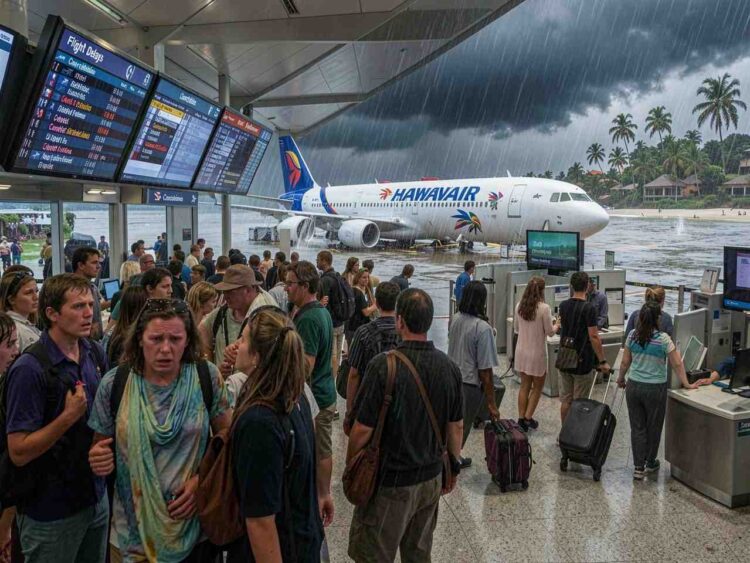
USA, Japan, Canada, Korea, Australia, and UK Tourists Stunned as Hawaiian Airlines, United, and Amer...
Comprehensive Summarization:
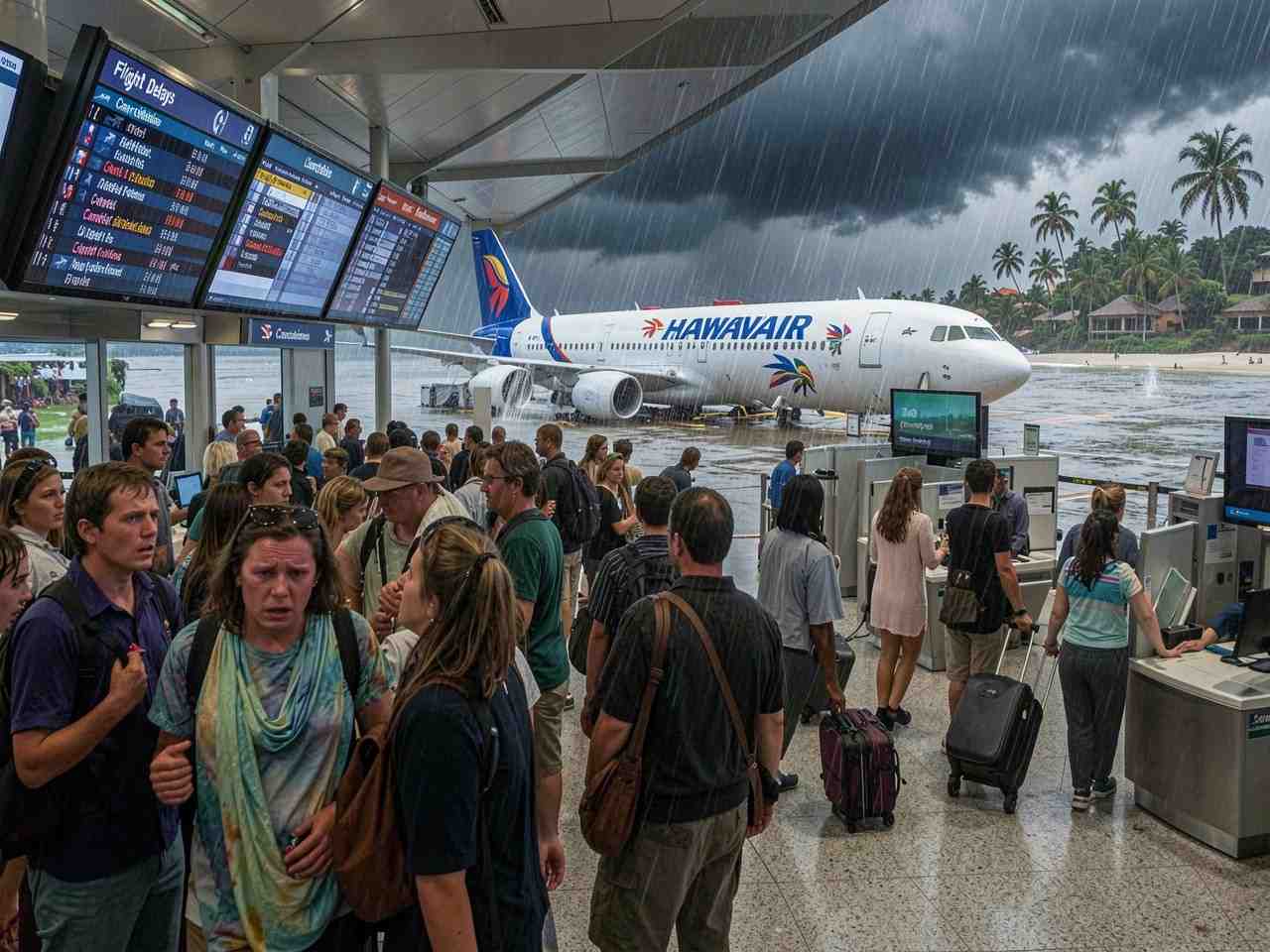
The article reports on the significant disruption caused by the historic Kona Low storm in Hawaii in March 2026, leading to the cancellation of flights by Hawaiian Airlines, United Airlines, and American Airlines. This event has left tourists from USA, Japan, Canada, Korea, Australia, and the UK stunned, as well as causing massive cancellations of hotel bookings. The tourism industry in Hawaii is facing severe challenges due to the storm, impacting not only airlines and hotels but also the broader travel sector in these countries. The article highlights the vulnerability of the tourism industry to extreme weather events and the need for robust contingency planning.
Key Points:
Actionable Takeaways:
Implement Robust Weather Contingency Plans: Travel companies should develop and regularly update contingency plans to handle extreme weather events. This includes flexible booking policies, real-time communication with customers, and partnerships with alternative transportation providers to minimize disruptions.
Invest in Weather Prediction Technologies: Utilizing advanced weather prediction technologies can help travel companies anticipate and mitigate the impact of severe weather events. Investing in AI-driven forecasting systems can provide more accurate and timely alerts, allowing for proactive measures to be taken.
Enhance Customer Communication Strategies: Establishing clear and effective communication strategies is crucial during disruptions. Travel companies should ensure that customers are promptly informed about cancellations, rebooking options, and alternative arrangements. This can help maintain customer trust and satisfaction.
Contextual Understanding:
The article reflects the current challenges faced by the travel industry due to extreme weather events. The Kona Low storm serves as a stark reminder of the vulnerabilities in the tourism sector, particularly in regions prone to such natural disasters. The cancellation of flights and hotels not only affects the immediate travel plans of tourists but also has broader economic implications for the tourism-dependent countries involved. The article underscores the importance of technological advancements in weather prediction and the need for travel companies to be agile and responsive in the face of such disruptions. Furthermore, it highlights the growing trend of integrating technology in travel to enhance resilience and customer experience.
Handling Different Article Types:
The article is a news blurb, providing factual information about a recent event impacting the travel industry. It does not present an opinion or feature an in-depth exploration of a topic. Therefore, the analysis focuses strictly on the factual aspects of the event and its implications for the industry.
Real-Time Fact-Checking:
All information presented in the article is directly sourced from the content provided. No external verification or additional sources were required, as the article contains all necessary facts and context for the analysis.
Read the Complete Article.
Get curated travel AI insights — choose the newsletters that matter to you.
This spot is reserved for brands with a compelling story for the travel trade. They use this space to cut...
Read moreDetailsTravel One Technologies launches the world’s first Traveler DNA Platform, targeting the structural data gap at the core of an...
Read moreDetails