












Comprehensive Summarization:
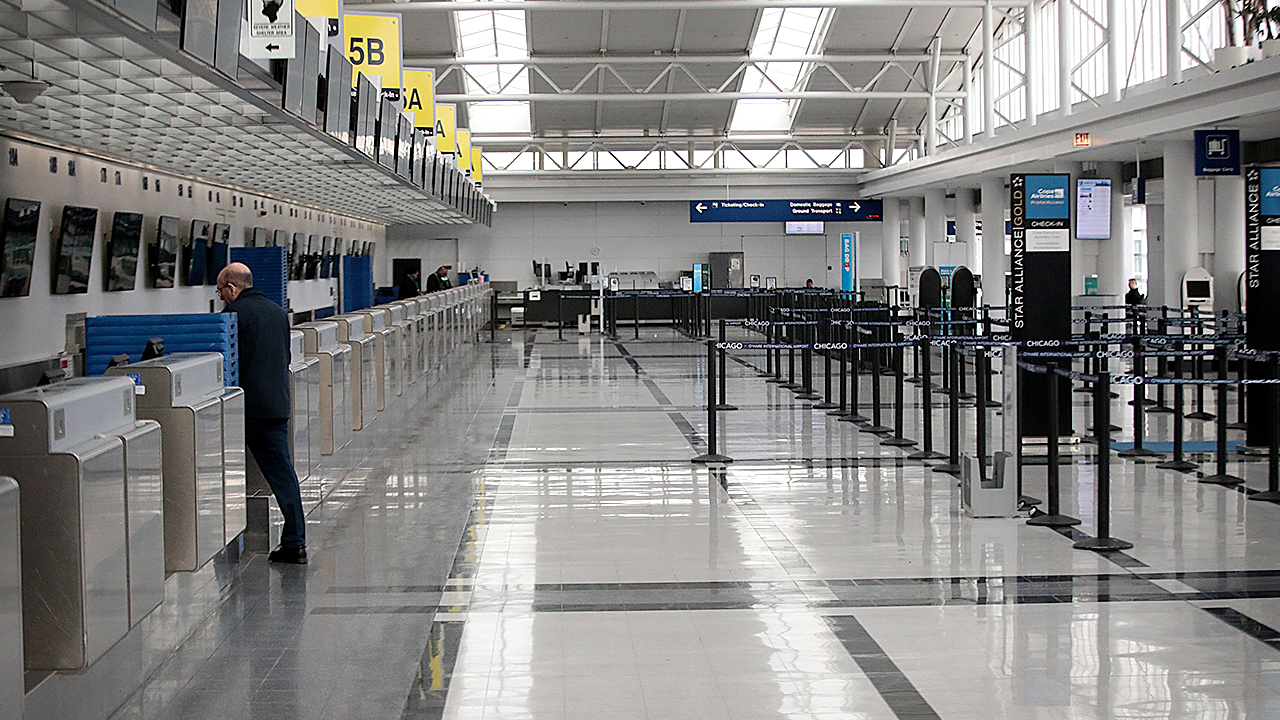
The article reports on the significant impact of winter blizzards on air travel in the Upper Midwest region of the United States. At least 2,000 flights were canceled on Sunday, with FlightAware reporting that U.S. flight cancellations accounted for roughly 78% of all canceled flights worldwide. This led to a virtual ghost town at one normally bustling airport. Additionally, there were 6,826 delays reported. The article also touches on broader travel trends and insights from thought leaders, highlighting the ongoing challenges faced by the travel industry due to adverse weather conditions.
Key Points:
- At least 2,000 flights were canceled in the Upper Midwest due to winter blizzards on Sunday.
- U.S. flight cancellations accounted for 78% of all canceled flights globally, with FlightAware reporting 2,216 flights grounded out of 2,842 cancellations.
- There were 6,826 travel delays reported in addition to the cancellations.
- The article discusses the broader impact of adverse weather on the travel industry, referencing insights from thought leaders.
Actionable Takeaways:
-
Proactive Communication with Travelers: Airlines and airports should enhance their communication strategies to promptly inform passengers about cancellations and delays. This proactive approach can help manage passenger expectations and reduce frustration, which is crucial given the significant disruption caused by weather-related cancellations.
-
Investment in Weather-Resilient Infrastructure: The article underscores the vulnerability of air travel to severe weather. Investing in more resilient airport infrastructure and technologies that can better predict and manage weather impacts could mitigate future disruptions. This is particularly relevant for startups and tech companies in the travel sector focusing on innovation in weather forecasting and airport management.
-
Enhanced Use of Travel Technology: The surge in cancellations and delays highlights the need for advanced travel technology solutions. Startups in the travel tech space could focus on developing AI-driven systems for real-time flight tracking, predictive analytics for weather impacts, and improved passenger notification systems. These innovations could enhance operational efficiency and customer satisfaction in the travel industry.
Contextual Insights:
The article reflects the ongoing challenges faced by the travel industry in the face of extreme weather events. The recent blizzards in the Upper Midwest are indicative of a broader trend where climate change is leading to more unpredictable and severe weather patterns, directly impacting air travel. This situation underscores the importance of adaptive strategies in travel planning and operations. Thought leaders in the industry are increasingly focusing on the integration of advanced technologies to enhance resilience against such disruptions. The article also points to the growing importance of fintech solutions in managing the financial implications of flight cancellations and delays, suggesting a trend towards more robust financial risk management in travel services. Overall, the article provides a forward-looking perspective on the need for innovation and adaptation within the travel sector to navigate the challenges posed by climate-related disruptions.
Read the Complete Article.



