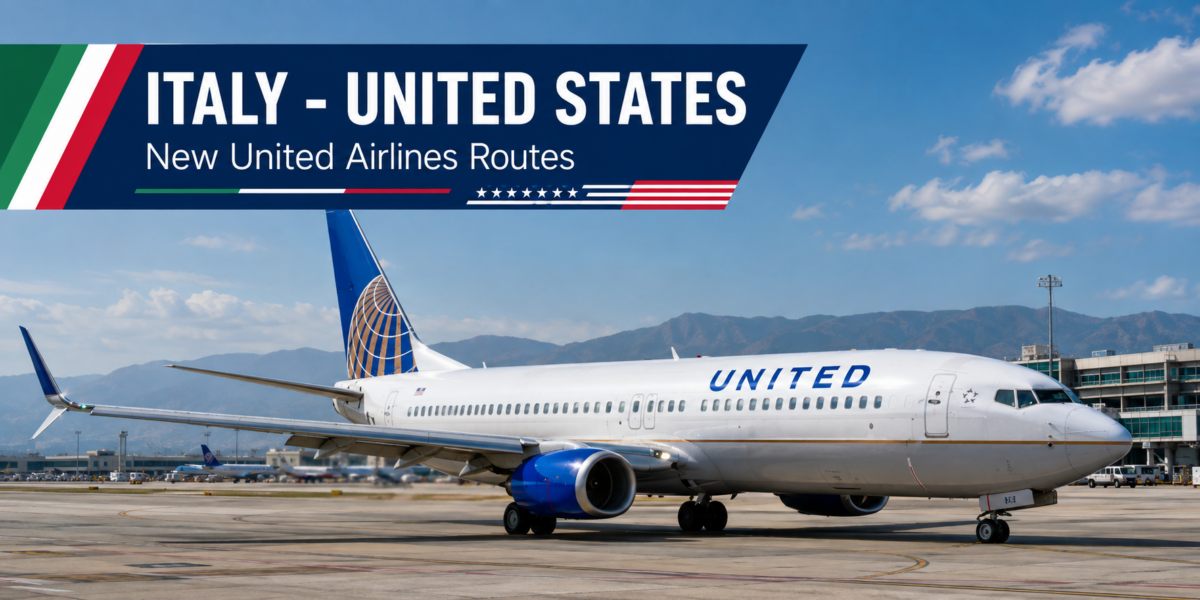
United Airlines launches nonstop Italy-US flights in 2027
THE NEWS: United Airlines will add three new nonstop transatlantic routes from Italy to the United States in Summer 2027, linking...
Read moreDetails
Comprehensive Summarization:
The article reports that the United States has joined the United Kingdom, Canada, India, the UAE, and Germany in experiencing a 20% surge in summer airfares due to the escalating conflict in Iran. This development is significantly impacting global travel demand, particularly in New York, where major airlines such as United Airlines, Delta Air Lines, Air Canada, Lufthansa, and Air France-KLM are affected. The surge in airfares is a direct response to heightened travel uncertainties and safety concerns stemming from the geopolitical tensions. The article underscores the broader implications for the travel industry, highlighting the vulnerability of travel demand to geopolitical events and the subsequent economic repercussions on airlines and travel-related sectors.
Key Points:
Actionable Takeaways:
Airfare Volatility and Consumer Behavior: Airlines should anticipate increased volatility in airfares and adjust pricing strategies dynamically to manage customer expectations and maintain competitiveness. This could involve implementing fare flexibility options or offering loyalty rewards to mitigate the impact on consumer travel decisions.
Focus on Safety and Transparency: Airlines and travel agencies should prioritize transparency in communication regarding safety measures and policies in response to geopolitical risks. Providing clear, up-to-date information can help rebuild consumer trust and encourage travel despite uncertainties.
Investment in Digital Travel Solutions: The heightened focus on safety and security necessitates investment in digital travel solutions, such as advanced booking platforms, real-time flight tracking, and enhanced customer support services. These technologies can enhance the travel experience, provide peace of mind to consumers, and differentiate service offerings in a competitive market.
Contextual Insights:
The escalation in airfares due to the Iran conflict underscores the travel industry’s sensitivity to geopolitical events. This trend aligns with broader industry shifts towards greater digitalization and data-driven decision-making. As geopolitical risks become more pronounced, the industry is likely to see increased adoption of technologies that enhance safety, transparency, and customer engagement. Startups focusing on travel tech, particularly those offering innovative solutions for risk management and digital customer interactions, are poised to gain significant traction. Additionally, fintech innovations that streamline payment processes and offer travel insurance options could become crucial for airlines and travel agencies in navigating the uncertainties brought about by geopolitical tensions. These insights highlight the importance of adaptability and innovation in maintaining resilience and growth within the travel sector amidst evolving global challenges.
Read the Complete Article.
THE NEWS: United Airlines will add three new nonstop transatlantic routes from Italy to the United States in Summer 2027, linking...
Read moreDetails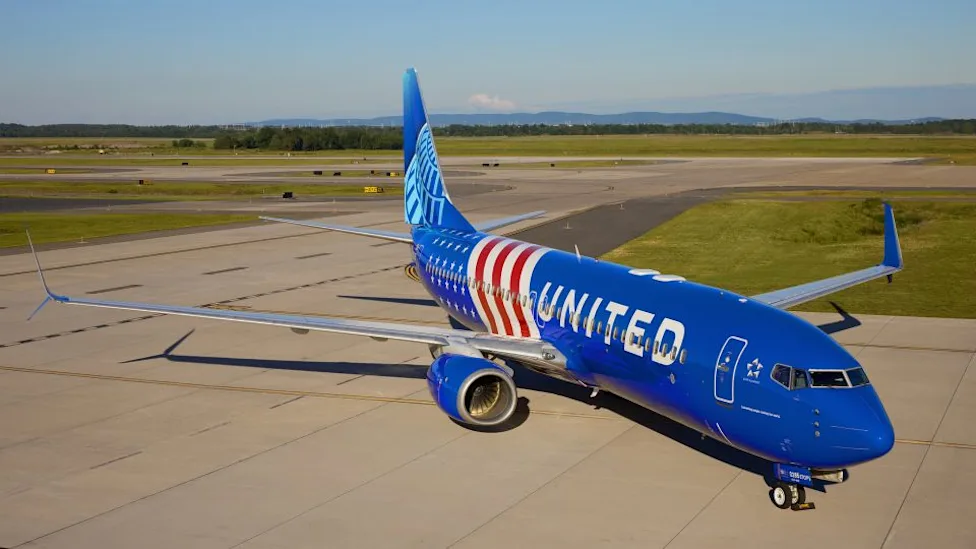
Experience the magic of the Nile aboard Kenzy Dahabeya, a luxury boutique sailing cruise that offers an unforgettable journey between...
Read moreDetails