












Article Summary:
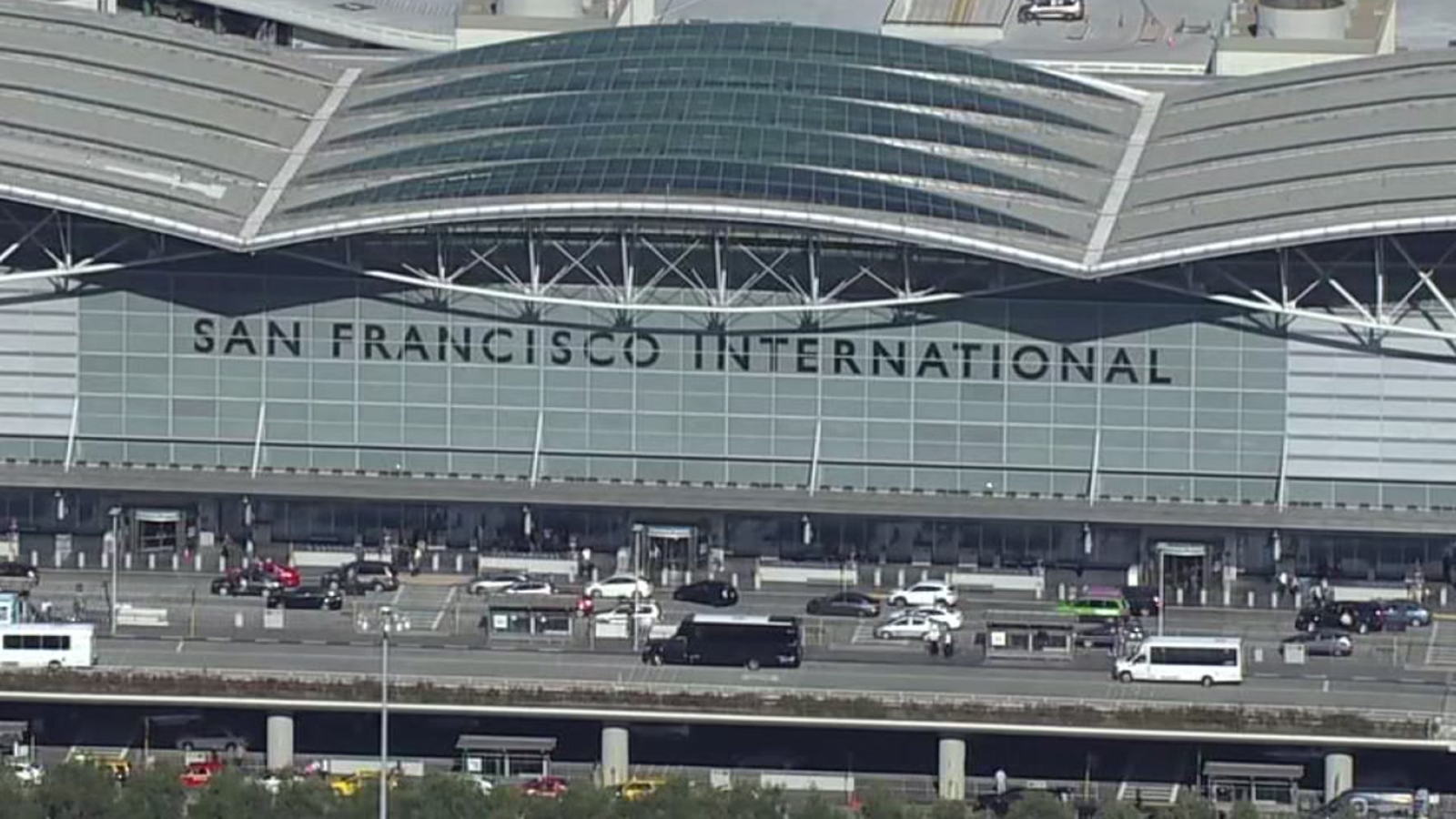
The article reports on the impact of the government shutdown on San Francisco International Airport (SFO) and Oakland San Francisco Bay Airport (OAK), leading to numerous flight cancellations and delays. These disruptions are causing significant frustration among travelers, as some are forced to find alternative means of transportation due to staffing issues affecting the airline industry. The Federal Aviation Administration (FAA) has ordered 40 major airports, including SFO and OAK, to cancel 4% of their flights, a measure expected to continue.
Key Points:
- The government shutdown has resulted in flight cancellations and delays at SFO and OAK, affecting numerous travelers.
- Some passengers are unable to reach their destinations due to the disruptions, leading to frustration and the need for alternative transportation.
- The FAA has mandated the cancellation of 4% of flights at 40 major airports, including SFO and OAK, as part of the response to the shutdown.
- The situation highlights staffing issues within the airline industry, further exacerbating travel disruptions.
Actionable Takeaways:
- Traveler Preparedness: Travelers should consider flexible booking options and alternative transportation methods to mitigate the impact of flight disruptions caused by government shutdowns. This proactive approach can help minimize inconvenience and ensure timely arrival at destinations.
- Industry Resilience: The airline industry’s response to staffing issues underscores the need for robust contingency planning and workforce management strategies. Airlines must invest in resilient operational frameworks to handle unforeseen disruptions effectively.
- Regulatory Impact: The FAA’s directive to cancel a significant portion of flights at major airports illustrates the regulatory body’s role in managing national security and operational safety during crises. This highlights the importance of regulatory frameworks in maintaining aviation safety and efficiency.
Contextual Insights:
The current government shutdown’s impact on major airports like SFO and OAK underscores the vulnerability of the travel industry to political and regulatory disruptions. This situation is reflective of broader trends where external factors, such as government actions, can significantly affect travel logistics and passenger experience. In response, the travel industry is increasingly focusing on technological innovations and operational efficiencies to enhance resilience against such disruptions. For instance, advancements in travel tech, such as real-time flight tracking and flexible booking platforms, are becoming essential tools for both airlines and travelers. Additionally, the integration of fintech solutions to manage travel expenses and reimbursements efficiently is gaining traction, providing travelers with greater flexibility and control during turbulent times. These insights highlight the importance of adaptability and innovation in navigating the challenges posed by external disruptions in the travel sector.
Read the Complete Article.



