












Comprehensive Summarization:
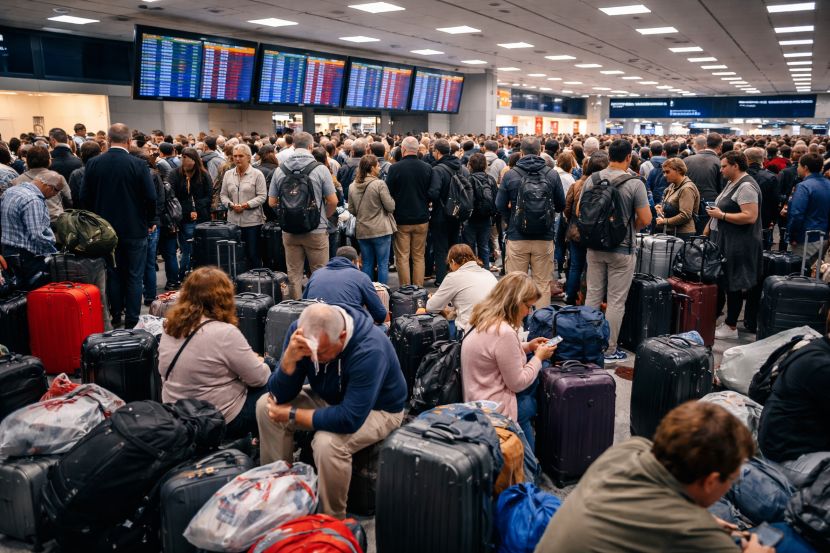
The article reports on significant disruptions at Chicago O’Hare International Airport, where hundreds of passengers faced delays and cancellations due to operational issues with major airlines such as United, American, Delta, and Southwest. The incident, which occurred on February 16, 2026, involved 207 flight delays and 20 cancellations, affecting flights to major U.S. cities including New York, Los Angeles, London, and Paris. This event highlights the challenges faced by passengers, airlines, and the local economy at one of the busiest airports in the U.S., underscoring the vulnerabilities in the current travel infrastructure and the need for improved operational efficiency and resilience in the face of unforeseen disruptions.
Key Points:
- Flight Disruptions: Hundreds of passengers experienced delays and cancellations at Chicago O’Hare International Airport due to operational issues with major airlines.
- Impact on Travelers and Economy: The disruptions affected flights to major U.S. cities, impacting both passengers and the local economy.
- Affected Airlines: The incident involved United, American, Delta, and Southwest Airlines, indicating a widespread operational challenge.
- Location and Scale: The disruptions occurred at one of the busiest airports in the U.S., emphasizing the scale and impact of the issue.
Actionable Takeaways:
-
Enhance Operational Resilience: Airlines and airports should invest in robust operational resilience strategies to mitigate the impact of unforeseen disruptions. This includes improving communication with passengers, having contingency plans for delays and cancellations, and ensuring backup staffing and resources are readily available.
-
Invest in Technology for Real-Time Tracking: Implement advanced technologies for real-time flight tracking and passenger communication. This can help airlines provide timely updates to passengers, reducing anxiety and improving the overall travel experience during disruptions.
-
Strengthen Partnerships and Coordination: Foster stronger partnerships and coordination between airlines, airports, and local authorities to ensure a coordinated response to disruptions. This can include shared resources, joint communication strategies, and mutual support during crises.
Contextual Insights:
The disruptions at Chicago O’Hare International Airport highlight the ongoing challenges faced by the travel industry in managing large-scale operational issues. The incident underscores the importance of technological advancements in travel tech, such as real-time tracking systems and improved communication platforms, which can enhance passenger experience and operational efficiency. Furthermore, the event serves as a reminder of the critical role that fintech innovations play in managing financial aspects of travel disruptions, such as compensating passengers and managing refunds efficiently. As the travel industry continues to evolve, embracing these technological and operational advancements will be crucial for maintaining resilience and ensuring a seamless travel experience for passengers.
Read the Complete Article.



