












Article Summary:
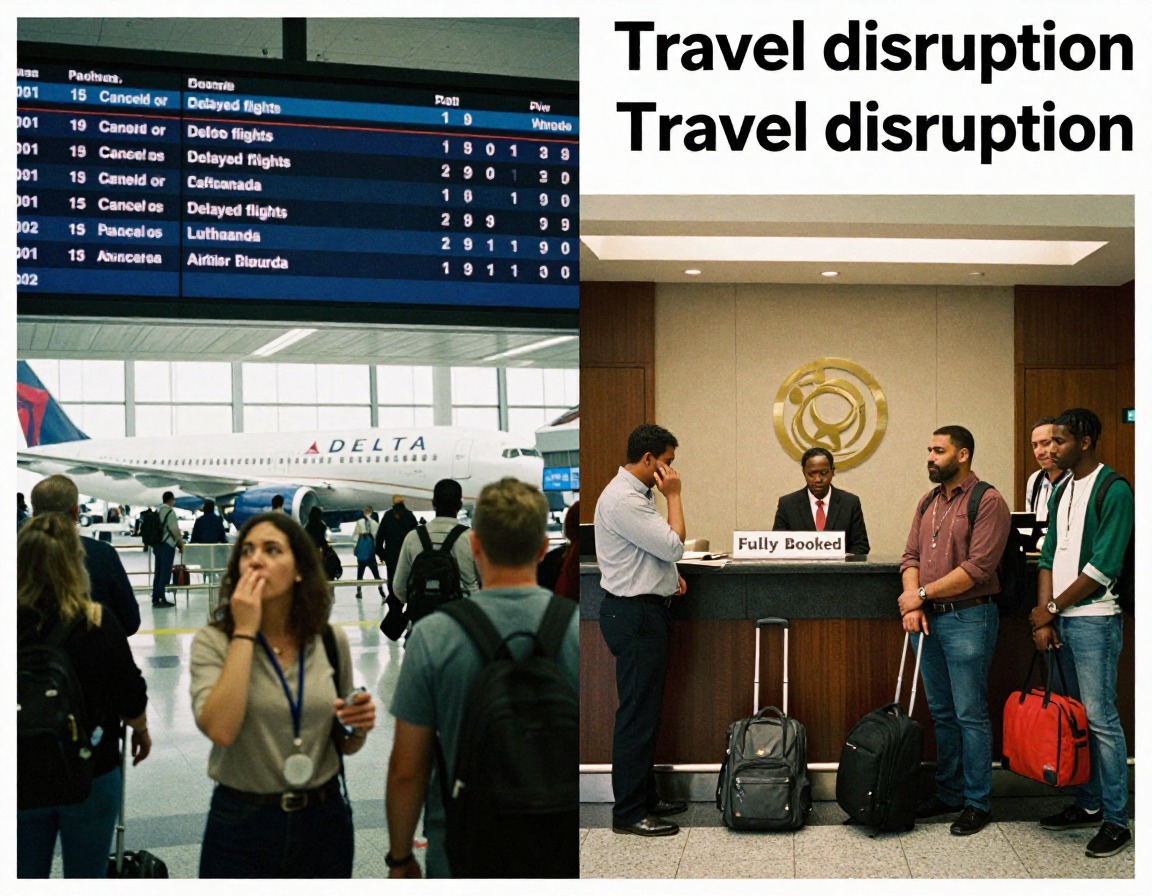
The article discusses the recent expansion of the U.S. travel ban to 39 countries, which has significant implications for major airlines such as Delta, United, Lufthansa, and Air Canada. This development is also affecting Nigeria’s tourism sector, posing a substantial setback. The ban’s expansion is causing concern among travel professionals and industry stakeholders, highlighting the ongoing challenges in global travel due to geopolitical decisions.
Key Points:
- U.S. Travel Ban Expansion: The article details the recent expansion of the U.S. travel ban to include 39 additional countries, impacting international travel significantly.
- Impact on Major Airlines: Airlines like Delta, United, Lufthansa, and Air Canada are facing challenges due to the expanded travel restrictions, affecting their operations and passenger flow.
- Nigeria’s Tourism Sector: Nigeria’s tourism industry is experiencing a major setback as a result of the travel ban, indicating broader economic and social repercussions.
- Global Travel Implications: The expansion of the travel ban underscores the interconnectedness of global travel markets and the potential ripple effects of geopolitical decisions on international tourism.
Actionable Takeaways:
- Strategic Reassessment for Airlines: Airlines operating in affected regions should reassess their operational strategies, including adjusting flight schedules, enhancing customer communication, and exploring alternative routes or partnerships to mitigate the impact of the travel ban.
- Investment in Digital Travel Solutions: The travel industry should invest in digital travel solutions, such as online booking platforms and virtual customer support, to adapt to the changing travel landscape and enhance customer experience amid restrictions.
- Collaborative Industry Response: Stakeholders in the travel sector, including airlines, tourism boards, and government bodies, should collaborate to develop contingency plans and advocate for policy changes that support the recovery of international travel.
Contextual Insights:
The expansion of the U.S. travel ban to 39 countries is a significant development in the context of global travel, reflecting the ongoing impact of geopolitical decisions on international tourism. This development is particularly relevant for airlines and tourism sectors, which are directly affected by restricted travel routes and heightened security measures. The article highlights the need for the travel industry to adapt swiftly to such changes, leveraging technological advancements and strategic partnerships to navigate the challenges posed by the ban. Furthermore, the setback faced by Nigeria’s tourism sector underscores the broader economic implications of such travel restrictions, emphasizing the importance of diversifying tourism markets and fostering resilient travel ecosystems. As the travel industry continues to evolve, staying informed about geopolitical developments and their immediate impacts will be crucial for stakeholders aiming to maintain competitiveness and resilience in the face of uncertainty.
Read the Complete Article.



