












Comprehensive Summarization:
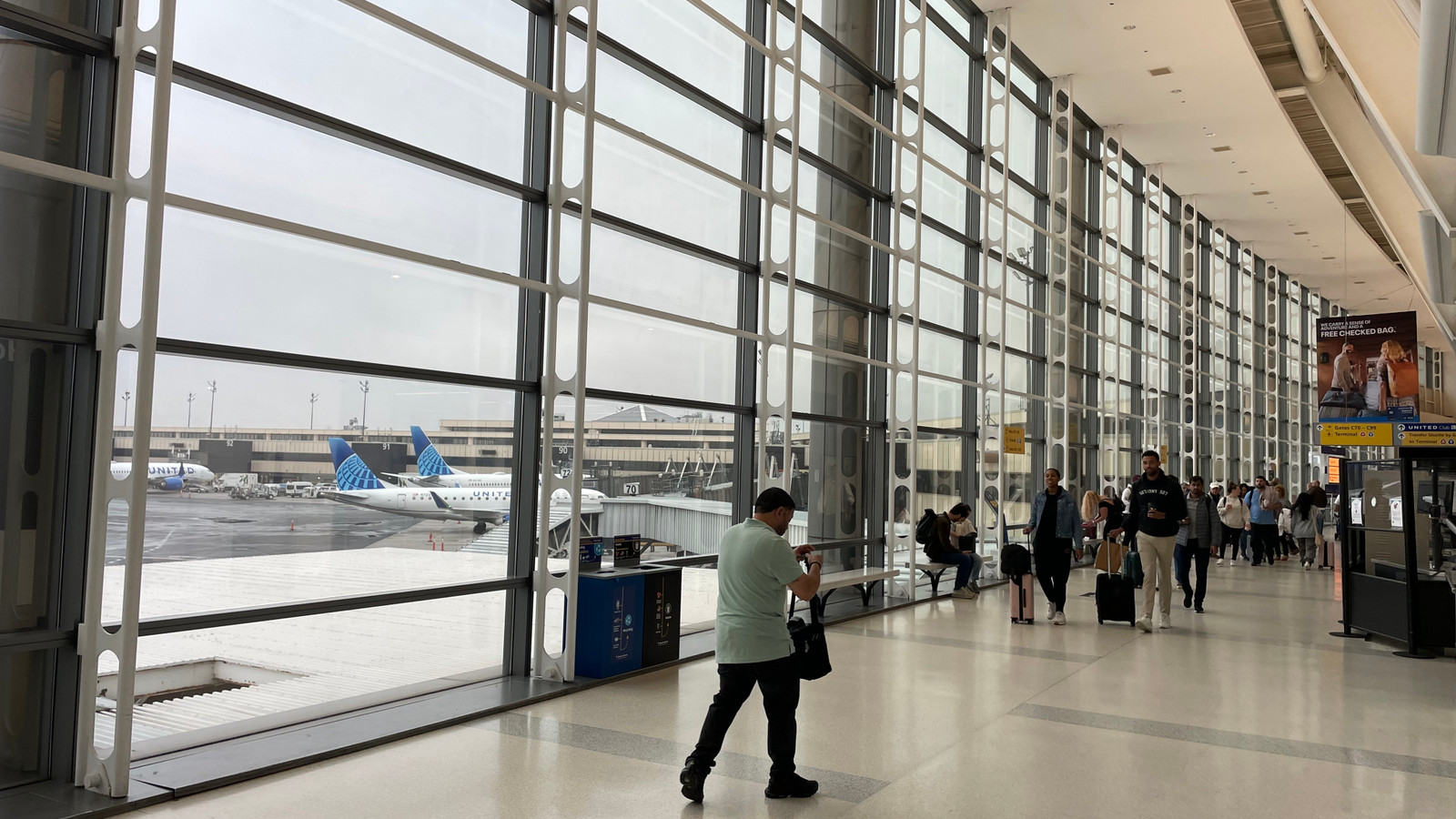
The article from Newark Liberty International Airport describes the challenging conditions faced by United Airlines passengers due to severe flooding. Travelers were forced to walk along the water at the C gate, with no alternative routes available. This situation was exacerbated by the ongoing Lufthansa pilot strike, which has led to thousands of travelers being stranded at other overseas airports. The article highlights the disruptive impact of these events on the travel experience, emphasizing the need for robust contingency plans and effective communication strategies in the face of such disruptions.
Key Points:
- United Airlines passengers experienced severe flooding at Newark Liberty International Airport, specifically at the C gate, with no alternative routes available.
- The flooding was compounded by the ongoing Lufthansa pilot strike, which has stranded thousands of travelers at other airports.
- The article underscores the challenges faced by travelers and the importance of effective communication and contingency planning in such situations.
Actionable Takeaways:
-
Implement Real-Time Communication Systems: Airlines should invest in real-time communication systems to keep passengers informed about delays, cancellations, and alternative routes. This proactive approach can significantly enhance passenger experience during disruptions.
-
Develop Flexible Itinerary Options: Airlines should offer flexible itinerary options, such as rebooking passengers on alternative flights with minimal additional cost. This flexibility can help mitigate the inconvenience caused by disruptions and maintain customer satisfaction.
-
Enhance Ground Transportation Options: In the event of severe weather or other disruptions, airlines should explore partnerships with ground transportation providers to offer alternative routes or shuttle services. This can help passengers reach their final destinations more efficiently.
Contextual Insights:
The article reflects the current challenges faced by the travel industry, particularly in managing disruptions caused by severe weather conditions and labor strikes. The emphasis on real-time communication and flexible itinerary options aligns with emerging trends in travel tech, where technology plays a crucial role in enhancing passenger experience during unforeseen circumstances. The ongoing Lufthansa pilot strike also highlights the interconnected nature of the global travel ecosystem, where disruptions in one part of the world can have cascading effects on other airports and airlines. Forward-looking insights suggest that the travel industry must continue to innovate and invest in technologies that improve resilience and adaptability to such disruptions. This includes leveraging data analytics for predictive modeling, enhancing customer communication platforms, and fostering partnerships across the travel ecosystem to ensure seamless passenger experiences even in adverse conditions.
Read the Complete Article.



