








Sail Through Time: Discover the Timeless Wonders of Upper Egypt Aboard Kenzy Dahabeya
Experience the magic of the Nile aboard Kenzy Dahabeya, a luxury boutique sailing cruise that offers an unforgettable journey between...
Read moreDetails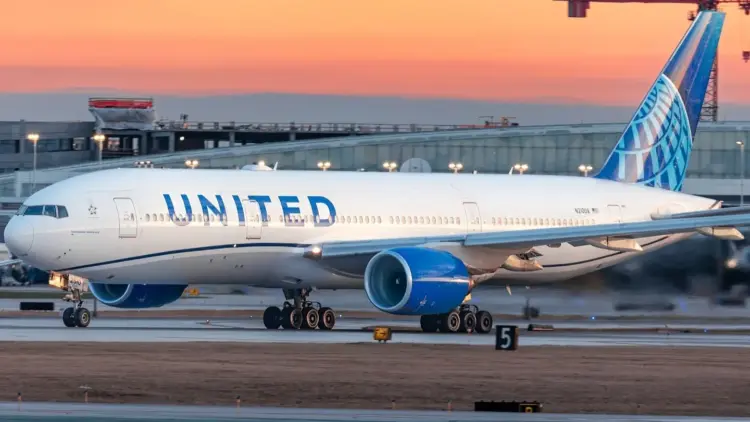
Photo: Clément Alloing
Comprehensive Summarization:
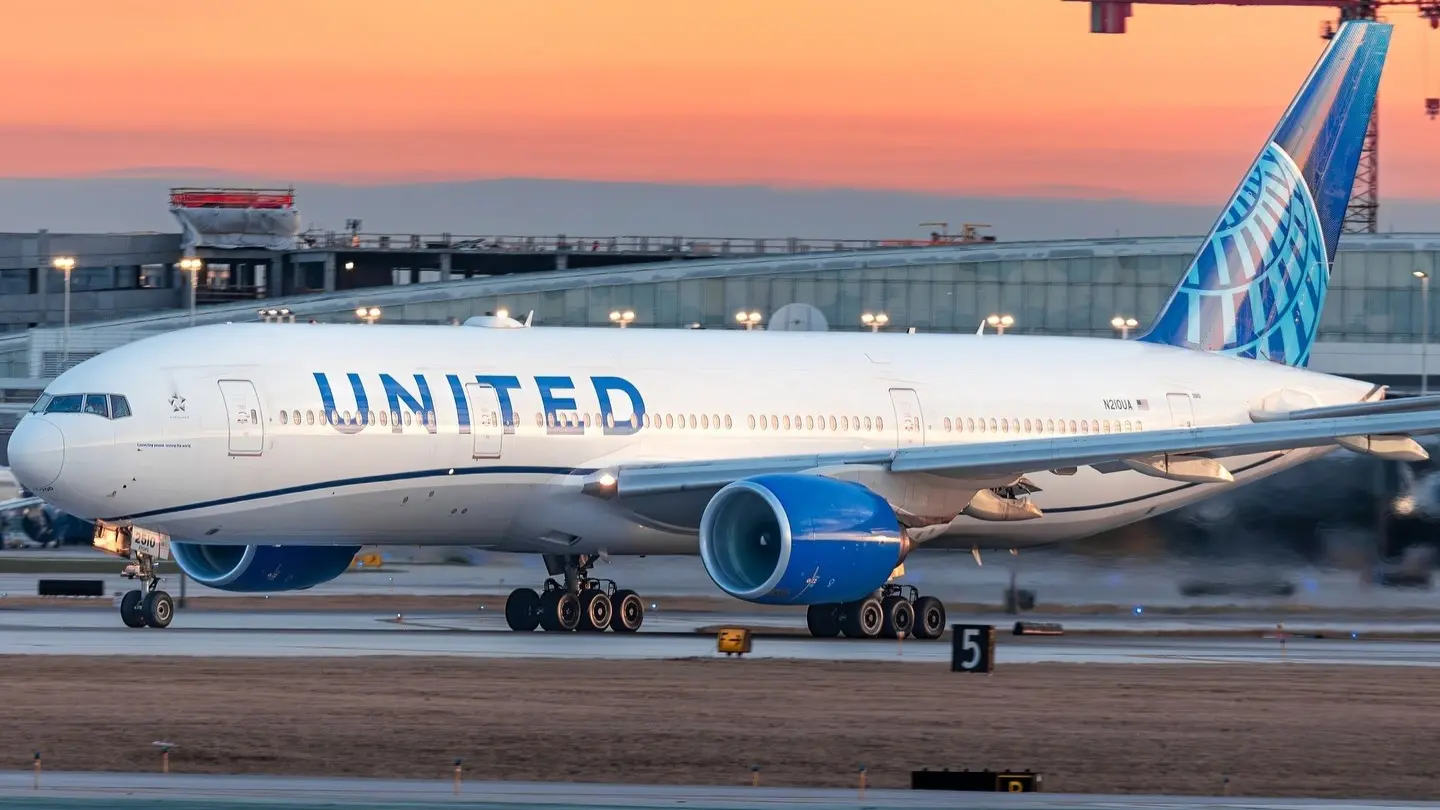
United Airlines (UA) has announced a significant overhaul of its fare structure, introducing tiered pricing across cabins, including a new “basic” option in its Polaris business class. This strategic move signals a broader shift in how premium travel is sold, with fewer inclusions at lower price points. The changes are set to roll out starting in April 2026 in select markets, aligning with the evolving travel industry trends towards more flexible and customizable travel options. This development is particularly relevant in the context of current travel trends, where consumers are increasingly seeking value and flexibility in their travel experiences.
Key Points:
Actionable Takeaways:
Adaptation to Consumer Preferences: United Airlines’ introduction of tiered pricing and a new “basic” option in its business class reflects a strategic adaptation to evolving consumer preferences for flexibility and value in travel. This move may encourage other airlines to reconsider their pricing strategies, potentially leading to increased competition and innovation in fare structures within the industry.
Market Positioning and Competitive Advantage: By rolling out these changes starting in April 2026, United Airlines is positioning itself at the forefront of a broader industry trend towards customizable travel options. This could enhance its competitive advantage by appealing to a broader range of travelers seeking tailored travel experiences, thereby potentially increasing market share and customer loyalty.
Innovation in Travel Tech: The shift towards tiered pricing and customizable options highlights the growing importance of travel technology in shaping the industry. Airlines that invest in and adopt advanced fare structures and flexible booking options may gain a technological edge, attracting tech-savvy travelers and setting new standards for customer experience in air travel.
Contextual Insights:
The introduction of tiered pricing and a new “basic” option in United Airlines’ business class is a direct response to current travel industry trends, which emphasize flexibility, value, and customization. As consumers become more discerning and seek personalized travel experiences, airlines are compelled to innovate their fare structures to meet these demands. This trend is further supported by the rise of travel tech startups that focus on providing flexible booking options and personalized travel solutions. By aligning with these trends, United Airlines not only enhances its market positioning but also positions itself as a forward-thinking airline that embraces technological advancements and consumer-centric strategies. This move is likely to have a ripple effect across the industry, prompting other airlines to reassess their pricing models and embrace similar innovations to stay competitive in a rapidly evolving market.
Read the Complete Article.
Experience the magic of the Nile aboard Kenzy Dahabeya, a luxury boutique sailing cruise that offers an unforgettable journey between...
Read moreDetails



