












Comprehensive Summarization:
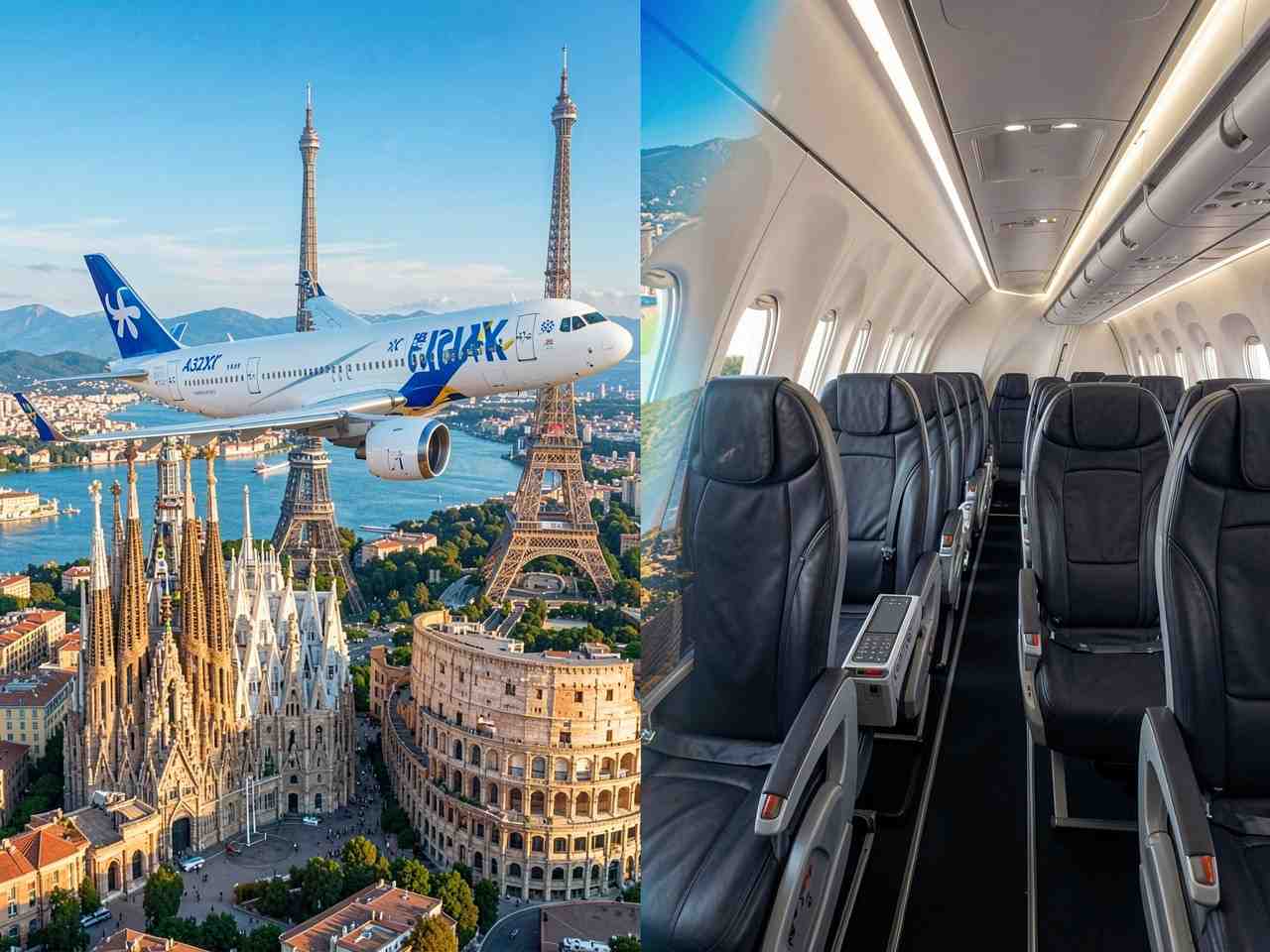
United Airlines is making a significant shift in its fleet by replacing its Boeing 757 aircraft with the advanced Airbus A321XLR. This strategic move is set to redefine air travel, focusing on enhanced comfort, improved efficiency, and expanded connectivity, particularly for routes within Spain, France, and Italy. The article, published on April 12, 2026, highlights this transition as a pivotal moment in the airline’s evolution, signaling a broader trend towards more sustainable and technologically advanced aircraft in the travel industry.
Key Points:
- United Airlines is replacing its Boeing 757 fleet with the Airbus A321XLR.
- The Airbus A321XLR is designed to offer improved efficiency and enhanced passenger comfort.
- The transition is particularly impactful for routes within Spain, France, and Italy.
- This move reflects a broader industry trend towards more sustainable and technologically advanced aircraft.
Actionable Takeaways:
-
Embrace Technological Advancements: Airlines should consider upgrading their fleets with newer, more efficient aircraft like the Airbus A321XLR to enhance operational efficiency and passenger experience. This move aligns with the industry’s shift towards sustainability and technological innovation.
-
Focus on Regional Connectivity: The replacement of older aircraft with the A321XLR highlights the importance of expanding regional connectivity, especially in key European markets. Airlines can leverage this to enhance their service offerings and capture market share in competitive routes.
-
Invest in Passenger Comfort: The focus on improved passenger comfort with the A321XLR underscores the importance of prioritizing passenger experience in fleet upgrades. Airlines should invest in modern interiors and amenities to meet evolving traveler expectations.
Contextual Insights:
The transition from Boeing 757 to Airbus A321XLR is emblematic of the broader industry trend towards embracing newer, more efficient aircraft. This shift is driven by the need for improved fuel efficiency, reduced environmental impact, and enhanced passenger comfort. The Airbus A321XLR, with its extended range and advanced technology, represents a significant step forward in meeting these objectives. As the travel industry continues to evolve, such strategic fleet upgrades will be crucial for airlines aiming to stay competitive and meet the growing demands of modern travelers. Additionally, this move aligns with the increasing emphasis on sustainability within the travel sector, as airlines seek to reduce their carbon footprint while enhancing operational efficiency.
Read the Complete Article.



