












Comprehensive Summarization:
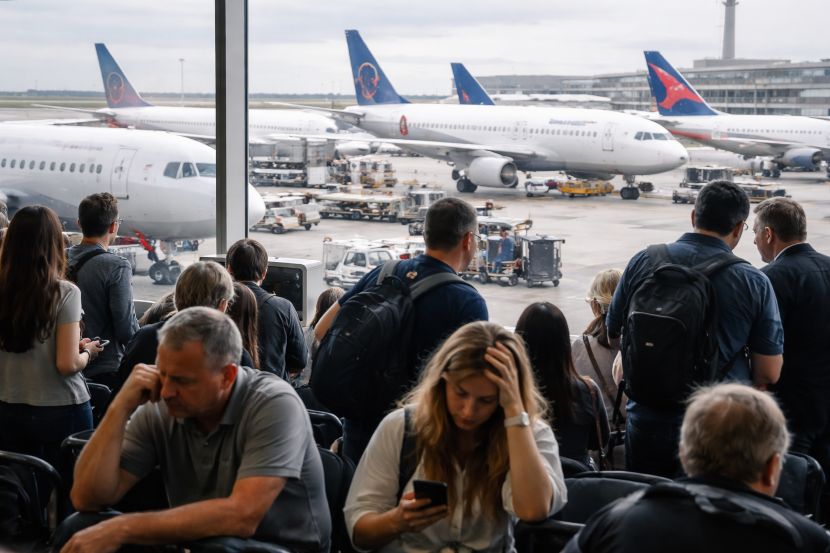
The article reports on significant disruptions at Houston Bush Intercontinental Airport, one of the busiest in the U.S., where United, Spirit, and Lufthansa faced 77 flight delays and 6 cancellations. This incident highlights the ongoing challenges faced by major airlines in managing flight schedules, particularly at high-traffic airports. The disruptions affected both domestic and international flights, underscoring the vulnerabilities in the current airline operations management systems. The article also touches on the broader context of flight delays and cancellations being a recurring issue at major U.S. airports, suggesting a systemic problem that requires attention from both airlines and regulatory bodies.
Key Points:
- Houston Bush Intercontinental Airport experienced 77 flight delays and 6 cancellations involving United, Spirit, and Lufthansa.
- The disruptions affected both domestic and international flights, indicating widespread operational challenges.
- The incident highlights the vulnerabilities in managing flight schedules at high-traffic airports.
- The article emphasizes the need for airlines to improve their operational management systems to mitigate such disruptions.
Actionable Takeaways:
-
Implement Advanced Flight Management Systems: Airlines should invest in advanced flight management systems that can predict and mitigate potential delays and cancellations. This includes real-time data analytics and predictive maintenance to ensure smoother operations.
-
Enhance Communication with Passengers: Airlines must improve communication strategies to keep passengers informed about potential delays and cancellations. Proactive and transparent communication can help manage passenger expectations and reduce frustration.
-
Focus on Operational Efficiency: There is a clear need for airlines to review and enhance their operational efficiency, particularly at major hubs like Houston Bush Intercontinental. This could involve streamlining check-in processes, optimizing gate assignments, and improving coordination between airlines.
Contextual Insights:
The disruptions at Houston Bush Intercontinental Airport are indicative of broader challenges within the U.S. airline industry, where flight delays and cancellations are increasingly common. This situation is exacerbated by factors such as increased passenger volumes, staffing shortages, and the impact of external events like weather conditions. The article aligns with recent travel trends that highlight the importance of technological advancements in managing these challenges. Thought leaders in the travel industry have been advocating for the adoption of AI and machine learning to enhance operational efficiency and improve passenger experience. The current disruptions underscore the urgency for airlines to adopt these technologies and innovate their operational strategies to stay competitive and meet passenger expectations in a rapidly evolving industry.
Read the Complete Article.



