












Article Summary:
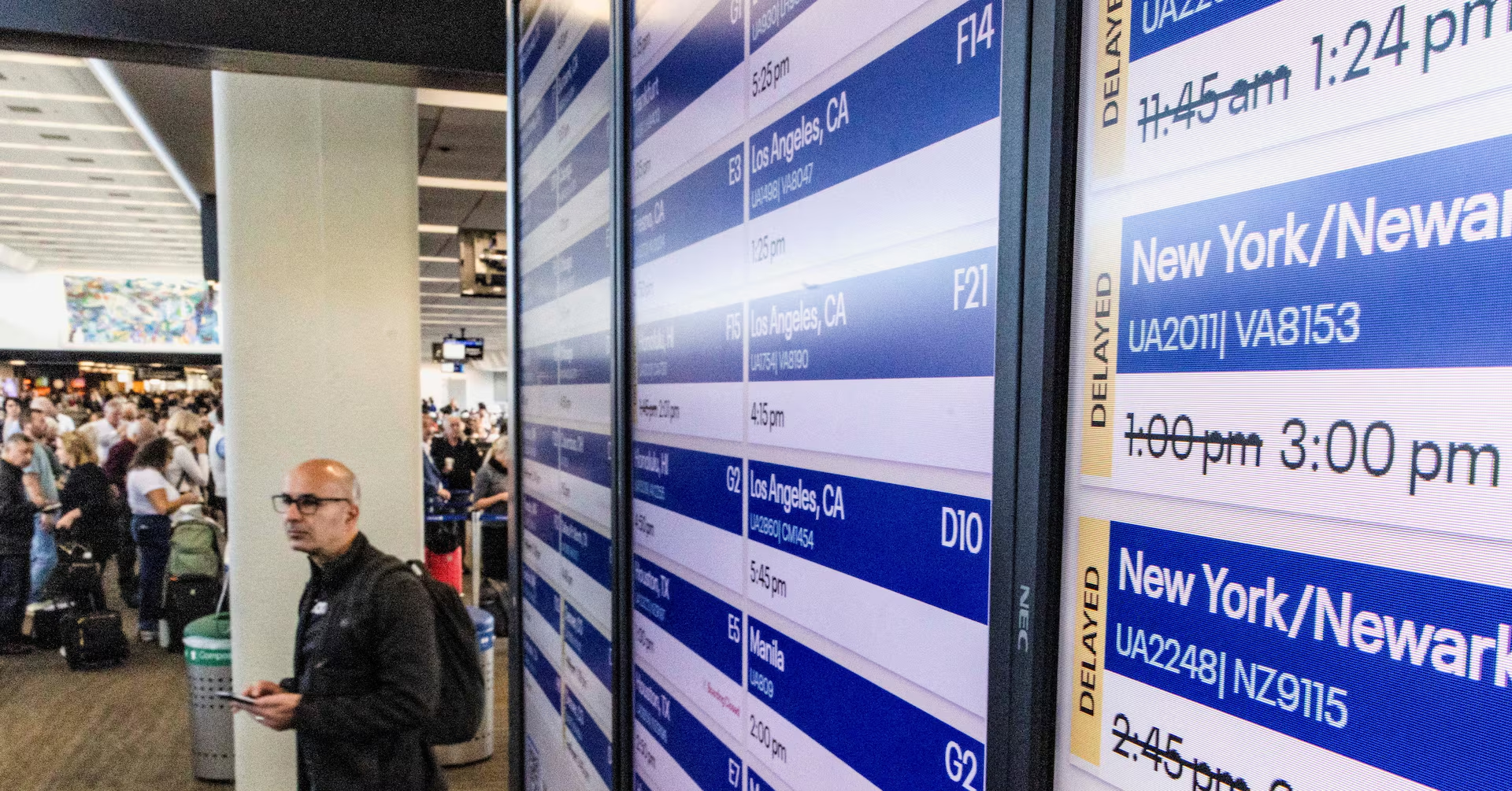
The U.S. Federal Aviation Administration (FAA) has mandated a phased reduction in flights at major U.S. airports, beginning with a 4% cut starting Friday. This decision, announced by the Trump administration, aims to manage air traffic amid unspecified challenges, potentially without a shutdown deal. Airlines are scrambling to adjust their schedules and inform customers of the changes. Major carriers are offering flexibility for schedule changes and are utilizing larger aircraft to accommodate the adjustments. Passenger stress is rising due to the delays, cancellations, and overall uncertainty associated with these changes.
Key Points:
- FAA mandates a phased reduction in flights at major U.S. airports, starting with a 4% cut on Friday.
- Airlines are scrambling to adjust their schedules and inform customers of the changes.
- Major carriers are offering flexibility for schedule changes and are using larger aircraft to manage the adjustments.
- Passenger stress is increasing due to the delays, cancellations, and uncertainty caused by the flight reductions.
Actionable Takeaways:
-
Schedule Flexibility for Airlines: Airlines should prioritize flexibility in their scheduling to accommodate the FAA’s mandated reductions. This includes offering customers the option to change or cancel flights with minimal penalties. This flexibility can help mitigate passenger stress and maintain customer satisfaction during a period of uncertainty.
-
Utilization of Larger Aircraft: Major carriers are advised to utilize larger aircraft to manage the reduced flight frequency effectively. Larger aircraft can carry more passengers and cargo, helping airlines maintain revenue levels despite the reduced number of flights. This strategy can also improve operational efficiency by optimizing aircraft utilization.
-
Enhanced Communication with Passengers: Airlines must enhance their communication strategies to keep passengers informed about schedule changes and potential delays or cancellations. Clear and timely communication can help manage passenger expectations and reduce stress. Providing options for rebooking or refunds can further alleviate passenger concerns and enhance loyalty.
Contextual Insights:
The FAA’s decision to mandate flight reductions at major U.S. airports reflects broader challenges in the aviation industry, including managing air traffic efficiently and ensuring safety amid fluctuating demand. This move is likely a response to broader economic and operational pressures, such as labor shortages, rising fuel costs, and regulatory changes. The current context highlights the need for adaptability and innovation within the travel industry, particularly in managing passenger expectations and operational logistics.
The rise in passenger stress underscores the importance of effective communication and customer service in maintaining trust and loyalty. As the industry navigates these challenges, there is an opportunity for startups and fintech companies to innovate in areas such as travel insurance, flexible booking options, and real-time communication platforms. These innovations can help airlines mitigate the impact of flight reductions and enhance the overall travel experience for passengers.
In summary, the article highlights the FAA’s decision to reduce flights at major U.S. airports, the immediate impact on airlines and passengers, and the broader implications for the travel industry. By focusing on actionable insights and contextual understanding, stakeholders can better navigate these changes and position themselves for future success.
Read the Complete Article.



