












Article Summary:
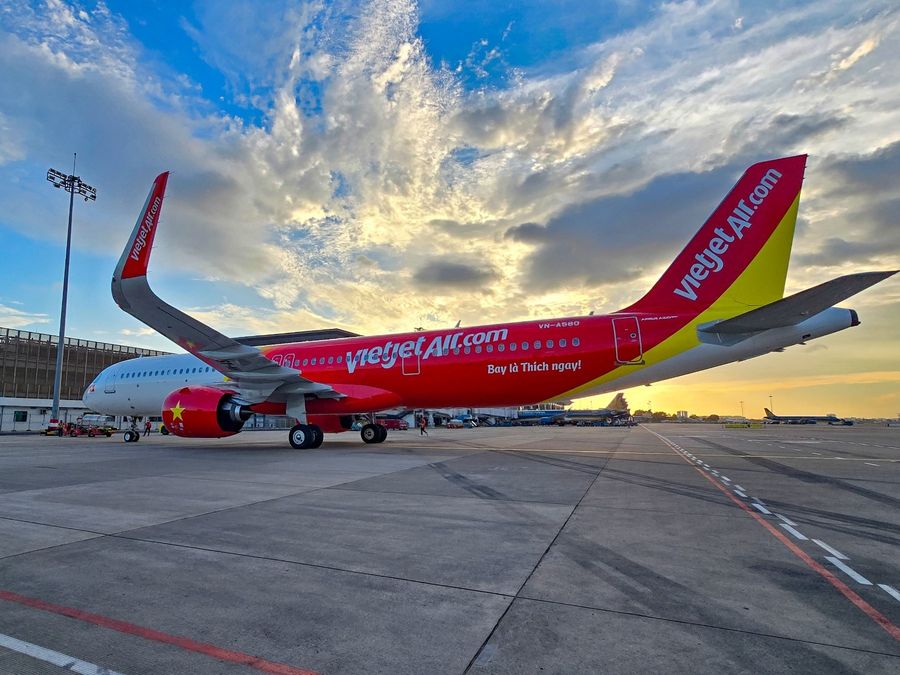
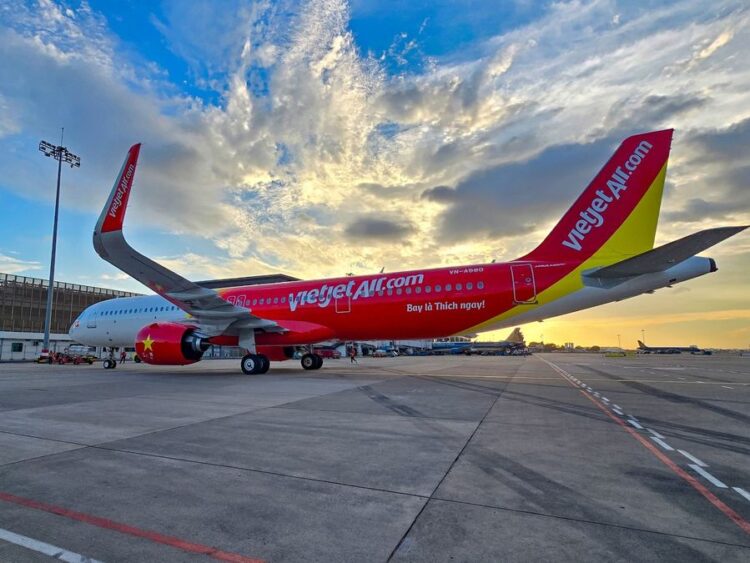
Vietjet, Vietnam’s new age carrier, has welcomed a new A321neo aircraft, VN-A580, bringing the airline closer to its milestone of adding 22 aircraft within a single month by year-end. This fleet expansion aims to enhance flight availability, improve connectivity, and provide more seamless travel options for travelers from India as Vietjet prepares for upcoming peak seasons.
Key Points:
- Vietjet has acquired a new A321neo aircraft, VN-A580, as part of its fleet expansion.
- The airline aims to reach 22 aircraft additions within a single month by year-end.
- The expansion is intended to increase flight availability and connectivity for travelers from India.
- The goal is to provide more seamless travel options as Vietjet strengthens its capacity ahead of peak seasons.
Actionable Takeaways:
- Enhanced Connectivity for Indian Travelers: The addition of the A321neo aircraft will likely lead to more flight options for travelers from India, improving connectivity and potentially increasing tourism and business travel between the two regions. This is particularly relevant as the travel industry seeks to recover and grow post-pandemic.
- Strategic Fleet Expansion: Vietjet’s rapid fleet expansion strategy demonstrates a strong commitment to scaling operations and meeting anticipated demand. This move could set a precedent for other airlines in the region, encouraging similar growth strategies to capitalize on increasing travel demand.
- Preparation for Peak Seasons: By bolstering its fleet ahead of peak travel seasons, Vietjet is positioning itself to handle higher passenger volumes efficiently. This proactive approach can help the airline manage increased demand more effectively, potentially leading to improved customer satisfaction and loyalty.
Contextual Insights:
The article reflects the ongoing trend of airlines investing in fleet expansion to meet growing demand, especially in regions with high travel volumes like India and Vietnam. This strategic move aligns with broader industry trends towards enhancing connectivity and improving travel experiences. Furthermore, the focus on peak seasons indicates a forward-looking perspective, anticipating future travel surges and preparing infrastructure and services accordingly. As the travel industry continues to evolve, innovations in fleet management and strategic planning will play crucial roles in sustaining growth and meeting the demands of modern travelers.
Read the Complete Article.


