












Article Summary:
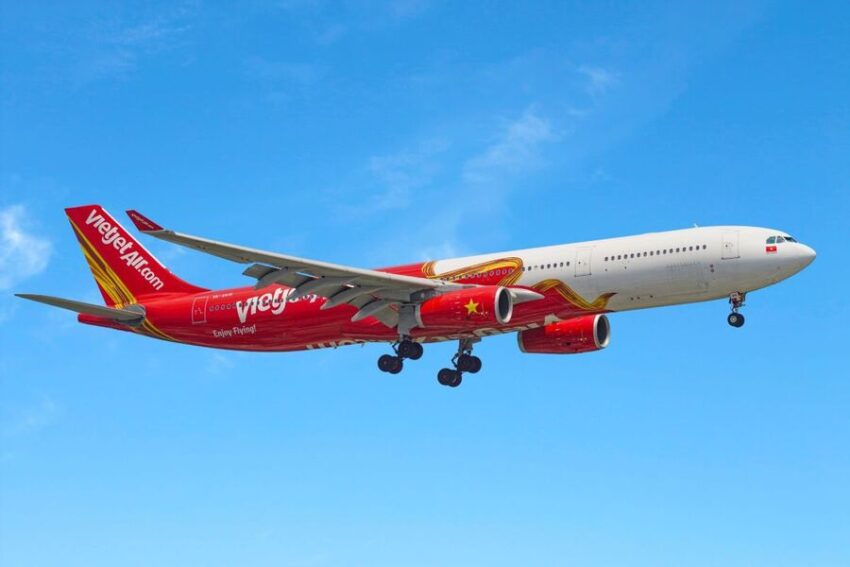
The article highlights the launch of a new VietJet service connecting Ho Chi Minh City and Manila, marking a significant step in enhancing Southeast Asian travel connectivity. This direct route is expected to bolster the Philippines’ regional connectivity, strengthen tourism momentum, and provide faster, more reliable access between two key Southeast Asian hubs. The service is being hailed as a transformative development for the region’s travel and tourism industry.
Key Points:
-
New VietJet Service: The article introduces a new direct flight route between Ho Chi Minh City and Manila operated by VietJet, a key development in Southeast Asian travel connectivity.
-
Impact on Tourism: The new service is expected to enhance tourism mobility in the region, making it easier for travelers to move between Ho Chi Minh City and Manila, thereby boosting tourism momentum in the Philippines.
-
Regional Connectivity: The expansion of connectivity between these two major Southeast Asian cities is seen as a transformative step, strengthening the region’s overall travel infrastructure and potentially driving regional growth.
-
Industry Context: The article is published on December 4, 2025, reflecting the latest developments in the travel industry, particularly in the context of expanding regional air travel links.
Actionable Takeaways:
-
Enhanced Travel Connectivity: The introduction of the VietJet service between Ho Chi Minh City and Manila is a strategic move that enhances regional travel connectivity. For travel companies and tourism boards in the region, this could mean increased demand for travel services, necessitating the expansion of ground transportation options and accommodations to cater to the growing number of travelers.
-
Opportunities for Local Businesses: The improved connectivity could present opportunities for local businesses in both Ho Chi Minh City and Manila. Hotels, restaurants, and other tourism-related services in these cities may see increased patronage, prompting them to enhance their offerings or marketing strategies to capitalize on the heightened travel activity.
-
Investment in Travel Infrastructure: The article underscores the importance of regional air travel links in driving tourism growth. Stakeholders in the travel industry, including investors and policymakers, may consider investing in further infrastructure development to support the burgeoning air travel demand, such as expanding airport facilities or improving ground transportation networks.
Contextual Insights:
The launch of the VietJet service between Ho Chi Minh City and Manila is a clear reflection of the ongoing trend towards expanding regional air travel links, driven by the increasing demand for faster and more convenient travel options. This development aligns with broader industry trends that emphasize connectivity and accessibility as key drivers of tourism growth. As highlighted by thought leaders in the travel sector, such expansions are crucial for unlocking the full potential of regional tourism, particularly in emerging markets like Southeast Asia.
The article also points to the role of technology in shaping the future of travel. With the rise of digital platforms and travel tech solutions, companies like VietJet are leveraging advanced booking systems, seamless ticketing processes, and integrated travel experiences to meet the evolving needs of modern travelers. This technological integration is likely to continue shaping the industry, offering new opportunities for innovation and efficiency.
In summary, the new VietJet service between Ho Chi Minh City and Manila represents a significant step forward in Southeast Asian travel connectivity, with far-reaching implications for tourism, local businesses, and the broader travel industry. By enhancing regional access and convenience, this development is poised to drive tourism growth and stimulate economic activity in the region.
Read the Complete Article.


