












Comprehensive Summarization:
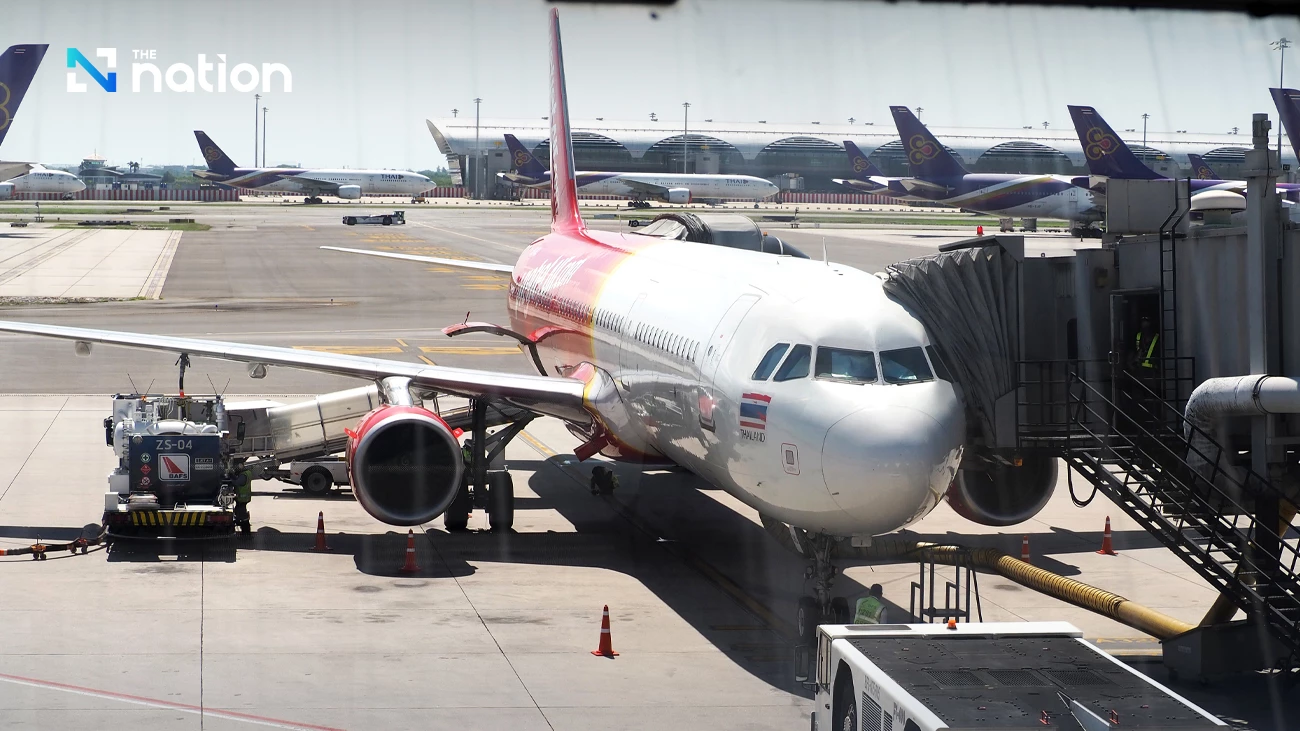
The article reports that Thai Vietjet, an airline, is adjusting its network in response to the energy crisis triggered by the war in the Middle East, which has led to a sharp increase in airline costs. As a result, the airline will temporarily suspend certain services during the Summer 2026 schedule. Specifically, the Suvarnabhumi-Fukuoka service will be suspended from May 11 to June 30, and the Suvarnabhumi-Kolkata service will be suspended until May 31. The route between Suvarnabhumi and Fukuoka had previously operated four flights a week, while the Suvarnabhumi-Kolkata route had four flights a week before the suspension. This move is a direct response to the rising operational costs, which are impacting the airline’s ability to maintain its service levels.
Key Points:
- Thai Vietjet is adjusting its network due to the energy crisis linked to the war in the Middle East, which has significantly increased airline costs.
- The airline will temporarily suspend its Suvarnabhumi-Fukuoka service from May 11 to June 30 and its Suvarnabhumi-Kolkata service until May 31.
- The Suvarnabhumi-Fukuoka route had previously operated four flights a week, while the Suvarnabhumi-Kolkata route had four flights a week before the suspension.
Actionable Takeaways:
-
Cost Management Strategy: Thai Vietjet’s decision to suspend certain routes is a strategic move to manage the increased operational costs resulting from the energy crisis. This action demonstrates the airline’s commitment to financial prudence and operational efficiency in challenging market conditions. By temporarily suspending services, the airline can potentially reduce fuel consumption and other related expenses, thereby stabilizing its financial performance during a period of high energy prices.
-
Impact on Travel Planning: The suspension of specific routes may affect travel planning for passengers who were previously considering these connections. Travel agents and airlines operating in the same market segments should be aware of this change and advise their clients accordingly. This could lead to a shift in travel patterns, with passengers potentially seeking alternative routes or airlines that are not affected by the same cost pressures.
Contextual Insights:
The article’s context is deeply rooted in the current global energy crisis, which is having a profound impact on various sectors, including the travel industry. The war in the Middle East has exacerbated fuel prices, leading to increased operational costs for airlines worldwide. This situation is particularly challenging for airlines that operate in regions where fuel costs constitute a significant portion of their expenses. Thai Vietjet’s response to this crisis by adjusting its network highlights a broader trend among airlines to adopt more flexible and cost-conscious operational strategies in response to external shocks.
In the context of travel tech and fintech, this scenario underscores the importance of agile business models and the need for innovative solutions to manage cost pressures. Startups and established players in the travel sector may need to explore new technologies or business models that can help them navigate similar challenges. For instance, there may be opportunities for the development of dynamic pricing models that can adjust in real-time based on fuel prices and other cost factors. Additionally, the use of data analytics to predict and mitigate the impact of such crises on travel demand could become increasingly important for airlines and travel service providers.
Overall, the article provides a clear example of how external economic factors can significantly influence the operations and strategic decisions of airlines. It serves as a reminder of the need for continuous adaptation and innovation in the face of global uncertainties.
Read the Complete Article.


