












Article Summary:
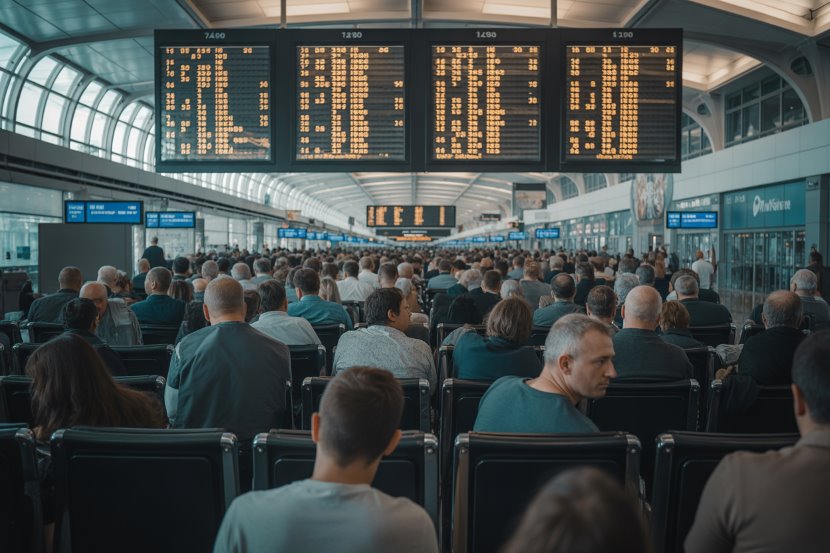
On December 24, 2025, Asia’s busiest airports experienced significant disruptions due to a wave of flight cancellations and delays affecting thousands of travelers. Major airlines including China Eastern, Hainan, VietJet Air, Malaysia Airlines, All Nippon Airways, Philippine Airlines, and others collectively reported 51 cancellations and 849 delays. This chaos was felt in major cities such as Beijing, Chengdu, Fukuoka, Phuket, Manila, and Kuala Lumpur, highlighting the vulnerability of the travel infrastructure in the region.
Key Points:
- Broad Scale Disruption: The article reports widespread flight cancellations and delays across multiple airlines and major Asian airports, impacting thousands of travelers.
- Geographical Impact: Cities including Beijing, Chengdu, Fukuoka, Phuket, Manila, and Kuala Lumpur were particularly affected, indicating a widespread issue rather than isolated incidents.
- Affected Airlines: Specific airlines such as China Eastern, Hainan, VietJet Air, Malaysia Airlines, All Nippon Airways, Philippine Airlines, and others were mentioned, underscoring the systemic nature of the disruption.
- Date of Publication: The article was published on December 24, 2025, providing a recent context for the travel disruptions.
Actionable Takeaways:
- Enhanced Communication Protocols: Airlines should implement more robust communication systems to inform travelers promptly about cancellations and delays. This can help manage passenger expectations and reduce chaos at airports.
- Investment in Resilient Infrastructure: There is a need for airlines and airports to invest in more resilient infrastructure and contingency plans to handle large-scale disruptions. This could include backup systems for flight operations and improved coordination between airlines and airports.
- Focus on Customer Experience: Given the significant impact on travelers, airlines should prioritize enhancing customer experience during disruptions. This could involve providing better information, compensation options, and support services to mitigate the negative effects on travelers.
Contextual Insights:
The article reflects the ongoing challenges faced by the travel industry in managing large-scale disruptions, particularly in regions with high air traffic like Asia. The recent surge in cancellations and delays underscores the importance of technological advancements in flight management and real-time communication. As the travel industry continues to evolve, integrating advanced technologies such as AI and machine learning can enhance operational efficiency and improve passenger experience. Additionally, the incident highlights the critical role of fintech innovations in providing seamless compensation and support services to affected travelers, ensuring they are not left stranded or financially disadvantaged.
Read the Complete Article.


