












Article Summary:
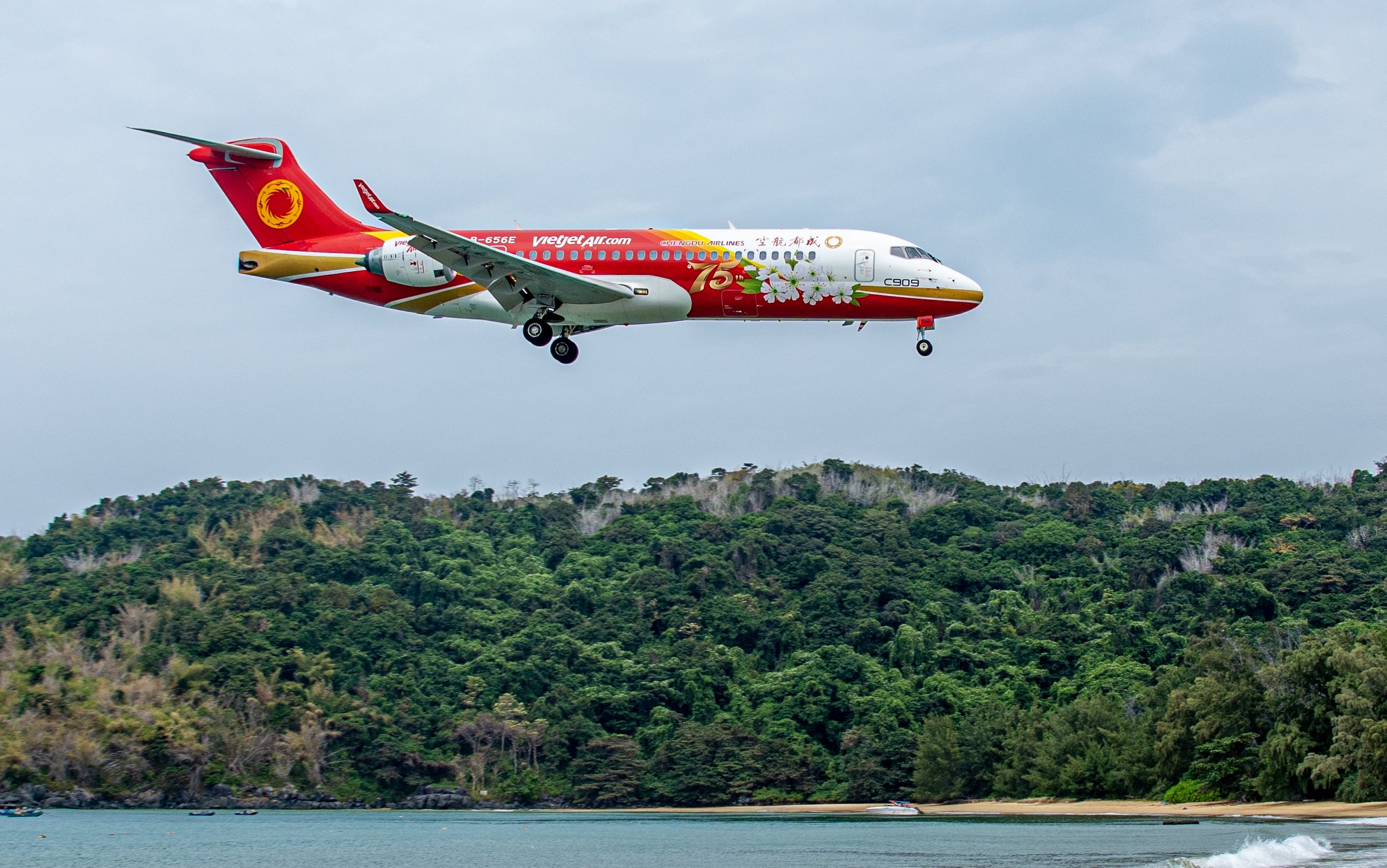
Vietjet, Vietnam’s low-cost carrier, has ceased operations of its two COMAC C909 aircraft following the expiration of a six-month lease agreement on October 18. This development poses a challenge to China’s strategy of integrating home-grown aircraft into Southeast Asia’s competitive aviation market. The article underscores the evolving landscape of aviation technology and the strategic moves of airlines in the region.
Key Points:
- Vietjet has terminated its lease on two COMAC C909 aircraft, marking the end of a six-month operational period.
- The termination of the lease is attributed to the expiration of the agreement on October 18, 2023.
- This move is seen as a setback for China’s efforts to establish its home-grown aircraft in Southeast Asia’s aviation sector.
- The article highlights the broader implications for the travel industry, particularly in terms of aviation technology and market dynamics.
Actionable Takeaways:
-
Impact on China’s Aviation Strategy: The cessation of Vietjet’s COMAC C909 operations signals a potential setback for China’s ambitions to dominate the Southeast Asian aviation market with domestically produced aircraft. This could prompt a reevaluation of China’s strategies in the aviation sector, possibly leading to increased investment in local aviation infrastructure or partnerships with other airlines to bolster market presence.
-
Opportunities for Regional Airlines: The article suggests that the departure of Vietjet’s C909 fleet may create opportunities for other regional airlines to fill the gap, potentially leading to increased competition and innovation in the Southeast Asian aviation market. This could drive advancements in travel tech and operational efficiencies as airlines adapt to the changing landscape.
- Focus on Lease Agreements and Fleet Management: The article underscores the importance of strategic lease agreements in the aviation sector. For airlines, managing lease terms and fleet composition becomes crucial in navigating market dynamics and technological advancements. This highlights the need for airlines to maintain flexible and forward-looking leasing strategies to adapt to market changes effectively.
Contextual Insights:
The termination of Vietjet’s COMAC C909 operations is reflective of the broader trends in the aviation industry, where technological advancements and market competition play pivotal roles. The article’s context is set against the backdrop of China’s strategic investments in aviation technology and its efforts to establish a strong presence in Southeast Asia. This move aligns with the ongoing global trend of airlines seeking to balance cost-efficiency with technological innovation. Furthermore, the article hints at the growing significance of lease agreements in fleet management, a trend that is likely to influence future decisions in the aviation sector. As the industry continues to evolve, staying abreast of such developments will be crucial for stakeholders aiming to maintain competitive advantage.
Read the Complete Article.


