












Article Summary:
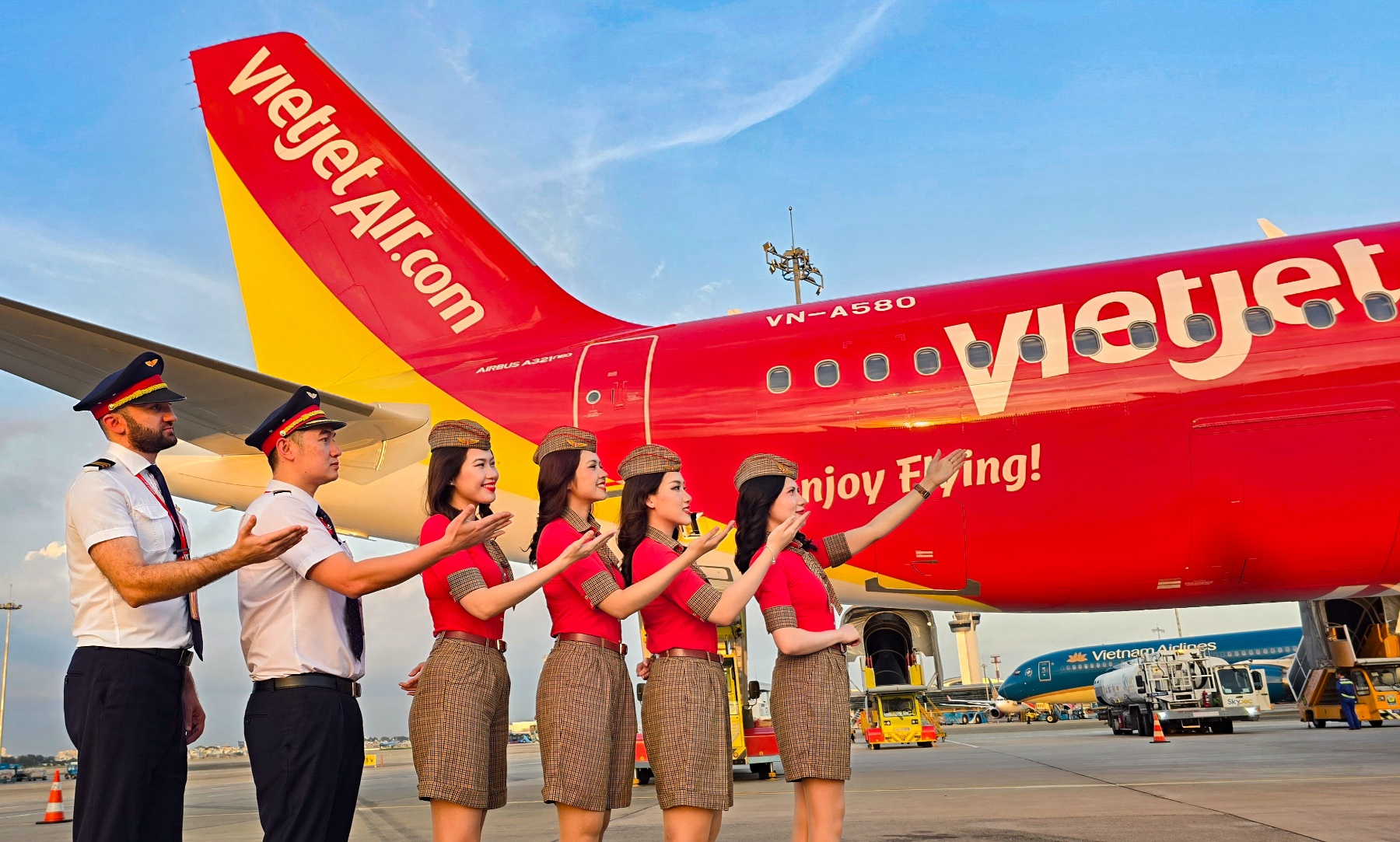
Vietjet has expanded its fleet by adding a new A321neo ACF aircraft, registered VN-A580, as part of its major year-end expansion. This move positions the airline to induct 22 aircraft within a single month, marking a significant milestone in its fleet growth. The airline aims to strengthen its presence for the upcoming peak travel period, particularly for travelers from India heading to Vietnam. The scale of this expansion is equivalent to the complete fleet size of a standalone airline, indicating a substantial increase in seats, availability, and planning ease for travelers.
Key Points:
- Vietjet added a new A321neo ACF aircraft (VN-A580) to its fleet as part of a major year-end expansion.
- The airline plans to induct 22 aircraft within a single month, a significant milestone for its fleet growth.
- This expansion is designed to accommodate more travelers from India to Vietnam, enhancing seat availability and planning ease.
- The fleet expansion is equivalent to the size of a standalone airline, underscoring Vietjet’s aggressive growth strategy.
Actionable Takeaways:
- Increased Fleet Capacity: Vietjet’s addition of 22 aircraft within a month signifies a substantial increase in fleet capacity. This expansion is likely to enhance travel options for passengers, particularly from India to Vietnam, by providing more seats and improved flight availability. This move could be a strategic response to the growing demand for air travel during peak periods, reflecting a broader industry trend towards fleet expansion to meet rising travel needs.
- Strategic Positioning for Peak Travel: By inducting a significant number of new aircraft in a short period, Vietjet is positioning itself strongly for the upcoming peak travel season. This strategic move could help the airline capture a larger market share and improve its competitive edge in the travel industry. It also highlights the airline’s commitment to meeting the increasing demand for air travel, especially from key source markets like India.
- Market Expansion and Growth: The scale of Vietjet’s expansion, equivalent to the fleet size of a standalone airline, indicates a robust growth strategy. This expansion could lead to increased market presence and revenue for the airline, as it aims to capture a larger share of the market. For stakeholders, this expansion presents opportunities for partnerships, collaborations, or investments in the airline sector, particularly in regions where Vietjet is expanding its operations.
Contextual Insights:
The article reflects the ongoing trend in the travel industry towards fleet expansion and strategic growth initiatives. As airlines seek to meet the increasing demand for air travel, particularly during peak travel seasons, we are witnessing a surge in fleet additions across various airlines. Vietjet’s aggressive expansion strategy aligns with this broader industry trend, where airlines are leveraging new aircraft to enhance their service offerings and capture market share.
Moreover, the focus on expanding the fleet to accommodate travelers from specific source markets, such as India to Vietnam, underscores the importance of regional connectivity in the travel industry. As globalization continues to drive travel demand, airlines are increasingly targeting key source markets to expand their customer base and revenue streams. Vietjet’s strategic move to enhance its presence in this route exemplifies the growing emphasis on regional connectivity and the role of airlines in facilitating travel between major markets.
In the context of travel tech and innovation, the article also hints at the broader industry trend towards leveraging technology to enhance operational efficiency and customer experience. While the article does not delve into specific technological advancements, it aligns with the industry’s ongoing shift towards digital transformation, where airlines are increasingly adopting advanced technologies to streamline operations, improve passenger services, and stay competitive in a rapidly evolving market.
Overall, Vietjet’s fleet expansion serves as a case study in the broader industry trend of strategic growth initiatives aimed at meeting rising travel demand, enhancing service offerings, and positioning airlines for success in a competitive landscape.
Read the Complete Article.


