












Comprehensive Summarization:
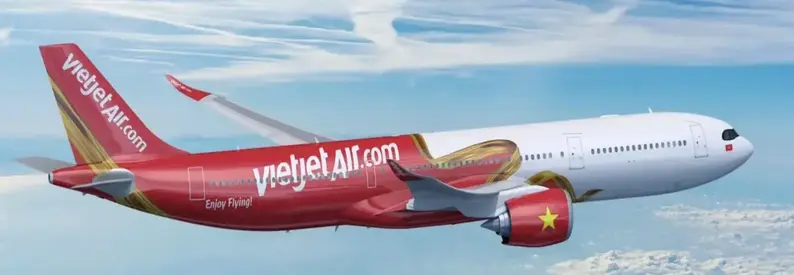
VietJet Air is expanding its presence in China by launching five new direct routes and leasing ten COMAC C909 jets. This strategic move comes as many global carriers are reducing operations due to high fuel costs. The new routes connect Vietnam with key Chinese cities such as Hangzhou, Enshi, Huangshan, Ho Chi Minh City, and Guilin. The airline’s expansion strategy is aimed at capitalizing on the growing demand for air travel between Vietnam and China, despite the economic challenges faced by the global aviation industry.
Key Points:
- VietJet Air is launching five new direct routes to China, enhancing connectivity between Vietnam and key Chinese cities.
- The airline has secured additional aircraft capacity by leasing ten COMAC C909 jets, demonstrating a proactive approach to expanding its fleet.
- The expansion is occurring at a time when many global carriers are scaling back operations due to high fuel costs, highlighting VietJet Air’s strategic foresight.
- The new routes include Hanoi–Hangzhou, Hanoi–Enshi, Hanoi–Huangshan, Huangshan–Ho Chi Minh City, and Ho Chi Minh City–Guilin, showcasing a focus on major Chinese tourist destinations.
Actionable Takeaways:
-
Strategic Expansion Opportunity: VietJet Air’s expansion into China represents a significant opportunity for other travel companies to explore similar market entry strategies, especially in regions where demand is high but competition is moderate. This could lead to increased collaboration or partnerships between airlines to share routes and resources.
-
Focus on Fuel Efficiency: The decision to lease modern jets like the COMAC C909, which are likely more fuel-efficient, underscores the importance of investing in sustainable aviation technologies. Travel companies should consider similar investments to reduce operational costs and align with global sustainability trends.
-
Market Demand Analysis: The launch of new routes indicates a strong demand for air travel between Vietnam and China. Travel tech startups and fintech companies could leverage this trend by developing tools that help travelers easily compare and book multi-city itineraries, thereby enhancing the travel experience and potentially increasing booking volumes.
Contextual Understanding:
The article reflects the current challenges and opportunities within the global aviation industry, particularly in light of rising fuel costs and fluctuating travel demand. VietJet Air’s strategic move to expand into China aligns with broader industry trends where airlines are seeking to optimize their routes and fleet to maintain profitability. The focus on leveraging modern, fuel-efficient aircraft also highlights the industry’s shift towards sustainability, a trend that is increasingly being adopted by startups and established players alike. Furthermore, the timing of this expansion amidst a period of reduced operations for many global carriers suggests that VietJet Air is strategically positioned to capture market share in a competitive landscape.
Handling Different Article Types:
The article provided is a news blurb, offering factual information about VietJet Air’s expansion strategy. For opinion pieces or feature articles, the approach would involve analyzing the author’s perspective, evaluating the implications of the discussed trends or innovations, and providing insights that align with the article’s central theme. Regardless of the article type, the output must strictly adhere to the facts and context provided, ensuring accuracy and relevance to the professional audience.
Read the Complete Article.


