












Article Summary:
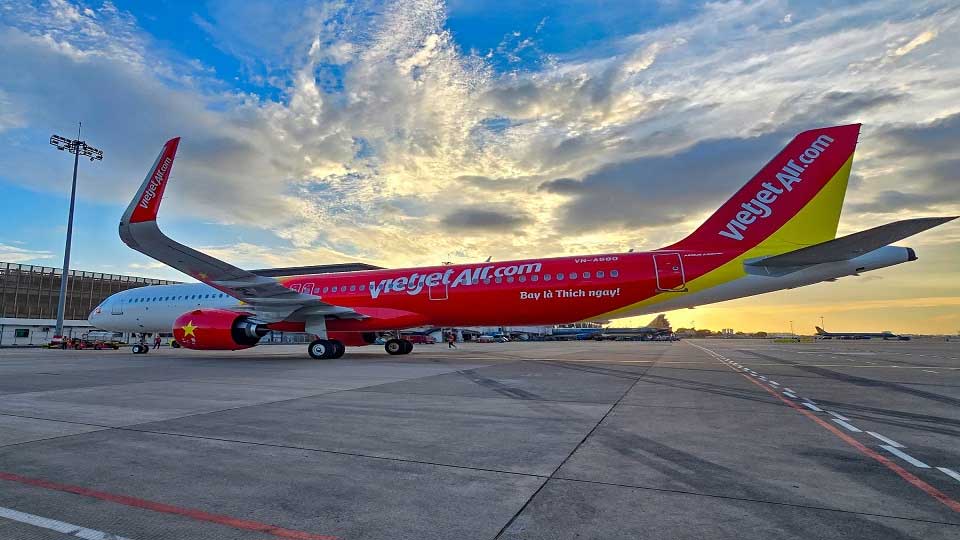
Vietjet, Vietnam’s budget airline, is on track to conclude 2025 with its largest-ever fleet expansion, set to receive 22 new aircraft before the year’s end. The airline has already received an Airbus A321neo ACF (VN-A580) as a significant milestone. The new aircraft are being distributed across various operations, including Vietjet Thailand, Vietnam fleet, and wet-lease aircraft for peak periods. This expansion underscores Vietjet’s commitment to growth and modernization in the competitive travel industry.
Key Points:
- Vietjet plans to expand its fleet by 22 new aircraft before the end of 2025.
- The airline received its first new aircraft, an Airbus A321neo ACF (VN-A580), during the Christmas season.
- The new aircraft are being allocated to different operations: nine Boeing jets for Vietjet Thailand, seven next-gen Airbus planes for the Vietnam fleet, and four wet-lease aircraft for peak periods.
- This expansion highlights Vietjet’s strategic focus on growth and modernization within the travel industry.
Actionable Takeaways:
- Fleet Expansion Strategy: Vietjet’s plan to acquire 22 new aircraft before 2025’s end signals a robust growth strategy in the airline sector. This expansion could lead to increased capacity and service offerings, potentially attracting more passengers and enhancing market competitiveness. For stakeholders, this presents an opportunity to analyze and possibly invest in airlines with similar expansion plans, anticipating increased market presence and service quality.
- Technological Integration: The acquisition of Airbus A321neo aircraft, known for their fuel efficiency and advanced technology, reflects a trend towards integrating modern technology in the airline industry. Companies in the travel sector, particularly those focusing on sustainability and operational efficiency, should consider adopting similar technologies to remain competitive. This takeaway emphasizes the importance of technological advancement in driving future growth and sustainability in travel logistics.
Contextual Insights:
Vietjet’s ambitious fleet expansion aligns with broader industry trends towards modernization and technological integration. The airline’s focus on acquiring newer, more efficient aircraft reflects a global shift in the travel sector towards sustainability and operational excellence. This move is particularly relevant in the context of rising passenger expectations for safety, comfort, and environmental responsibility. For the travel industry, this underscores the importance of continuous investment in fleet modernization and technological innovation to meet evolving consumer demands and regulatory standards. Additionally, the timing of this expansion during a period of post-pandemic recovery suggests a strategic response to increased travel demand, positioning Vietjet to capitalize on the rebound in air travel. This contextual analysis highlights the interconnectedness of fleet expansion, technological advancements, and market dynamics in shaping the future of the travel industry.
Read the Complete Article.


