












Comprehensive Summarization:
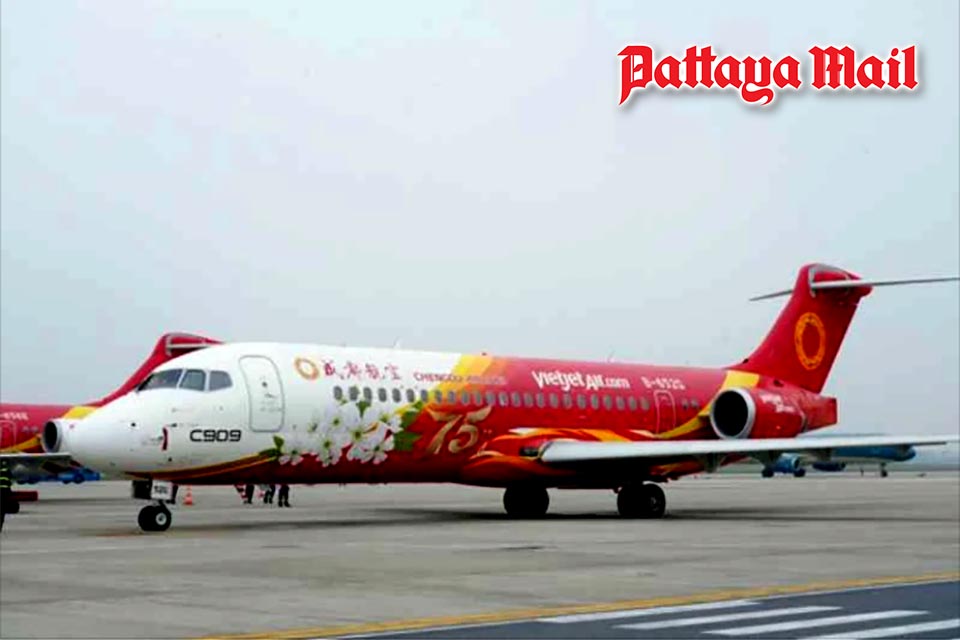
VietJet Air, Vietnam’s low-cost carrier, has entered into an agreement to lease up to 10 C909 passenger aircraft manufactured in China. This move underscores Beijing’s strategic efforts to challenge the duopoly held by Airbus and Boeing in the global aviation market. The agreement highlights the growing aviation ties between Vietnam and China, signaling a shift in the international aviation landscape. The article provides a snapshot of the evolving dynamics in the global aviation sector, particularly the increasing influence of Chinese aircraft manufacturers in the international market.
Key Points:
- VietJet Air has signed an agreement to lease up to 10 C909 passenger aircraft from China.
- This move reflects Beijing’s strategy to expand its presence in the global aviation market and challenge the dominance of Airbus and Boeing.
- The agreement underscores the growing aviation ties between Vietnam and China, indicating a shift in the international aviation landscape.
Actionable Takeaways:
-
Strategic Shift in Aviation Market: VietJet Air’s decision to lease Chinese-made C909 jets marks a significant strategic shift in the global aviation market. This move could potentially open new avenues for collaboration and competition between Vietnamese and Chinese aviation sectors. For industry stakeholders, this could mean increased opportunities for partnerships, technology sharing, and market expansion in the Asia-Pacific region.
-
Emerging Role of Chinese Aircraft Manufacturers: The article highlights the increasing influence of Chinese aircraft manufacturers in the global market. For startups and established players in the aviation sector, this trend could signal a need to adapt to changing market dynamics. Companies may need to explore partnerships or acquisitions to remain competitive, particularly in regions where Chinese manufacturers are gaining traction.
-
Vietnam-China Aviation Cooperation: The agreement between VietJet Air and China’s aircraft manufacturer underscores the deepening aviation cooperation between Vietnam and China. For policymakers and industry analysts, this could indicate a broader trend of strategic partnerships in the aviation sector. Such collaborations could lead to advancements in technology, infrastructure development, and shared market growth, benefiting both countries’ economies.
Contextual Understanding:
The article is set against the backdrop of a rapidly evolving global aviation market, where traditional market leaders like Airbus and Boeing face increasing competition from emerging players like China’s C909 jets. This shift is part of a broader trend where countries are leveraging their domestic aviation industries to gain a competitive edge in the global market. The Vietnam-China aviation partnership exemplifies this trend, showcasing how strategic collaborations can drive innovation and growth in the aviation sector. Furthermore, the article reflects the current emphasis on regional partnerships in the travel industry, as countries seek to enhance their global connectivity and market presence.
Handling Different Article Types:
The article falls under the category of a news brief, providing factual information about a significant development in the aviation sector. The structured output format ensures that the key points and actionable takeaways are clearly delineated, making the information easily digestible for a professional audience. The contextual insights provided offer a forward-looking perspective, aligning with the latest travel trends and industry expert opinions on the evolving dynamics of the global aviation market.
markdown
Comprehensive Summarization:
VietJet Air has signed an agreement to lease up to 10 C909 passenger aircraft from China, reflecting Beijing’s strategy to challenge Airbus and Boeing’s dominance in the global aviation market. This move highlights the growing aviation ties between Vietnam and China, signaling a shift in the international aviation landscape.
Key Points:
- VietJet Air has signed an agreement to lease up to 10 C909 passenger aircraft from China.
- This move reflects Beijing’s strategy to expand its presence in the global aviation market and challenge the dominance of Airbus and Boeing.
- The agreement underscores the growing aviation ties between Vietnam and China, indicating a shift in the international aviation landscape.
Actionable Takeaways:
- Strategic Shift in Aviation Market: VietJet Air’s decision to lease Chinese-made C909 jets marks a significant strategic shift in the global aviation market. This move could potentially open new avenues for collaboration and competition between Vietnamese and Chinese aviation sectors. For industry stakeholders, this could mean increased opportunities for partnerships, technology sharing, and market expansion in the Asia-Pacific region.
- Emerging Role of Chinese Aircraft Manufacturers: The article highlights the increasing influence of Chinese aircraft manufacturers in the global market. For startups and established players in the aviation sector, this trend could signal a need to adapt to changing market dynamics. Companies may need to explore partnerships or acquisitions to remain competitive, particularly in regions where Chinese manufacturers are gaining traction.
- Vietnam-China Aviation Cooperation: The agreement between VietJet Air and China’s aircraft manufacturer underscores the deepening aviation cooperation between Vietnam and China. For policymakers and industry analysts, this could indicate a broader trend of strategic partnerships in the aviation sector. Such collaborations could lead to advancements in technology, infrastructure development, and shared market growth, benefiting both countries’ economies.
Contextual Insights:
The article reflects the current emphasis on regional partnerships in the travel industry, as countries seek to enhance their global connectivity and market presence. The Vietnam-China aviation partnership exemplifies this trend, showcasing how strategic collaborations can drive innovation and growth in the aviation sector. This shift in the aviation market underscores the broader trend of countries leveraging their domestic aviation industries to gain a competitive edge globally.
Read the Complete Article.


