












Article Summary:
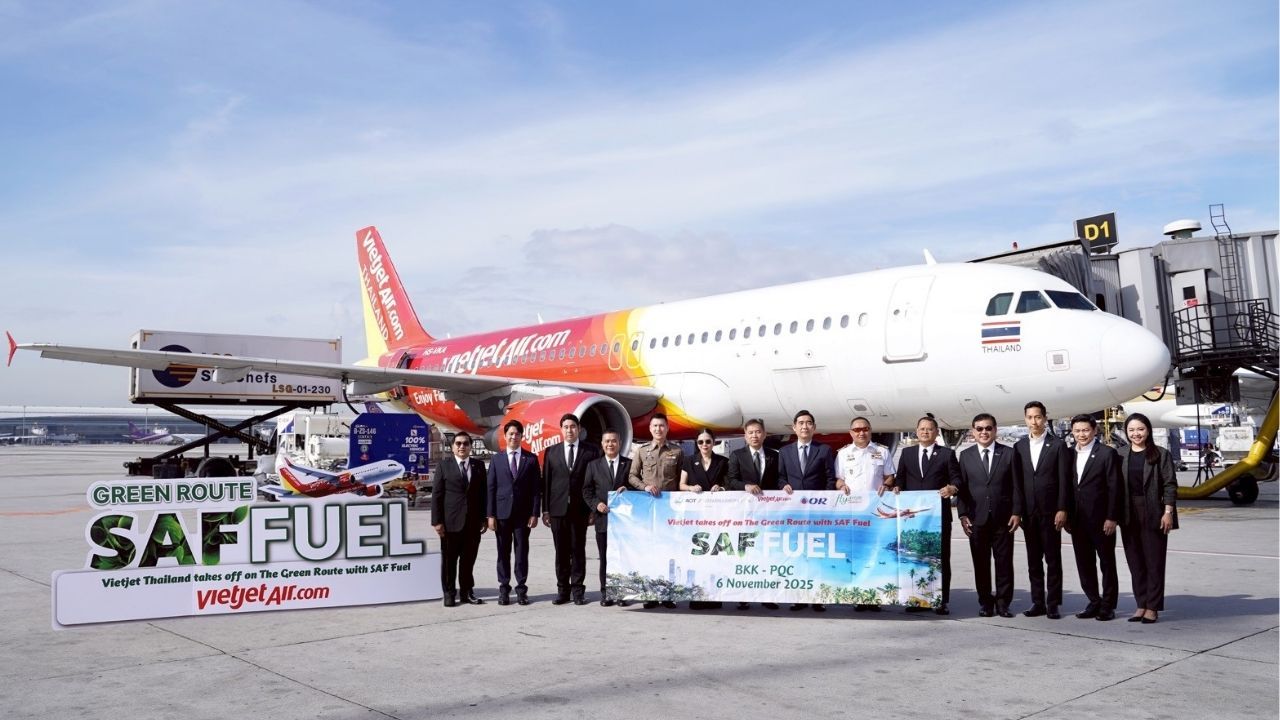
Vietjet Thailand, a budget airline, has initiated flights using sustainable aviation fuel (SAF) on its Bangkok–Phu Quoc route, blending 1% SAF. This marks the airline’s entry into green operations while it faces challenges with delayed aircraft deliveries due to external disruptions.
Key Points:
- Vietjet Thailand has launched flights using a 1% blend of sustainable aviation fuel (SAF) on the Bangkok–Phu Quoc route.
- The airline plans to expand SAF usage to other flights, indicating a commitment to green operations.
- Vietjet Thailand is grappling with delays in new aircraft deliveries, impacting its operational timeline.
Actionable Takeaways:
- Adoption of Sustainable Aviation Fuel: Airlines should consider integrating SAF into their operations to reduce carbon emissions, aligning with global trends towards sustainable travel. This move by Vietjet Thailand demonstrates that budget airlines can also adopt green technologies, potentially setting a precedent for cost-effective sustainability measures in the industry.
- Impact of Supply Chain Disruptions: The article highlights the challenges airlines face with delayed aircraft deliveries. This underscores the importance of supply chain resilience in the travel industry. Companies should explore strategies to mitigate risks associated with supply chain disruptions, such as diversifying suppliers or investing in predictive maintenance technologies.
- Market Positioning and Innovation: Vietjet Thailand’s initiative positions the airline as a leader in sustainable travel within the budget segment. This could attract environmentally conscious travelers and differentiate the airline in a competitive market. Other airlines and startups in the travel tech sector should explore innovative solutions to enhance sustainability and operational efficiency, potentially leveraging SAF or other green technologies.
Contextual Insights:
The adoption of sustainable aviation fuel by Vietjet Thailand reflects a broader industry trend towards sustainability, driven by increasing environmental awareness and regulatory pressures. This aligns with recent insights from travel thought leaders who emphasize the importance of integrating green technologies into airline operations. As the travel industry continues to evolve, startups and established airlines alike are exploring innovative solutions to reduce their carbon footprint. The challenges faced by Vietjet Thailand, such as delays in aircraft deliveries, highlight the need for agile supply chain management and investment in technologies that can streamline operations. Moving forward, the travel industry should focus on balancing sustainability goals with operational feasibility, ensuring that innovations contribute to both environmental and economic benefits.
Read the Complete Article.


