












Article Summary:
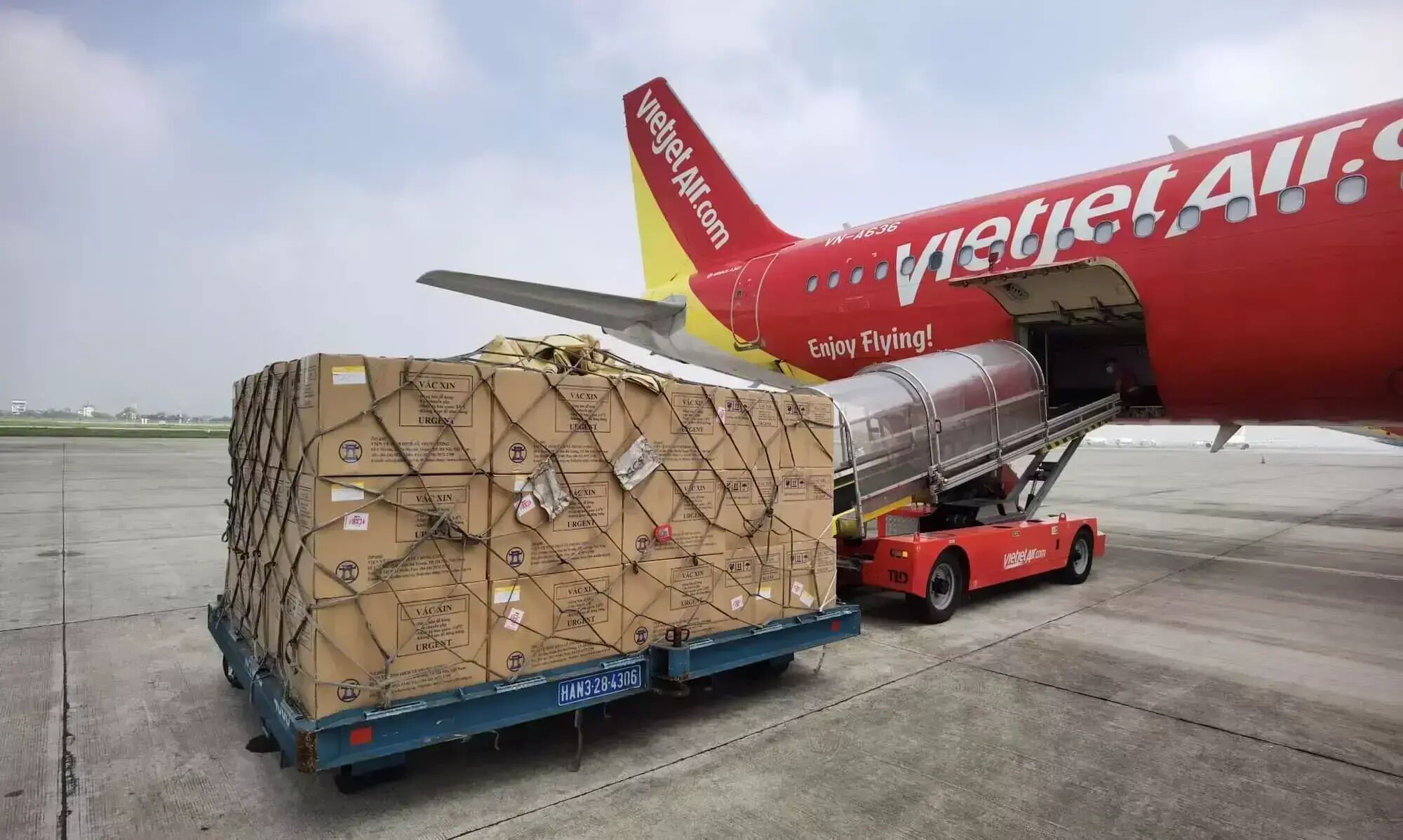
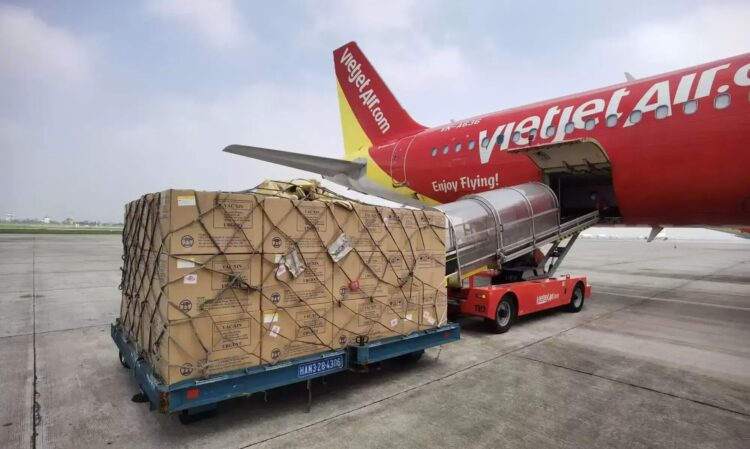
VietJet Air Cargo successfully transported 98 relief shipments, carrying over 165 tonnes of essential goods, to flood-hit central Vietnam between November 21 and 26. This operation was made possible due to the generosity and compassion of people across the country who contributed to the relief effort. Nelson Wu, Managing Director at VietJet Cargo, highlighted the collaborative efforts of VietJet teams across airport stations, communities, donors, and logistics partners in making this relief operation a success.
Key Points:
- VietJet Air Cargo transported 98 relief shipments, moving more than 165 tonnes of essential goods to flood-affected areas in central Vietnam.
- The relief operation was completed between November 21 and 26, 2023.
- Nelson Wu, Managing Director at VietJet Cargo, emphasized the role of public generosity and compassion in the success of the relief effort.
- VietJet teams worked closely with communities, donors, and logistics partners throughout the operation.
Actionable Takeaways:
- Enhanced Collaboration in Disaster Relief: The article underscores the importance of collaboration between logistics companies, communities, donors, and logistics partners in disaster relief efforts. Travel and logistics companies can leverage such collaborative models to improve their response times and efficiency in emergency situations. This approach not only aids in immediate relief but also builds long-term trust and goodwill with communities.
- Importance of Public Compassion and Generosity: The success of the relief operation highlights the significant role of public compassion and generosity in humanitarian efforts. Travel and logistics companies can foster a culture of giving and encourage their employees and stakeholders to contribute to such causes. This can enhance corporate social responsibility (CSR) initiatives and improve brand reputation in the eyes of the public and stakeholders.
Contextual Insights:
The article reflects the ongoing challenges faced by regions affected by natural disasters and the critical role of logistics companies in providing timely relief. In the context of the travel industry, this scenario highlights the need for robust disaster preparedness and response strategies. Companies can benefit from integrating real-time logistics tracking systems and collaborating with local authorities and NGOs to streamline relief operations. Furthermore, the article aligns with current travel trends emphasizing sustainability and corporate social responsibility, as relief efforts often involve the use of eco-friendly transport options and community engagement. This incident also underscores the potential for travel startups to innovate in disaster relief logistics, offering specialized services that can be scaled during emergencies.
Read the Complete Article.


