












Article Summary:
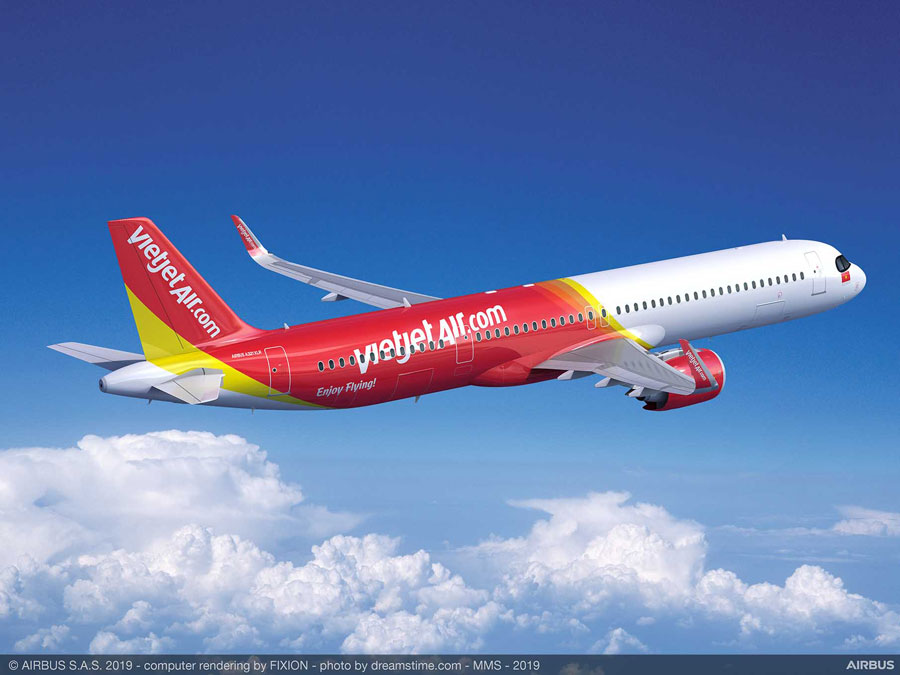
VietJet Air has placed a firm order for 100 Airbus A321neo aircraft, bringing its total orders for this model to 280. This order was confirmed at the Paris Air Show in June. Additionally, VietJet Air announced plans to place an extra 20 orders for Airbus A330neo aircraft in May. The company also secured a deal with Rolls-Royce for 92 Trent 7000 engines and a comprehensive TotalCare service valued at USD 3.8 billion. These developments highlight VietJet Air’s commitment to expanding its fleet with advanced, fuel-efficient aircraft and enhancing its operational capabilities through strategic partnerships.
Key Points:
- VietJet Air has ordered 100 Airbus A321neo aircraft, increasing its total A321neo orders to 280.
- The company plans to add 20 more Airbus A330neo aircraft to its fleet, as announced in May.
- VietJet Air has secured a deal with Rolls-Royce for 92 Trent 7000 engines and a TotalCare service worth USD 3.8 billion.
- These orders and partnerships reflect VietJet Air’s strategic focus on modernizing its fleet with advanced aircraft and improving operational efficiency through technological and service innovations.
Actionable Takeaways:
- Strategic Fleet Expansion: VietJet Air’s significant investment in Airbus A321neo and A330neo aircraft demonstrates a strong commitment to modernizing its fleet with fuel-efficient, advanced aircraft. This move is likely to enhance operational efficiency and reduce long-term costs, positioning VietJet Air competitively in the global aviation market.
- Partnership with Rolls-Royce: The agreement with Rolls-Royce for 92 Trent 7000 engines and a TotalCare service underscores VietJet Air’s focus on leveraging cutting-edge technology and comprehensive support services. This partnership is expected to improve aircraft reliability and maintenance efficiency, reducing downtime and operational costs.
- Market Positioning: By expanding its fleet with state-of-the-art aircraft and securing advanced engine and service agreements, VietJet Air is likely to strengthen its market position. This strategic move could attract more business travelers and airlines looking for reliable, efficient, and technologically advanced partners, potentially leading to increased market share and revenue growth.
Contextual Insights:
The article reflects the ongoing trend in the aviation industry towards modernizing fleets with fuel-efficient, advanced aircraft to reduce operational costs and environmental impact. VietJet Air’s strategic investments in Airbus A321neo and A330neo aircraft, coupled with its partnership with Rolls-Royce, align with broader industry trends towards sustainability and technological innovation. These developments are indicative of a broader shift in the travel industry towards digital transformation, where airlines are increasingly leveraging technology and strategic partnerships to enhance operational efficiency, reduce costs, and improve service quality. The focus on advanced aircraft and comprehensive service agreements also highlights the growing importance of operational excellence and technological integration in the competitive aviation sector. As travel technology continues to evolve, such strategic moves by airlines will likely become more prevalent, shaping the future landscape of the travel industry.
Read the Complete Article.


