












Comprehensive Summarization:
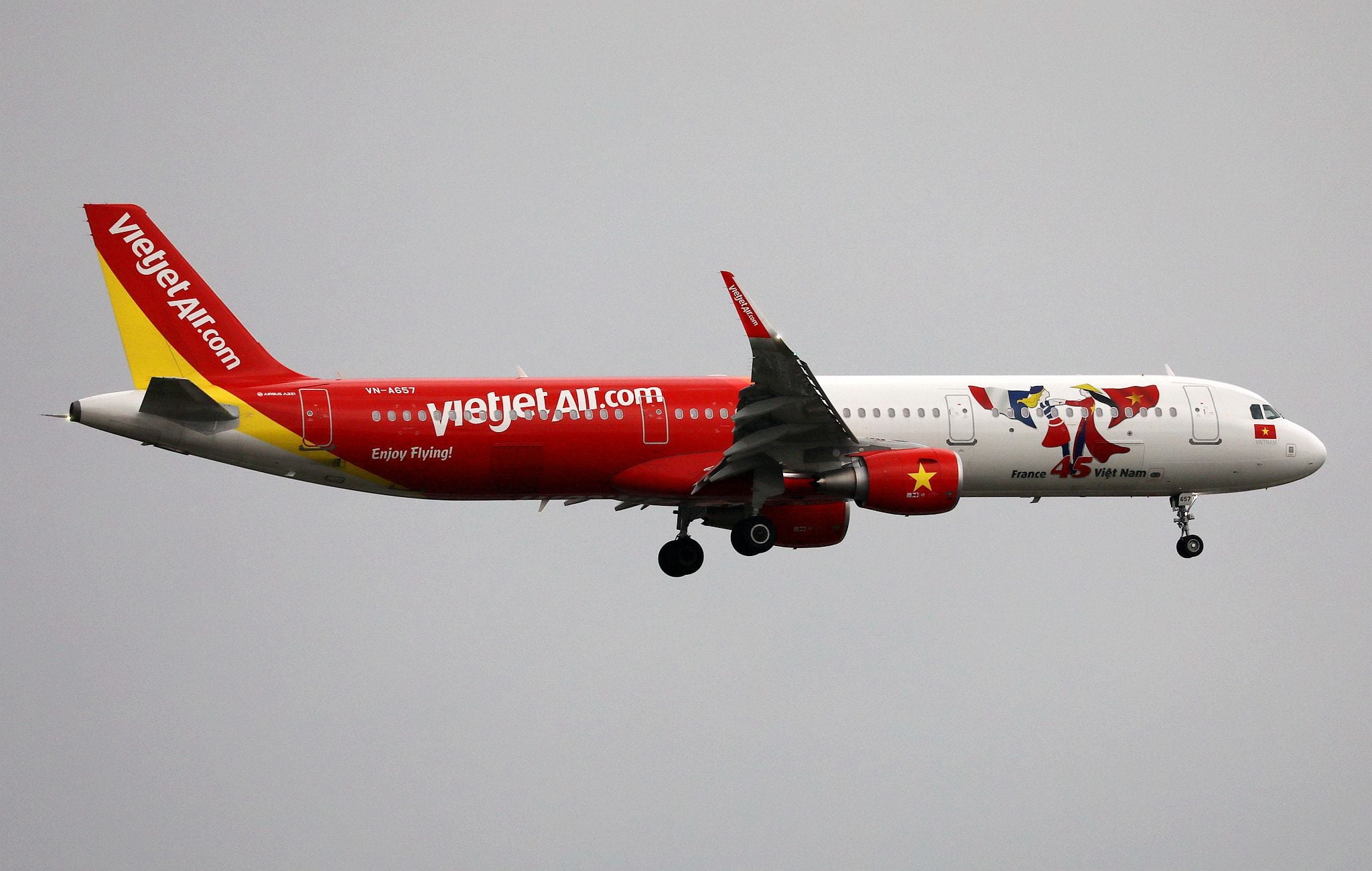
VietJet Air, a Vietnamese low-cost carrier, has announced a delay in the launch of its direct route from Hanoi to Prague. Initially planned for July, the service will now commence in October. The flights were initially set to operate with a stopover in Almaty, Kazakhstan, but would still be classified as direct. This delay highlights the challenges faced by new entrants in the European market and the complexities involved in establishing new routes, even for low-cost carriers.
Key Points:
- VietJet Air announced a new direct route from Hanoi to Prague, initially planned for July.
- The route was to be operated with a stopover in Almaty, Kazakhstan, but classified as direct.
- Due to unforeseen circumstances, the launch has been delayed to October.
- VietJet Air’s entry into the European market represents a significant development in the travel industry.
Actionable Takeaways:
-
Market Entry Challenges: The delay in VietJet Air’s route launch underscores the challenges new entrants face in establishing new routes, particularly in the competitive European market. This could serve as a cautionary tale for other startups considering similar ventures.
-
Route Complexity and Logistics: The planned stopover in Almaty, Kazakhstan, despite being classified as direct, highlights the complexities involved in route planning and logistics. Travel companies must carefully consider all logistical aspects when planning new routes to ensure operational feasibility.
-
Timing and Market Conditions: The delay in the route launch could be indicative of broader market conditions affecting new route launches. Travel companies should closely monitor market conditions and be prepared to adjust timelines accordingly to mitigate risks.
Contextual Insights:
The delay in VietJet Air’s route launch reflects the broader challenges faced by travel startups in entering new markets. Recent trends indicate a growing interest in low-cost carriers and direct routes as consumers seek more affordable and convenient travel options. However, the complexities involved in route planning, including logistical challenges and market competition, can pose significant hurdles. Thought leaders in the travel industry emphasize the importance of thorough market research and strategic planning to navigate these challenges successfully. The delay also serves as a reminder of the need for flexibility in route planning, as unforeseen circumstances can impact the feasibility of new ventures.
Read the Complete Article.



