












Article Summary:
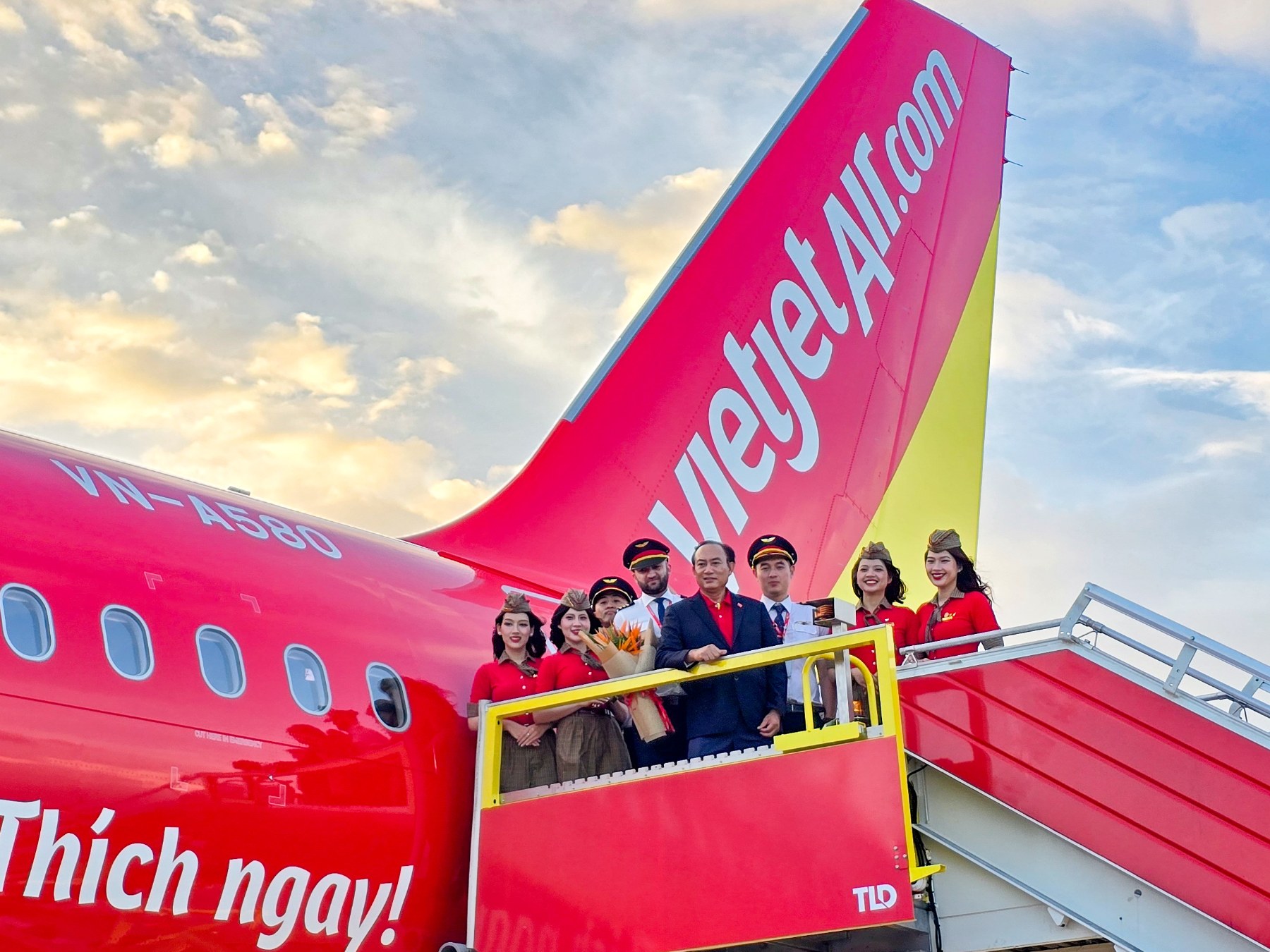
Vietjet Air is preparing for a significant fleet expansion in December, set to deliver 22 aircraft, including Airbus and Boeing jets, and two wet-leased COMAC aircrafts for Côn Đảo services. This expansion aims to meet the anticipated surge in travel demand ahead of the 2026 Lunar New Year. The move is a strategic response to global aircraft shortages and supply chain delays, enhancing Vietnam’s operations and expanding its international network.
Key Points:
- Vietjet Air plans to expand its fleet by 22 aircraft in December, including several Airbus and Boeing jets.
- The airline will also wet-lease two COMAC aircrafts for services to Côn Đảo.
- The expansion is a strategic move to prepare for increased travel demand leading up to the 2026 Lunar New Year.
- The move addresses global aircraft shortages and supply chain delays, strengthening Vietnam’s operations and international network.
Actionable Takeaways:
- Strategic Fleet Expansion: Vietjet Air’s decision to increase its fleet size by 22 aircraft, including advanced Airbus and Boeing models, demonstrates a proactive approach to meeting rising travel demand. This expansion is crucial for enhancing operational capacity and maintaining a competitive edge in the global aviation market. It reflects a broader industry trend where airlines are investing in modern fleets to improve efficiency and service quality.
- Adaptation to Supply Chain Challenges: By wet-leasing two COMAC aircrafts, Vietjet Air is navigating the challenges posed by global aircraft shortages and supply chain delays. This strategy highlights the importance of flexible leasing options in aviation, allowing airlines to adapt quickly to market conditions. It underscores the need for airlines to diversify their aircraft procurement strategies to mitigate risks associated with supply chain disruptions.
Contextual Insights:
The article’s focus on Vietjet Air’s fleet expansion is set against the backdrop of ongoing global aviation challenges, including supply chain disruptions and increased travel demand. This context is crucial for understanding the strategic importance of the expansion. As the travel industry continues to recover from the impacts of the COVID-19 pandemic, airlines are increasingly focusing on building resilient operations capable of handling fluctuating demand. The use of advanced aircraft models like the Airbus A321neo and Boeing jets signifies a commitment to modernizing operations and improving fuel efficiency and passenger comfort. Furthermore, the wet-lease of COMAC aircrafts for Côn Đảo services illustrates Vietjet Air’s strategic geographic expansion, targeting emerging markets and enhancing its international network. This move aligns with broader industry trends where airlines are leveraging leasing options to maintain flexibility and adaptability in an unpredictable market environment. The insights derived from this article highlight the critical role of strategic fleet management in navigating current industry challenges and positioning airlines for future growth.
Read the Complete Article.


