












Article Summary:
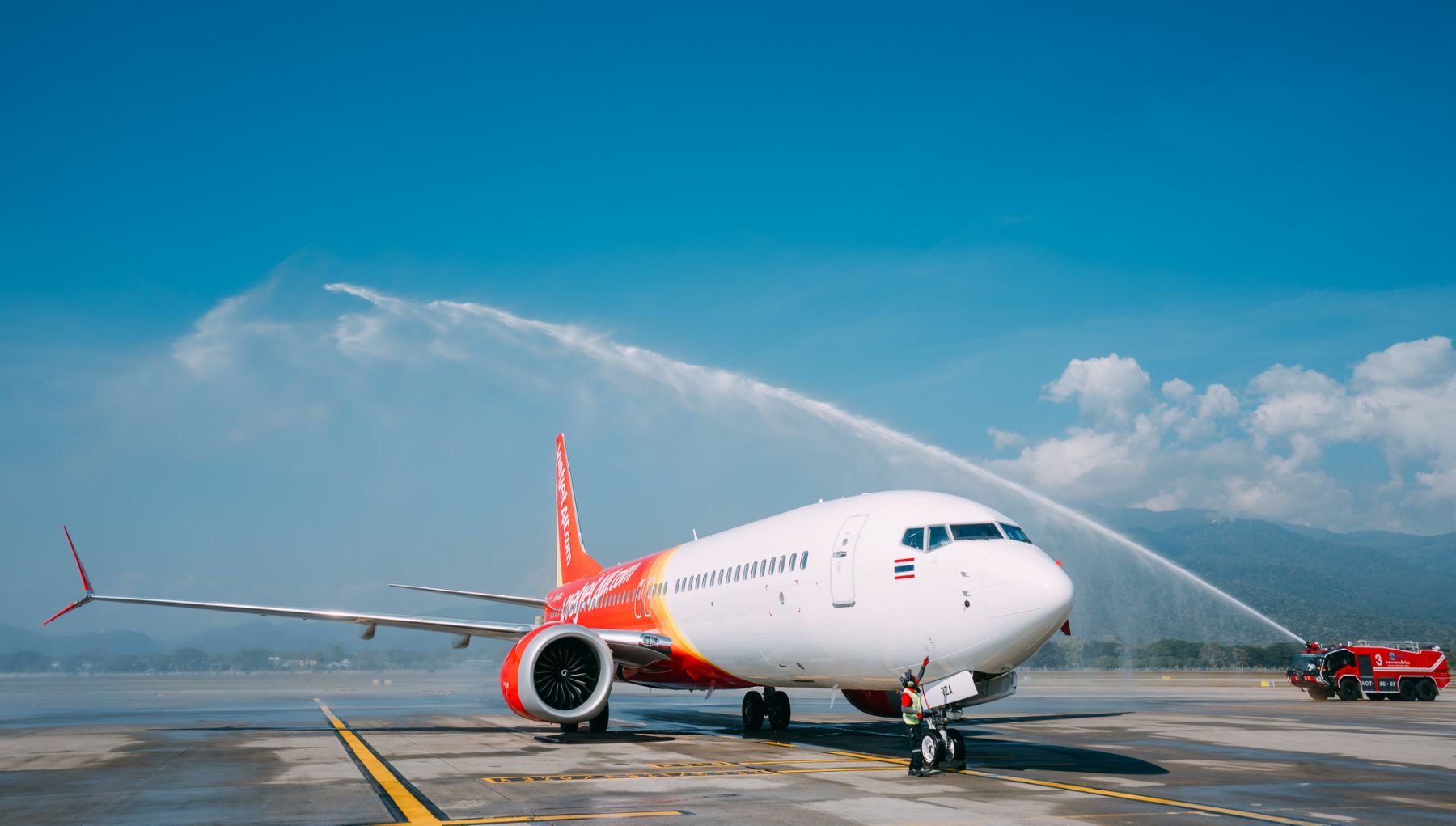
Vietjet Thailand has officially introduced its Boeing 737-8 aircraft into commercial service, marking a significant step in the airline group’s long-term strategy to develop a modern, large-scale, and market-based standardized fleet. The inaugural flight of the Boeing 737-8 is the beginning of Vietjet Thailand’s plan to deploy up to 50 new-generation aircraft, supporting rising travel demand and the continued expansion of the airline’s network across.
Key Points:
- Vietjet Thailand has introduced its Boeing 737-8 aircraft into commercial service.
- The airline aims to deploy up to 50 new-generation aircraft as part of its long-term strategy.
- The deployment of the Boeing 737-8 is seen as a significant step in developing a modern, large-scale, and market-based standardized fleet.
Actionable Takeaways:
- Expansion of Fleet: Vietjet Thailand’s introduction of the Boeing 737-8 and plans to deploy up to 50 new-generation aircraft indicate a strong focus on fleet expansion. This move is likely to enhance the airline’s capacity to meet rising travel demand, potentially leading to increased market share and profitability. It also reflects a broader industry trend towards modernizing fleets to improve efficiency and passenger experience.
- Strategic Fleet Development: The airline’s strategy to develop a modern, large-scale, and market-based standardized fleet suggests a commitment to operational excellence and competitive positioning. This approach could set a benchmark for other airlines in the region, encouraging them to invest in newer, more efficient aircraft to stay competitive in a rapidly evolving market.
Contextual Insights:
Vietjet Thailand’s introduction of the Boeing 737-8 and its strategic fleet expansion plans are indicative of the broader industry trend towards modernization and technological advancement in air travel. The airline’s focus on deploying up to 50 new-generation aircraft aligns with the current industry’s emphasis on improving operational efficiency, reducing environmental impact, and enhancing passenger experience through newer, more advanced aircraft. This move also underscores the growing importance of fleet modernization in the travel sector, as airlines seek to stay competitive in a market driven by rising travel demand and evolving consumer expectations. Furthermore, the deployment of newer aircraft can be seen as a response to the increasing demand for sustainable and efficient air travel solutions, reflecting a shift towards more environmentally friendly aviation practices.
Read the Complete Article.


