












Article Summary:
Vietjet has achieved a significant milestone by securing 22 new aircraft within a month, marking its largest fleet expansion to date. This expansion is expected to bolster the airline’s operations as travel demand increases, showcasing the airline’s strong financial foundation, international credibility, and operational resilience. The article highlights Vietjet’s ability to secure modern aircraft swiftly, underscoring its strategic positioning in the travel industry amidst surging demand.
Key Points:
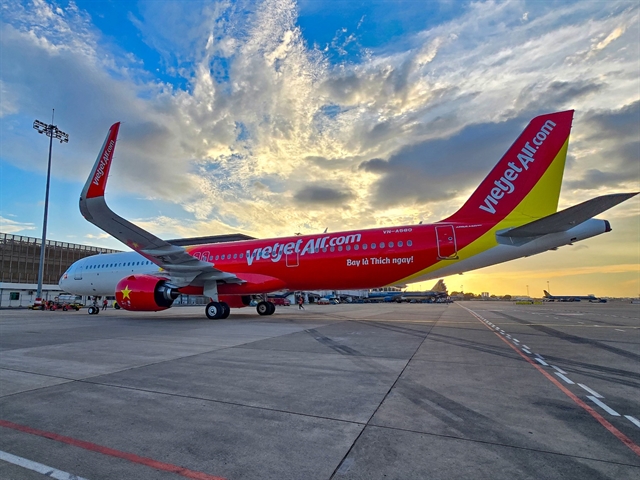
- Vietjet received its latest aircraft, an A321neo ACF, as part of its largest fleet expansion in history.
- The airline’s expansion is a response to the surge in travel demand, highlighting its operational resilience and strong financial standing.
- The acquisition of 22 new aircraft within a month underscores Vietjet’s commitment to growth and its ability to secure modern, efficient aircraft quickly.
- The expansion is positioned to enhance Vietjet’s year-end operations, capitalizing on the increased travel demand.
Actionable Takeaways:
- Strategic Fleet Expansion: Vietjet’s rapid acquisition of 22 new aircraft demonstrates a strategic approach to fleet growth, aligning with the current surge in travel demand. This move positions Vietjet favorably to meet increased passenger needs, potentially enhancing customer satisfaction and operational efficiency.
- Financial and Operational Resilience: The successful acquisition of modern aircraft within a short timeframe highlights Vietjet’s strong financial foundation and operational resilience. This resilience is crucial in navigating the uncertainties of the travel industry, ensuring the airline can adapt to market changes and maintain a competitive edge.
- Capitalizing on Travel Demand: The expansion is strategically timed to capitalize on the surge in travel demand, potentially leading to increased revenue and market share. This proactive approach to fleet growth in response to market conditions reflects a forward-thinking strategy that could set a benchmark for other airlines in the industry.
Contextual Insights:
The article reflects the current travel industry’s emphasis on adaptability and strategic growth in response to fluctuating demand. Vietjet’s ability to secure a large number of new aircraft swiftly underscores the importance of agility in fleet management, especially in a market characterized by rapid changes and high demand. This trend is particularly relevant for startups and established airlines alike, as they navigate the challenges and opportunities presented by evolving travel patterns. The focus on securing modern, efficient aircraft also highlights the ongoing trend towards technological advancements in the aviation sector, where airlines are increasingly investing in newer, more fuel-efficient models to reduce operational costs and environmental impact. For travel startups and fintech innovators, this development presents an opportunity to explore partnerships or collaborations that could enhance operational capabilities, such as shared fleet management or integrated travel solutions. The article’s emphasis on Vietjet’s financial and operational resilience also serves as a reminder of the critical role that financial stability plays in navigating the volatile travel industry, suggesting that fintech innovations aimed at improving financial management and risk mitigation could be particularly valuable for airlines looking to scale their operations.
Read the Complete Article.


