












Comprehensive Summarization:
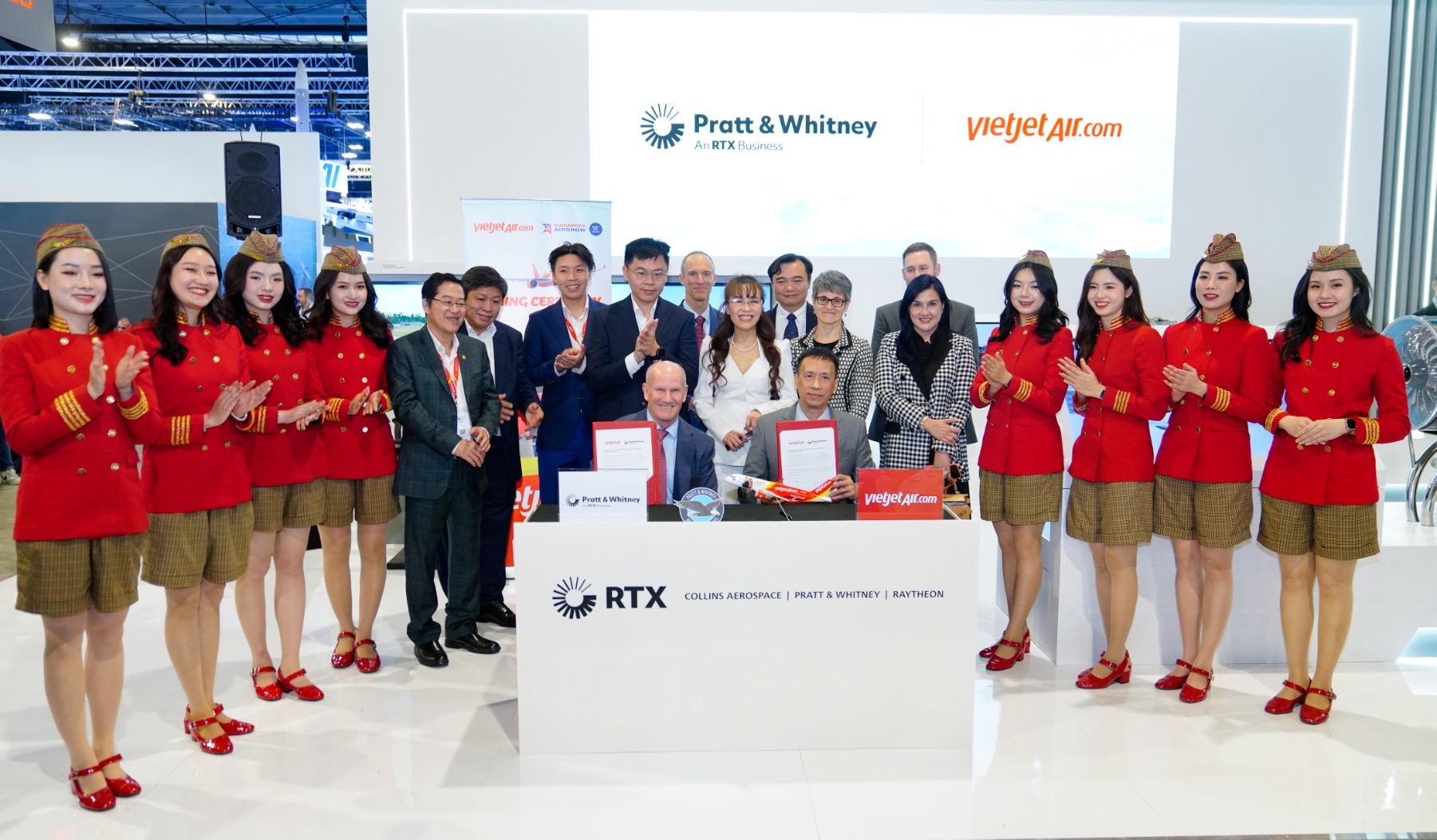
Vietjet Air has chosen RTX’s Pratt & Whitney GTF™ engines for an additional 44 Airbus A320neo family aircraft, expanding their commitment to next-generation propulsion technology. This order includes 24 A321neo and 20 A321XLR aircraft, bringing Vietjet’s total commitment to 137 GTF-powered aircraft. Deliveries are set to begin in July 2026, with Pratt & Whitney also providing engine maintenance support under a 12-year agreement. This development underscores the airline’s dedication to advanced propulsion technology and highlights the growing trend of airlines investing in sustainable and efficient aviation solutions.
Key Points:
- Vietjet Air has selected Pratt & Whitney GTF™ engines for 44 additional Airbus A320neo family aircraft.
- The order comprises 24 A321neo and 20 A321XLR aircraft, totaling 137 GTF-powered aircraft for Vietjet.
- Deliveries are scheduled to commence in July 2026, with Pratt & Whitney offering engine maintenance support for 12 years.
- This commitment highlights Vietjet’s long-term investment in next-generation propulsion technology.
Actionable Takeaways:
-
Investment in Sustainable Aviation: Vietjet Air’s decision to adopt Pratt & Whitney GTF™ engines signals a broader industry trend towards sustainable and efficient aviation solutions. Airlines are increasingly prioritizing engines that offer lower emissions and improved fuel efficiency, aligning with global efforts to reduce the carbon footprint of air travel. This move could set a precedent for other airlines to follow, potentially driving demand for similar engine technologies in the market.
-
Long-term Commitment to Technological Advancements: By committing to 137 GTF-powered aircraft over a 12-year period, Vietjet Air demonstrates a strategic focus on long-term technological advancements. This commitment not only underscores the airline’s dedication to innovation but also positions it as a forward-thinking player in the aviation sector. Such long-term investments in cutting-edge technology can enhance operational efficiency, reduce costs, and improve passenger experience, thereby strengthening Vietjet’s competitive position in the market.
Contextual Insights:
The article reflects the ongoing trend in the travel industry towards embracing advanced propulsion technologies to enhance operational efficiency and sustainability. As airlines seek to reduce their environmental impact and improve fuel efficiency, the adoption of engines like Pratt & Whitney’s GTF™ represents a significant step forward. This trend is further supported by the increasing emphasis on sustainable aviation practices, driven by both regulatory pressures and consumer demand for eco-friendly travel options. Moreover, the long-term nature of Vietjet Air’s commitment highlights the industry’s recognition of the importance of sustained investment in technological innovation to stay competitive in a rapidly evolving market. As such, this development not only underscores Vietjet Air’s strategic vision but also aligns with broader industry movements towards greener and more efficient aviation solutions.
Read the Complete Article.


