












Article Summary:
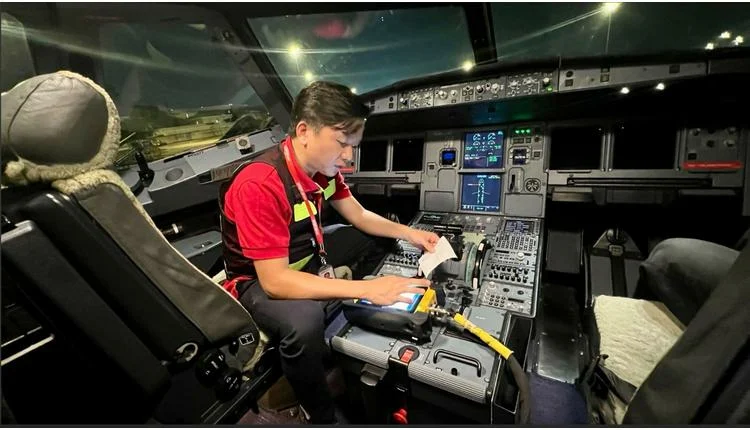
Vietjet, an airline operating in Vietnam, received an emergency directive from the European Union Aviation Safety Agency (EASA) on 28 November. The directive required all airlines to update critical flight-control software on nearly 6,000 A320-family aircraft within 32 hours. Vietjet, operating 69 of the 81 affected aircraft, responded immediately to meet the deadline and avoid grounding. This incident highlights the critical importance of timely software updates in the aviation industry to ensure safety and operational continuity.
Key Points:
- Vietjet was alerted by Airbus to update critical flight-control software on 6,000 A320-family aircraft within 32 hours.
- Vietjet, operating 69 of the 81 affected aircraft in Vietnam, initiated an immediate response to comply with the directive.
- The directive was issued by the European Union Aviation Safety Agency (EASA), emphasizing the global impact of aviation safety regulations.
Actionable Takeaways:
- Importance of Timely Software Updates in Aviation: The incident underscores the critical need for airlines to promptly update flight-control software to comply with safety regulations. This takeaway is relevant as it highlights the potential risks associated with delayed updates, which could lead to grounding of aircraft and operational disruptions. Ensuring timely updates is crucial for maintaining safety standards and operational efficiency in the aviation sector.
- Global Impact of Aviation Safety Regulations: The directive issued by the EASA highlights the interconnected nature of the global aviation industry. Airlines operating in multiple regions must adhere to international safety standards, regardless of their location. This takeaway is significant as it emphasizes the need for airlines to have robust compliance mechanisms in place to navigate the complexities of global aviation regulations.
Contextual Insights:
The incident involving Vietjet and the EASA directive reflects the broader trend of increased regulatory scrutiny in the aviation industry. As safety remains a paramount concern, airlines are increasingly required to implement stringent safety protocols and software updates. This trend is likely to continue, with regulatory bodies worldwide tightening their requirements to enhance aviation safety. For travel startups and fintech innovators, this context presents opportunities to develop solutions that facilitate compliance with safety regulations, streamline software updates, and enhance operational efficiency for airlines. By leveraging technology to support regulatory compliance, these companies can play a pivotal role in shaping the future of the aviation industry, ensuring safer and more efficient travel experiences for passengers worldwide.
Read the Complete Article.


