












Article Summary:
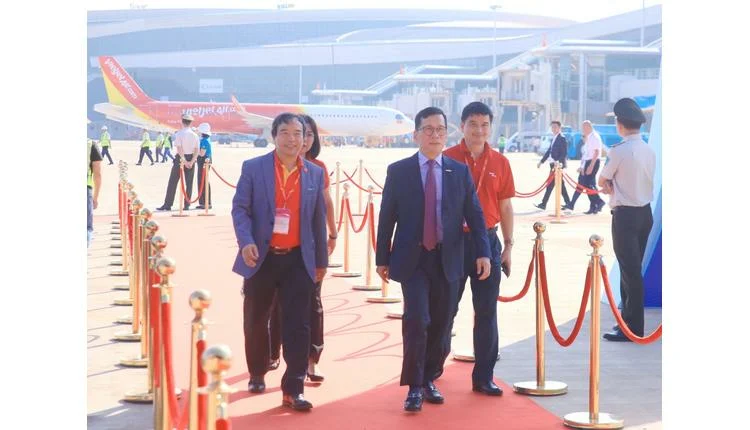
Vietjet has achieved two significant milestones at Long Thanh International Airport, which is set to become Vietnam’s largest airport once fully operational. The airline celebrated the topping-out of its international-standard aircraft maintenance facility and launched its inaugural flight to the airport. These developments underscore Vietjet’s commitment to enhancing aviation infrastructure for improved regional and global connectivity.
Key Points:
- Vietjet completed the construction of an international-standard aircraft maintenance facility at Long Thanh International Airport.
- The airline launched its inaugural flight to the airport, marking a significant step in enhancing its infrastructure.
- These developments highlight Vietjet’s dedication to improving aviation infrastructure for better regional and global connectivity.
Actionable Takeaways:
- Enhanced Connectivity and Infrastructure: Vietjet’s investment in upgrading its infrastructure at Long Thanh International Airport signifies a strategic move to bolster regional and global connectivity. This move is likely to attract more airlines and passengers, contributing to the airport’s growth and Vietnam’s position as a key aviation hub in Southeast Asia. (Relevance: Aligns with current industry trends focusing on expanding airport infrastructure to support increased air travel demand.)
- Commitment to Aviation Excellence: By launching its first flight to the new airport, Vietjet demonstrates a strong commitment to aviation excellence and operational efficiency. This initiative could set a benchmark for other airlines in Vietnam, encouraging a competitive push towards modernizing airport facilities. (Relevance: Reflects the ongoing trend of airlines investing in state-of-the-art facilities to enhance service quality and operational efficiency.)
Contextual Insights:
Vietjet’s achievements at Long Thanh International Airport reflect broader industry trends towards enhancing airport infrastructure to support the growing demand for air travel. As more countries aim to become major aviation hubs, the focus on upgrading facilities like maintenance hangars and operational flights becomes crucial. This aligns with the latest insights from travel tech thought leaders who emphasize the importance of infrastructure development in driving regional connectivity and economic growth. The article also underscores the role of airlines in pioneering such infrastructure advancements, positioning them as key players in shaping the future of global air travel.
Read the Complete Article.


