










Comprehensive Summarization:
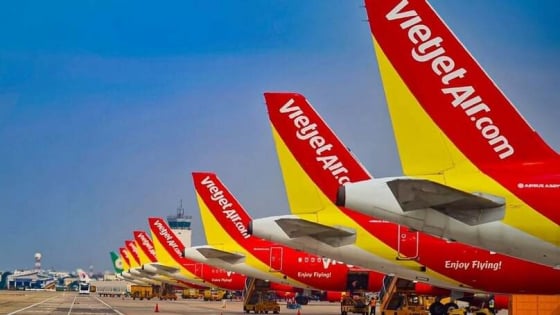
Vietjet, Vietnam’s first private airline, has proposed earlier and broader participation in Vietnam’s airport planning and infrastructure development. This move aims to expand Vietjet’s role beyond flight operations into ground services and logistics. The proposal was presented at a meeting chaired by Minister of Construction Tran Hong Minh, convened to review conclusions by the Government’s Standing Committee on Vietjet’s recommendations. The article provides insights into Vietjet’s strategic expansion and its potential impact on Vietnam’s airport infrastructure and travel industry.
Key Points:
- Vietjet has proposed earlier and broader participation in Vietnam’s airport planning and infrastructure development.
- The proposal was presented at a meeting chaired by Minister of Construction Tran Hong Minh.
- The meeting aimed to review conclusions by the Government’s Standing Committee on Vietjet’s recommendations.
- Vietjet’s proposal seeks to expand its role into ground services and logistics.
Actionable Takeaways:
-
Strategic Expansion into Infrastructure: Vietjet’s proposal to participate more deeply in airport planning and infrastructure development could lead to significant advancements in Vietnam’s airport facilities. This move could enhance operational efficiency and passenger experience, setting a precedent for other airlines to consider similar strategic partnerships in infrastructure development.
-
Potential for Enhanced Ground Services: By taking a more active role in ground services and logistics, Vietjet could improve airport operations, reduce delays, and enhance passenger convenience. This could serve as a model for other airlines looking to diversify their service offerings beyond traditional flight operations.
-
Influence on Travel Tech and Logistics: Vietjet’s strategic shift could drive innovation in travel technology and logistics within the Vietnamese market. This could spur competition and encourage the development of new solutions aimed at optimizing airport operations and passenger experiences, benefiting the broader travel industry.
Contextual Insights:
Vietjet’s proposal aligns with broader trends in the travel industry towards strategic partnerships and expanded roles beyond core flight operations. As airlines seek to diversify revenue streams and enhance operational efficiencies, collaborations with government entities and other stakeholders are becoming increasingly common. This move by Vietjet reflects a growing trend where airlines are leveraging their resources and market positions to influence broader infrastructure and service developments in the travel sector. Furthermore, the emphasis on infrastructure development underscores the importance of airports as critical nodes in the global travel ecosystem, highlighting the need for continuous investment and innovation in this space. For travel startups and fintech companies, Vietjet’s strategic shift presents opportunities for collaboration, particularly in areas such as airport technology, logistics management, and passenger experience enhancement. By aligning with leading airlines like Vietjet, these companies can tap into a growing market of infrastructure development and service enhancement, potentially accelerating the adoption of new technologies and business models in the travel industry.
Read the Complete Article.






