












Comprehensive Summarization:
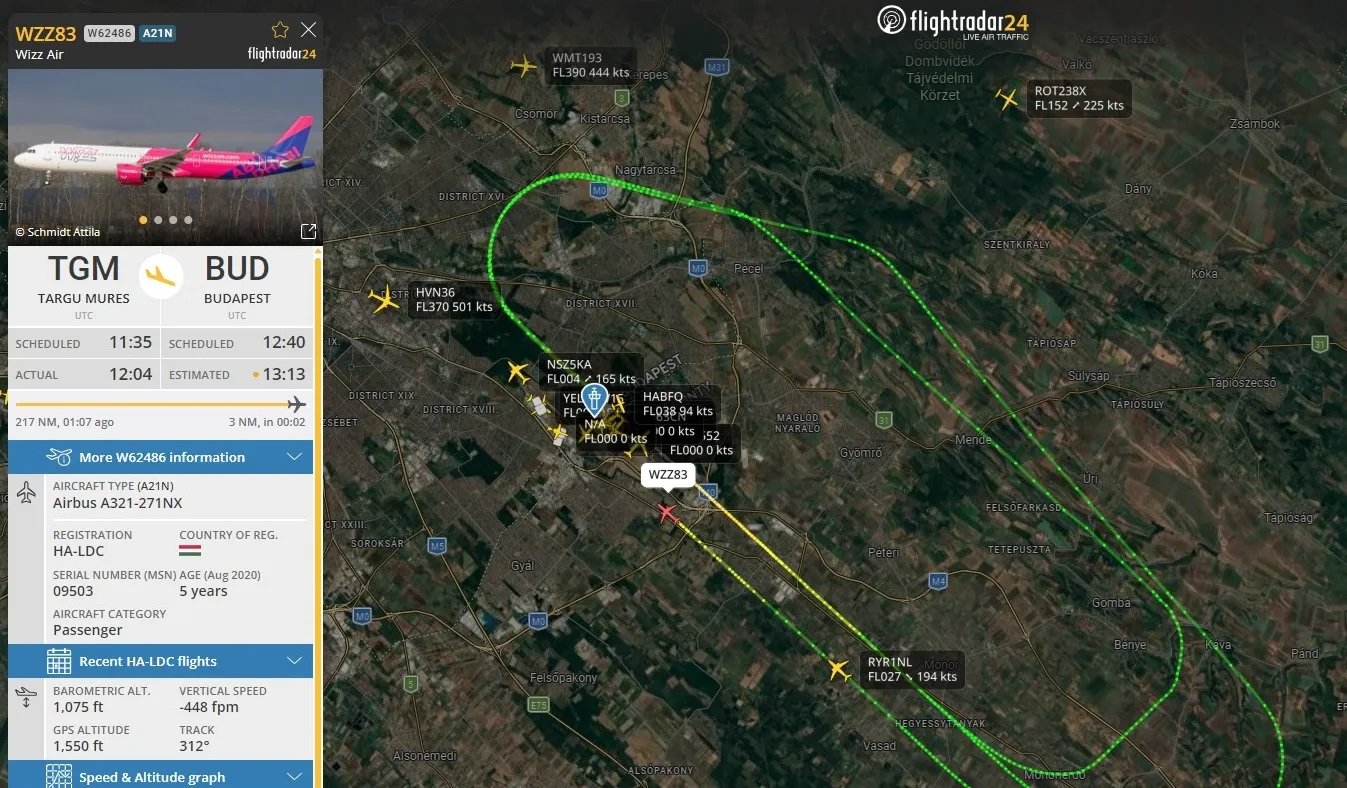
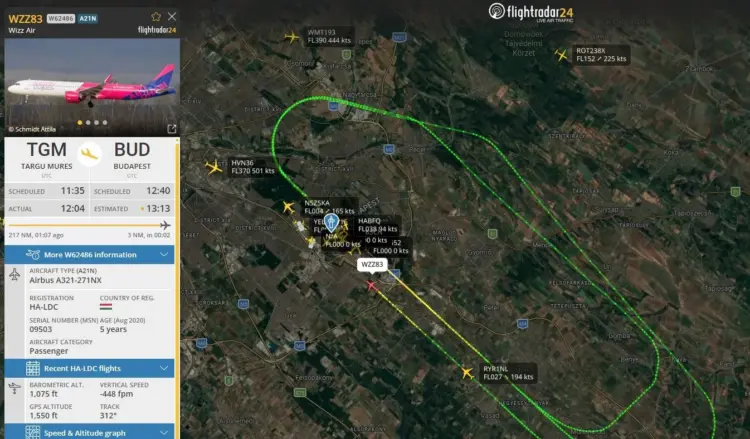
The article reports on a Wizz Air flight from Târgu Mureș to Budapest that experienced significant turbulence, leading to the aircraft aborting its landing twice before successfully touching down on the third attempt. Passengers on the flight reported experiencing panic, nausea, and vomiting due to the chaotic landing. The incident, which occurred on April 30, has been reported by Hungarian sources, highlighting the challenges and safety concerns in air travel, particularly in turbulent conditions.
Key Points:
- A Wizz Air flight from Târgu Mureș to Budapest encountered multiple aborted landings due to turbulence, resulting in a chaotic landing on the third attempt.
- Passengers on the flight reported experiencing physical discomfort, including panic, nausea, and vomiting, due to the abrupt landing.
- The incident underscores the challenges of air travel in turbulent conditions and raises safety concerns for passengers and aviation authorities.
Actionable Takeaways:
-
Enhanced Turbulence Monitoring Systems: Implement advanced turbulence detection and prediction systems to alert pilots and passengers in real-time, potentially reducing the incidence of aborted landings. This aligns with the growing trend of integrating AI and machine learning in aviation to enhance safety and passenger comfort.
-
Improved Passenger Briefings: Develop comprehensive pre-flight briefings that educate passengers on handling turbulence, including safety procedures and what to expect during turbulent flights. This proactive approach can mitigate passenger discomfort and anxiety, enhancing overall travel experience and safety.
-
Investment in Aircraft Safety Upgrades: Encourage airlines to invest in aircraft upgrades that improve cabin stability and passenger comfort during turbulent flights. This could include better seat designs, enhanced air filtration systems, and improved noise reduction technologies, reflecting the industry’s ongoing focus on innovation in travel tech.
Contextual Insights:
The incident with the Wizz Air flight highlights the ongoing challenges faced by the aviation industry in managing turbulence, a common yet unpredictable phenomenon that can significantly impact passenger safety and comfort. Recent trends in travel tech, such as the integration of AI for real-time data analysis and predictive analytics, are crucial in addressing these challenges. Thought leaders in the industry emphasize the importance of leveraging technology to enhance safety protocols and improve the passenger experience. The focus on turbulence management is indicative of a broader industry trend towards enhancing safety standards and passenger satisfaction, particularly as air travel remains a primary mode of global transportation. The insights from this article underscore the need for continuous innovation in aviation safety and passenger comfort, aligning with the evolving expectations of modern travelers.
Read the Complete Article.



