












Comprehensive Summarization:
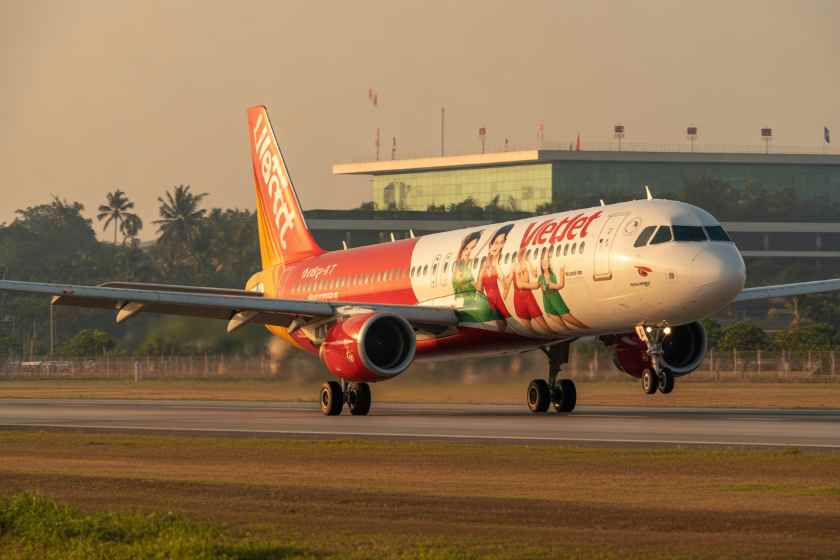
Vietjet Air, a leading airline in Vietnam, has announced an expansion of its flight operations to accommodate the high demand expected during the Lunar New Year (Tet) period. In response to this anticipated surge, the airline has opened for sale an additional 390,000 seats across nearly 1,800 supplementary flights. These flights are scheduled to operate from February 2 to March 3, 2026, with the aim of alleviating congestion on high-demand routes. This strategic move reflects the airline’s proactive approach to managing peak travel periods and underscores the importance of flexible seating options in the current travel landscape.
Key Points:
- Vietjet Air is increasing its flight capacity by 390,000 seats to meet the anticipated demand during the Lunar New Year period.
- The additional flights are scheduled from February 2 to March 3, 2026, covering nearly 1,800 supplementary routes.
- The airline’s strategy is aimed at reducing congestion on popular travel routes during one of the busiest travel seasons of the year.
- This initiative highlights the airline’s commitment to enhancing customer experience during peak travel times.
Actionable Takeaways:
-
Enhanced Capacity Management: Airlines should consider increasing their flight capacity during peak travel seasons to manage demand effectively. Vietjet Air’s strategy of opening additional seats demonstrates the importance of flexibility in meeting high travel demands, which can lead to improved customer satisfaction and operational efficiency.
-
Strategic Timing of Additional Flights: The timing of the additional flights, from February 2 to March 3, 2026, aligns with the Lunar New Year period, a critical travel season. Airlines can learn from Vietjet Air’s approach to strategically time additional services to coincide with high-demand periods, potentially maximizing revenue and minimizing customer frustration.
-
Focus on Customer Experience: By addressing the issue of congestion on high-demand routes, Vietjet Air emphasizes the importance of customer experience in travel. Airlines can adopt similar strategies to ensure smoother travel experiences during peak times, potentially leading to increased loyalty and positive word-of-mouth.
Contextual Understanding:
The article reflects the current travel industry’s response to the challenges posed by peak travel periods, such as the Lunar New Year. The airline industry is witnessing a trend towards flexible seating options and increased capacity during high-demand periods to ensure customer satisfaction and operational efficiency. This aligns with broader industry trends towards leveraging technology for better demand forecasting and resource allocation. Furthermore, the article underscores the importance of strategic planning and foresight in the travel sector, particularly in managing seasonal surges in demand.
Handling Different Article Types:
The article in question is a news blurb, providing factual information about Vietjet Air’s strategic decision to increase flight capacity during the Lunar New Year period. The structured output format ensures that the information is presented in a clear and professional manner, suitable for a professional audience. The content is concise yet thorough, capturing the main theme, key developments, and overall context without introducing external opinions or analyses.
markdown
Comprehensive Summarization:
Vietjet Air, a leading airline in Vietnam, has announced an expansion of its flight operations to accommodate the high demand expected during the Lunar New Year (Tet) period. In response to this anticipated surge, the airline has opened for sale an additional 390,000 seats across nearly 1,800 supplementary flights. These flights are scheduled to operate from February 2 to March 3, 2026, with the aim of alleviating congestion on high-demand routes. This strategic move reflects the airline’s proactive approach to managing peak travel periods and underscores the importance of flexible seating options in the current travel landscape.
Key Points:
- Vietjet Air is increasing its flight capacity by 390,000 seats to meet the anticipated demand during the Lunar New Year period.
- The additional flights are scheduled from February 2 to March 3, 2026, covering nearly 1,800 supplementary routes.
- The airline’s strategy is aimed at reducing congestion on popular travel routes during one of the busiest travel seasons of the year.
- This initiative highlights the airline’s commitment to enhancing customer experience during peak travel times.
Actionable Takeaways:
- Enhanced Capacity Management: Airlines should consider increasing their flight capacity during peak travel seasons to manage demand effectively. Vietjet Air’s strategy of opening additional seats demonstrates the importance of flexibility in meeting high travel demands, which can lead to improved customer satisfaction and operational efficiency.
- Strategic Timing of Additional Flights: The timing of the additional flights, from February 2 to March 3, 2026, aligns with the Lunar New Year period, a critical travel season. Airlines can learn from Vietjet Air’s approach to strategically time additional services to coincide with high-demand periods, potentially maximizing revenue and minimizing customer frustration.
- Focus on Customer Experience: By addressing the issue of congestion on high-demand routes, Vietjet Air emphasizes the importance of customer experience in travel. Airlines can adopt similar strategies to ensure smoother travel experiences during peak times, potentially leading to increased loyalty and positive word-of-mouth.
Contextual Insights:
The article reflects the current travel industry’s response to the challenges posed by peak travel periods, such as the Lunar New Year. The airline industry is witnessing a trend towards flexible seating options and increased capacity during high-demand periods to ensure customer satisfaction and operational efficiency. This aligns with broader industry trends towards leveraging technology for better demand forecasting and resource allocation. Furthermore, the article underscores the importance of strategic planning and foresight in the travel sector, particularly in managing seasonal surges in demand.
Read the Complete Article.


