












Article Summary:
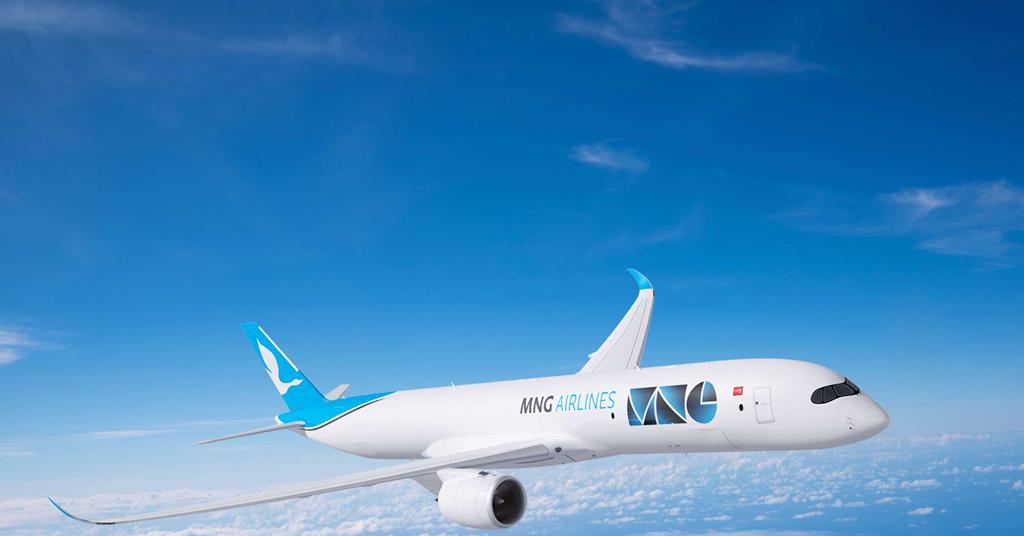
Vietjet and Turkish operator MNG Airlines Cargo have placed firm orders for 100 Airbus A321neos and two Airbus A350 freighters respectively, as reported in October. These agreements are significant additions to Airbus’s updated backlog for the month, which also includes Korean Air’s conversion of its A350-1000 commitment into an order for seven A350 freighters, bringing the total firm orders for the freighter to 74. The article highlights the ongoing growth in freighter orders and the strategic importance of Airbus’s A350 freighter in the aviation industry.
Key Points:
- Vietjet and MNG Airlines Cargo have signed firm orders for 100 A321neos and two A350 freighters, respectively.
- The updated Airbus backlog for October shows Korean Air’s conversion of its A350-1000 commitment into an order for seven A350 freighters, increasing the total firm orders for the freighter to 74.
- The A350 freighter is highlighted as a significant development in the aviation industry, with its order count rising due to these recent agreements.
Actionable Takeaways:
- Increased Freight Capacity: The addition of 100 A321neos and 2 A350 freighters by Vietjet and MNG Airlines Cargo indicates a growing demand for freight capacity in the aviation industry. Airlines are increasingly recognizing the importance of efficient freighter fleets to support their cargo operations, which can lead to improved logistics and supply chain management for businesses.
- Strategic Shift in Freighters: Korean Air’s conversion of its A350-1000 commitment into an order for seven A350 freighters demonstrates a strategic shift towards investing in modern, fuel-efficient freighters. This trend suggests that other airlines may follow suit, potentially driving further innovation and investment in the freighter market.
- Market Growth: The rising number of firm orders for the A350 freighter, reaching 74, underscores the expanding market for freighter aircraft. This growth presents opportunities for Airbus and other manufacturers to capitalize on the increasing demand, potentially leading to advancements in freighter technology and design.
Contextual Insights:
The recent orders for Airbus A321neos and A350 freighters reflect broader trends in the aviation industry, where there is a growing emphasis on efficiency, capacity, and sustainability. The shift towards modern freighters like the A350 highlights the industry’s focus on reducing environmental impact while enhancing operational efficiency. This aligns with the broader travel industry’s push towards sustainability and the adoption of advanced technologies to improve service delivery. Furthermore, the increasing orders for freighters suggest that the global economy continues to recover and expand, driving the need for robust logistics and cargo services. As travel startups and fintech companies continue to innovate, they can leverage these industry trends to develop solutions that enhance freight management, optimize routes, and improve overall supply chain efficiency.
Read the Complete Article.


