












Comprehensive Summarization:
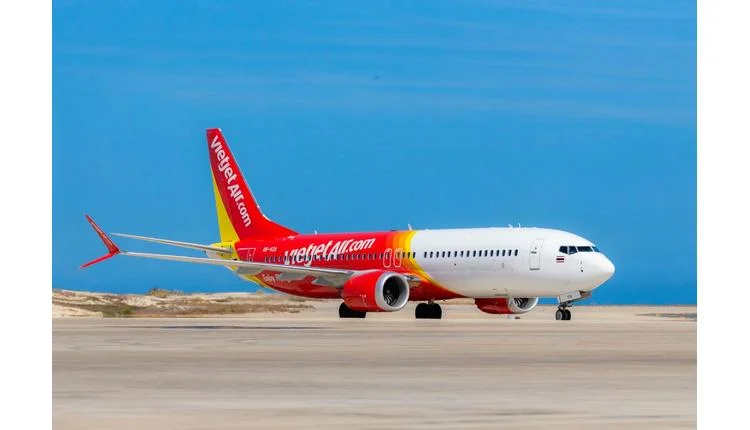
Vietjet Thailand has introduced its first international service using the Boeing 737-8, marking a significant shift in its fleet expansion strategy. Traditionally operating with Airbus aircraft, Vietjet Thailand is diversifying its fleet to enhance modernity and sustainability. The airline has launched a new Bangkok to Nha Trang route, operating seven round-trip flights weekly. This move aligns with the airline’s broader strategy to modernize its fleet and improve sustainability, signaling a broader trend in the travel industry towards fleet diversification and sustainability-focused expansion.
Key Points:
- Vietjet Thailand has inaugurated its first international service using the Boeing 737-8, expanding its fleet beyond traditional Airbus aircraft.
- The new Bangkok to Nha Trang route will operate seven round-trip flights weekly, enhancing connectivity between Thailand and Vietnam.
- This fleet diversification aligns with Vietjet Thailand’s strategy to enhance fleet modernity and sustainability, reflecting broader industry trends.
Actionable Takeaways:
-
Fleet Diversification as a Strategic Move: Vietjet Thailand’s adoption of Boeing aircraft for international routes demonstrates a strategic shift towards fleet diversification. This move is likely to enhance operational efficiency and service offerings, potentially attracting more passengers and airlines looking to modernize their fleets. Relevance: As airlines seek to balance cost efficiency with service quality, fleet diversification can be a key competitive strategy, especially in the context of regional connectivity and sustainability goals.
-
Expansion of Bangkok to Nha Trang Route: The introduction of a new Bangkok to Nha Trang route with seven weekly round-trip flights highlights the growing importance of Southeast Asian connectivity. This route expansion could lead to increased tourism and trade between Thailand and Vietnam, benefiting local economies. Relevance: As travel demand continues to rise, airlines that expand their networks strategically can capture market share and drive growth. This takeaway underscores the importance of route optimization and demand-driven expansion in the travel industry.
Contextual Insights:
Vietjet Thailand’s fleet expansion strategy, marked by the introduction of Boeing aircraft on its international routes, reflects a broader industry trend towards modernization and sustainability. The airline’s decision aligns with global efforts to reduce carbon emissions in the aviation sector, as airlines increasingly adopt more fuel-efficient models. This move is particularly significant in the context of Southeast Asia, where travel demand is rapidly growing, driven by tourism and economic development. The airline’s strategy also positions it favorably in the competitive landscape of regional air travel, where sustainability and service quality are becoming key differentiators. As the travel industry continues to evolve, airlines that prioritize modernization and sustainability are likely to gain a competitive edge, attracting both passengers and investors focused on long-term value creation.
Read the Complete Article.


