












Comprehensive Summarization:
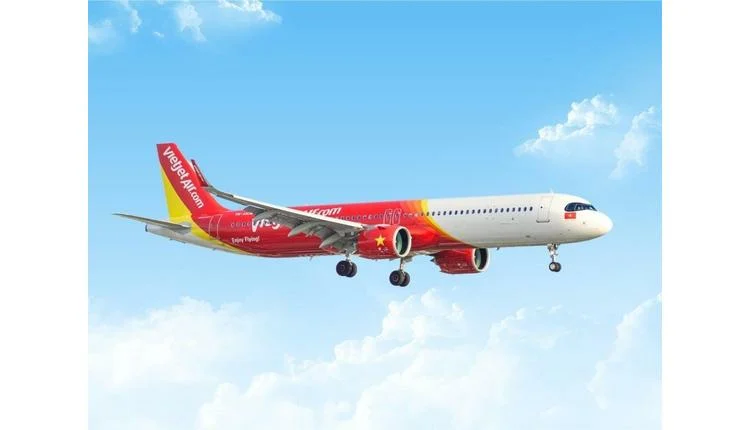
Vietjet has been recognized as the most emissions-efficient airline for flights within Southeast Asia by Cirium’s 2025 Flight Emissions Review. The airline achieved the lowest carbon dioxide emissions per Available Seat Kilometre (CO₂/ASK) at 64.5 grams, outperforming competitors such as Singapore Airlines and Lion Air. This accolade underscores Vietjet’s operational efficiency, particularly in aircraft configuration, network planning, and load management. The airline’s young fleet and strategic operational practices are key contributors to its success in this area.
Key Points:
- Vietjet has been identified as the most emissions-efficient airline in Southeast Asia according to Cirium’s 2025 Flight Emissions Review.
- The airline achieved the lowest CO₂/ASK ratio of 64.5 grams, surpassing competitors like Singapore Airlines and Lion Air.
- Vietjet’s operational efficiency is attributed to its aircraft configuration, network planning, and load management strategies.
- The airline’s young fleet is a significant factor contributing to its high efficiency.
Actionable Takeaways:
- Emphasis on Operational Efficiency: Airlines aiming to reduce their carbon footprint should focus on optimizing aircraft configuration, improving network planning, and enhancing load management. Vietjet’s success demonstrates that operational efficiency can significantly reduce emissions per seat kilometre.
- Importance of Fleet Age: The age of an airline’s fleet plays a crucial role in its emissions efficiency. Airlines should consider modernizing their fleets to incorporate more fuel-efficient aircraft, as Vietjet’s young fleet has contributed to its high efficiency ratings.
- Strategic Network Planning: Effective network planning can lead to more efficient routes and load management, directly impacting an airline’s carbon emissions. Airlines should invest in strategic planning to optimize their operations and reduce environmental impact.
Contextual Insights:
The recognition of Vietjet as the most emissions-efficient airline in Southeast Asia highlights a growing trend in the travel industry towards sustainability and environmental responsibility. As global awareness of climate change increases, airlines are under increasing pressure to reduce their carbon footprints. Vietjet’s success in this area sets a benchmark for other airlines in the region and beyond. This trend is likely to influence future travel policies and consumer preferences, with more emphasis on eco-friendly travel options. Furthermore, the focus on operational efficiency and fleet management is indicative of broader industry shifts towards technological innovation and sustainability, areas where startups and fintech solutions are increasingly playing a pivotal role.
Read the Complete Article.


