












Comprehensive Summarization:
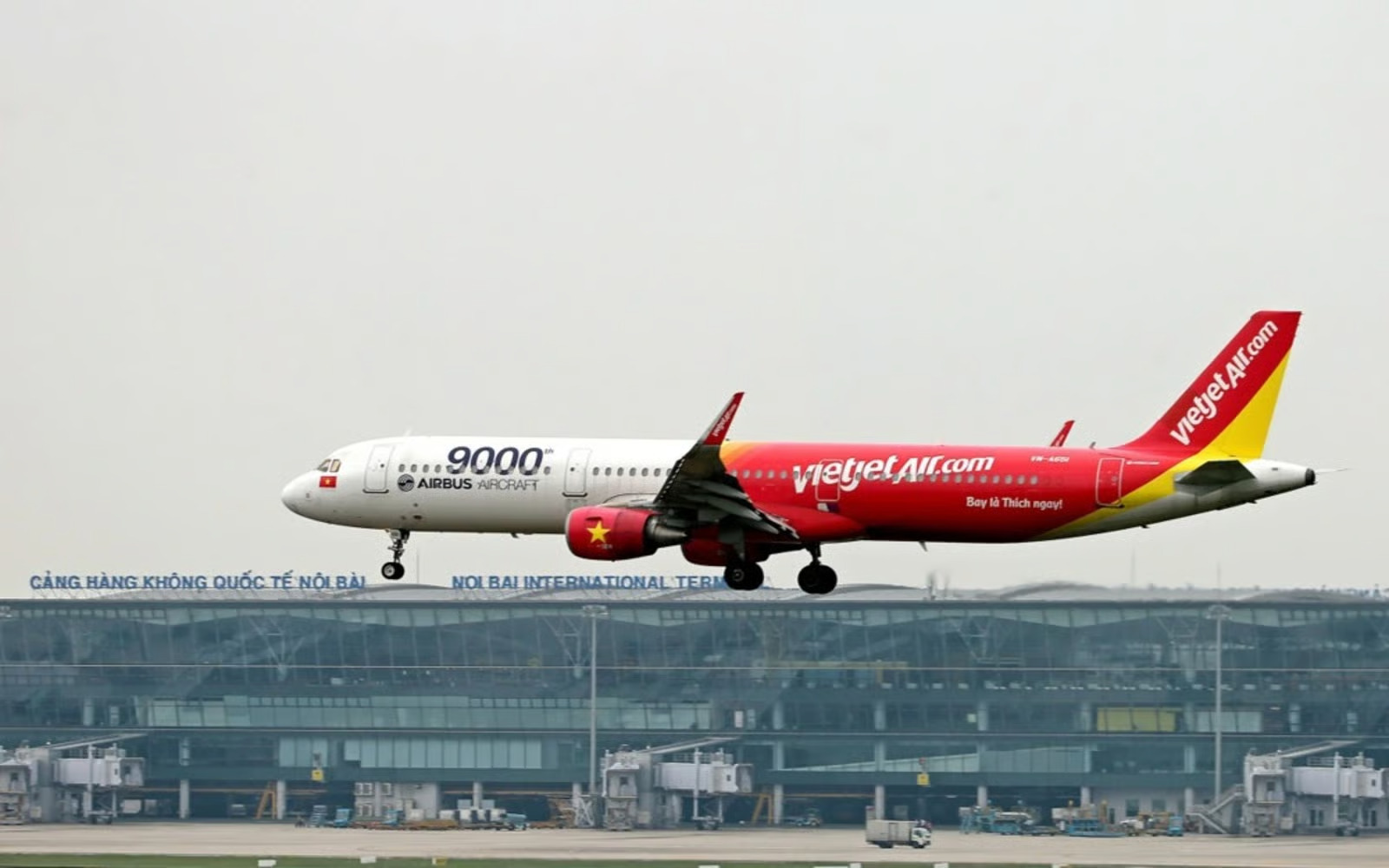
Vietnam Airlines and Vietjet Air have entered into significant aerospace agreements with US companies, totaling US$14.4 billion. This includes US$8.1 billion in aircraft orders from Boeing. Vietnam Airlines has ordered approximately 50 Boeing 737-8 aircraft and is in discussions to potentially purchase around 30 more wide-body jets in the future. This strategic move aligns with the airline’s goal of becoming a leading carrier by 2030. Vietjet Air, on the other hand, has signed two agreements amounting to US$6.3 billion. These developments highlight the growing investment in the aviation sector, particularly in aircraft procurement, and underscore the commitment of these airlines to expand their fleets and enhance their market positions.
Key Points:
- Vietnam Airlines and Vietjet Air have signed aerospace agreements worth US$14.4 billion with US companies, including US$8.1 billion in Boeing aircraft orders.
- Vietnam Airlines has ordered about 50 Boeing 737-8 aircraft and is exploring the purchase of around 30 additional wide-body jets.
- Vietjet Air has signed two agreements totaling US$6.3 billion, contributing to its expansion plans.
- The agreements reflect a strategic focus on fleet expansion and support Vietnam Airlines’ goal of becoming a leading airline by 2030.
Actionable Takeaways:
-
Strategic Fleet Expansion: Airlines like Vietnam Airlines and Vietjet Air are aggressively expanding their fleets through significant investments in aircraft orders. This trend indicates a robust demand for new aircraft and suggests that airlines are prioritizing fleet modernization to meet increasing passenger demand and enhance operational efficiency. For stakeholders in the aviation sector, this underscores the importance of aligning with major aircraft manufacturers and securing long-term supply agreements to sustain growth.
-
Focus on Regional Expansion: The substantial investments in aircraft orders by Vietnam Airlines and Vietjet Air highlight a regional trend towards expanding airline capacities in Southeast Asia. This strategic focus on fleet growth can be leveraged by investors and partners to identify opportunities in regional air travel markets. Companies looking to enter or expand in this space should consider partnerships with these airlines to capitalize on the growing demand for air travel in the region.
Contextual Insights:
The article reflects the ongoing global trend of airline companies investing heavily in fleet expansion, particularly in regions with burgeoning air travel demand. The focus on Boeing aircraft orders indicates a reliance on a major global aircraft manufacturer, suggesting confidence in Boeing’s technological advancements and market leadership. This context is crucial for understanding the competitive landscape of the aviation industry, where partnerships with established manufacturers play a pivotal role in strategic planning. Furthermore, the emphasis on achieving a leading position by 2030 suggests a long-term vision for these airlines, driven by the increasing global air travel demand and the need for sustainable growth in the sector. For the travel industry, these developments signal a period of significant transformation, with airlines investing in modern fleets to enhance service quality and expand their market reach. This trend is likely to influence future travel patterns, with passengers increasingly favoring airlines with modern, efficient fleets.
Read the Complete Article.


